Singapore Haze 2026: Latest PSI Levels, Health Risks, And Essential Home Protection Strategies
13 Sept 2026
Singapore’s 2026 Haze Challenge: Adapting to an Era of Elevated Environmental Risk
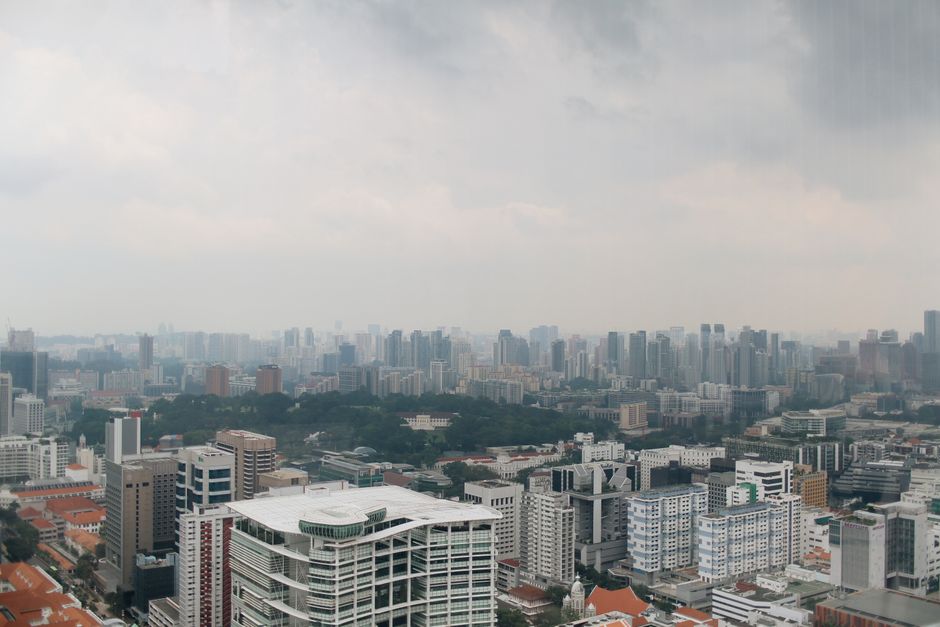
As another September dawned, Singaporeans awoke not only to the familiar rhythm of daily life but to a dense, acrid haze drifting across the city-state. The news became official on 4 September 2026: the 24-hour PSI in central Singapore breached the “Unhealthy” range for the first time in nearly three years-a stark reminder that the haze crisis, deeply rooted in regional ecological dynamics, continues to escalate in complexity and unpredictability. With historical patterns growing less reliable in the face of shifting climate and market pressures, Singapore’s response reveals both the ingenuity and limitations of living on the front lines of Southeast Asia’s recurring haze season.
Understanding the Haze: A Persistent Regional Threat
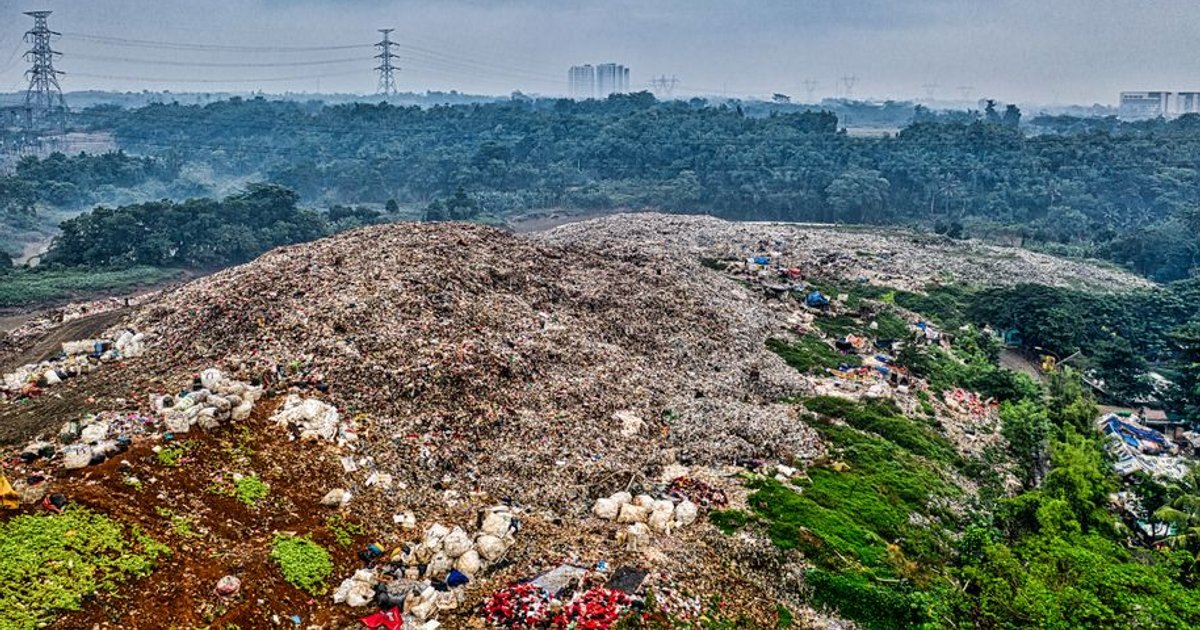
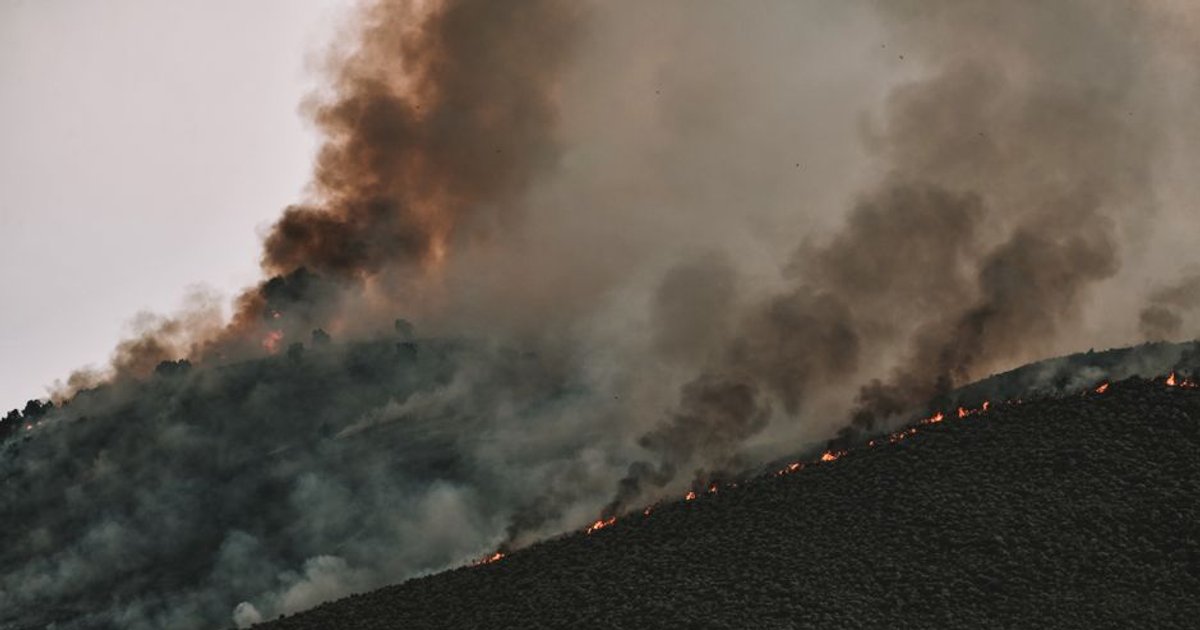
The Science and Sources: Haze episodes in Singapore are largely caused by transboundary smoke plumes originating from forest and peatland fires in southern and central Sumatra and Kalimantan, Indonesia. Each dry season, prevailing winds can carry fine particulates-PM2.5 and PM10-hundreds of kilometers, blanketing Singapore in a reddish-brown shroud. According to the National Environment Agency (NEA), the vulnerability in 2026 has been “elevated but variable,” driven by persistent dry conditions and the ongoing risk of further fires (Straits Times).
2026: A Timeline of Escalation: On 4 and 5 September, the central region’s 24-hour PSI readings decisively crossed the critical threshold of 100. This marked the first such event since the October 2023 episode, prompting the NEA to launch targeted daily advisories and prompt health guidance for vulnerable populations. Although thunderstorms and changing wind patterns brought temporary relief, by 12 September the risk remained: NEA warned that unless regional fires abate, haze could return at short notice.
The Human Impact: From Routine Inconveniences to Health Emergencies
Vulnerable Groups at the Forefront: The populations most affected are often the least visible-children, the elderly, and those with chronic respiratory or cardiac conditions. Medical professionals reported a surge in haze-linked respiratory symptoms, mirroring similar spikes in hospital admissions during previous haze events (Channel NewsAsia). For these communities, decisions about daily routines-such as whether to leave home-become fraught with uncertainty as the haze dynamic shifts hour by hour.
Everyday Disruptions, Lasting Effects: Even for the healthy, haze means more than discomfort: it translates to canceled outdoor activities, reduced urban mobility, and impacts on labor-intensive sectors. Businesses face employee absenteeism, and schools must toggle between open and contingency operations with little notice.
Singapore’s Tactical Response: Innovation Rooted in Realism
Household-Level Defenses: The NEA and health authorities have honed a practical toolkit for Singapore’s households to reduce their personal exposure. Key actions include closing windows and doors, deploying HEPA-standard air purifiers, using wet-mopping to trap particulates, and shutting outdoor-air inlets on air-conditioners. For the first time, advisories emphasized that “visual haze is not a reliable indicator”-the public was urged to track real-time PM2.5 and 24-hour PSI updates via the NEA’s online platforms and mobile apps.
Institutional Adaptation: On a systemic level, Singapore’s government has expanded cross-agency coordination-activating nationwide alerts, adjusting school and work schedules, and supporting at-risk populations with distribution of masks and air purifiers. These measures are underpinned by a constantly evolving science-policy interface, where satellite data, ground sensors, and predictive modeling are synthesized to forecast next-day conditions with increasing accuracy (Haze.gov.sg).
Comparative Insights: A New Haze Reality for Newcomers and Lifelong Residents
Seasoned Residents’ Perspective: Those who witnessed the infamous 2013 and 2015 crises recall days when the PSI soared above 300, visibility fell below 200 meters, and N95 masks became a citywide fashion statement. For these citizens, 2026’s “Unhealthy” reading is concerning but, as yet, not unprecedented-a reminder of the cyclical nature of the challenge.
Newcomers’ Adjustment: In contrast, new arrivals-especially expatriates from regions unaccustomed to severe air pollution-may find the invisible threat of PM2.5 particularly alarming. Without the lived experience of previous haze events, reliance on visual cues can be dangerously misleading. The government’s push to “trust the data, not your eyes” is therefore a crucial adaptation for this newer, data-driven segment of the population.
Market and Policy Trends: Adapting to Volatility
Environmental Risk Becomes a Strategic Variable: For businesses, haze is no longer a rare, freak occurrence but a recurring operational risk-affecting everything from logistics to customer footfall. Retailers have accelerated their deployment of in-store air purifiers, F&B outlets reconfigure dining spaces to shield patrons, and developers increasingly market high-end residences with advanced indoor air quality systems as a core amenity.
Regional Diplomacy and Technological Leverage: Singapore’s government continues to invest in cooperative agreements with Indonesia and Malaysia-sharing real-time satellite and fire data and engaging in joint firefighting initiatives. However, as Southeast Asia’s climate grows more volatile, there is recognition that diplomatic solutions must now be paired with resilience-focused domestic investments in infrastructure and public health.
Household Playbook: Practical Mitigation for a New Normal
Close Off Entry Points: Households are reminded to close windows and doors as soon as advisories project rising haze levels.
Deploy Efficient Air Purification: Use only HEPA-grade or equivalently certified air purifiers in sleeping and living areas.
Intelligent Use of Air-Conditioning: If air-conditioning units have outdoor intake controls, switch these off to prevent fresh particulates from entering.
Wet Cleaning Is Superior: Mopping and wiping surfaces with damp cloths helps physically remove fine dust invisible to the naked eye.
Monitor, Don’t Guess: The one-hour PM2.5 and 24-hour PSI forecasts-available on the myENV app-should inform decisions about outdoor activity, especially for vulnerable groups.
Avoid Strenuous Activity: When PSI exceeds 100, avoid outdoor exertion-especially for children, seniors, and those with pre-existing conditions.
Looking Forward: Patterns, Risks, and Resilience
Emerging Patterns: Haze as a Yearly Wildcard: Informed by the 2026 experience, experts warn that haze risk will remain “elevated but variable” for years to come. The correlation between El Niño events, drier-than-usual monsoons, and the scale of fire outbreaks suggests that Singapore’s haze seasons will track broader climate instability. The unpredictability means households and business continuity planners must treat haze not as an anomaly but as a seasonal certainty.
Innovative Solutions Ahead: From affordable home air quality tech to “intelligent” urban planning (such as haze-resistant plantings and responsive building ventilation), the next wave of policy and market responses is already underway. Singapore’s role as a regional testbed for environmental resilience gives it an outsized influence in shaping how Southeast Asia adapts to urgent environmental realities.
"Singapore’s haze challenge is not going away. But our response-rooted in science, real-time information, and collective action-can turn vulnerability into preparedness, and crisis into opportunity for resilience."
Conclusion: Strategic Imperatives for a Haze-Resilient Singapore
The 2026 haze episode confirms a hard truth: environmental volatility is now woven into Singapore’s national fabric, disrupting routines and redefining risk across households, businesses, and government. The solution lies not merely in technical fixes or diplomatic outreach, but in a strategic mindset-one that elevates resilience, data-driven action, and cross-sectoral cooperation to the level of civic habit. Looking forward, Singapore’s experience must serve as a model for the world: how nimble, evidence-based responses, underpinned by shared responsibility, can adapt societies to the accelerating pace of environmental change.
Ultimately, the strategic importance of haze preparedness will only grow as climate and market forces converge to make air quality a fundamental determinant of public health and economic sustainability. In seizing this challenge, Singapore has a rare-and urgent-opportunity to lead, innovate, and inspire.
Related guides
- Singapore Haze In October 2026: Unhealthy Air Quality, Business Risks And Household Safety Amid Smoke From Indonesia
- Does Aircon Protect You From Haze In Singapore? Practical Home Guide For Cleaner Indoor Air
- Very Unhealthy Air Quality In Western Singapore: Essential Household Guide For Families And Domestic Helper Employers During Haze
How GoodHelp can help
- Find the right helper: Answer a few questions and we'll shortlist helpers who suit your home.
- Helper price check: See what a helper costs each month: salary, levy, insurance and agency fees.
- Good local businesses: Home services and shops in your neighbourhood that locals recommend, with member deals.
- Become a Trusted Reviewer: Try local services, write honest reviews and get paid by PayNow.