Complete Household Protection Guide For Families Hiring Domestic Helpers In Singapore Medical Insurance Cybersecurity And Property Safety
13 Nov 2026
Smart Household Protection: Insurance, Cybersecurity, and Safeguards for Singapore Families with Helpers
For Singapore families searching to find maid in Singapore, or those employing a domestic helper Singapore, household protection now means more than just ticking off regulatory boxes. With helpers integrated deeply into family lives, from infant care to elder support, the stakes in safety, insurance, digital privacy, and property management have risen sharply. Today’s decision-makers want actionable advice, not just a list of available helpers; they need practical guidance for maid insurance Singapore, household safety, and ways to save money on household expenses Singapore without sacrificing peace of mind. This forward-thinking article lays out current trends, strategies, and recommendations for navigating helper fit, insurance, digital exposure, property risks, and regulatory compliance in Singapore households.
Key Trends and Strategies
Mandatory Insurance Is Only the Beginning
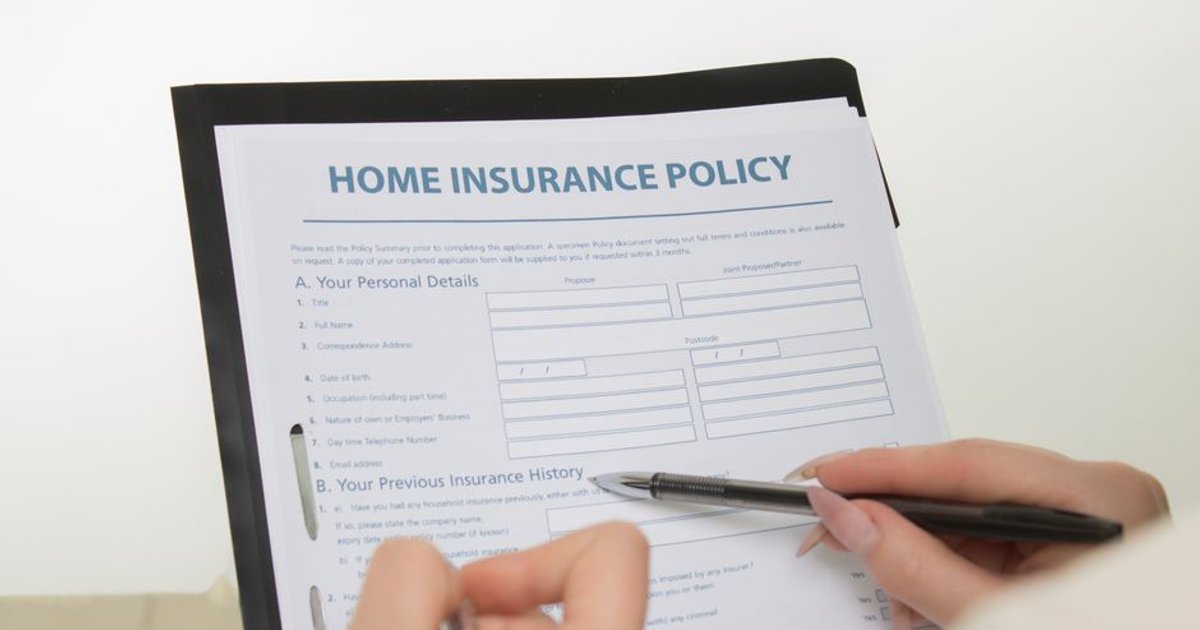
Recent Ministry of Manpower (MOM) changes require employers to buy both medical and personal accident insurance for helpers, with coverage thresholds set at S$60,000 per year each for inpatient treatment and accidental disability or death (MOM insurance requirements). Many households mistakenly believe that meeting this minimum is enough. Yet, large claims above S$15,000 now trigger a co-payment structure, where employers bear 25 percent of costs above this threshold (Enhanced MI requirements). This means a hospital bill can still result in substantial out-of-pocket expenses even with compliant maid insurance Singapore.
Gaps in Commercial Insurance: Price vs Protection
Comparing premiums, S$507 to S$600 for 26 months, reveals significant differences in coverage for accidental medical expenses, outpatient treatment, wages, repatriation, personal liability, and property damage (AsiaOne maid-insurance comparison). Some policies provide only S$1,000 accidental medical cover, while others offer much higher. When evaluating household insurance Singapore, families must look past premiums and read the fine print for sub-limits, exclusions, and claim procedures.
Cybersecurity Risks Are Now Mainstream
Helpers increasingly use household Wi-Fi, devices, and apps, sometimes accessing smart locks or cameras. Informal access, shared passwords, and unmanaged devices can expose the family to social engineering, identity theft, and fraud. Home insurance rarely covers these losses. Creating guest Wi-Fi networks, separate device profiles, and a verification protocol for payments and requests are now essential controls for Singapore homes (DBS protection guide).
Role-Specific Safety Is Crucial
The duties and risks of a helper vary dramatically: infant care demands training in safe sleep and emergency response, while elder support requires fall-proofing and medication logs. Assigning mixed duties without clear boundaries leads to unsupervised shortcuts, accidents, and disputes. Insurance cannot solve mismatches between responsibilities and actual household safeguards.
Join the conversation
See this article on our social channels.
House Type Influences Risk and Opportunity
Challenges and opportunities differ across condominiums, private housing, and HDB/public housing. Condos with digital access and valuables face cyber and property risks, while HDB homes may have unique concerns around space, access, and shared facilities. Tailored physical and insurance safeguards are essential.
State and Recommendations: Practical Guidance for Singapore Households
- Always meet MOM’s regulatory insurance standards, verify coverage for S$60,000 inpatient care and personal accident (see requirements).
- Audit the co-payment risk, clarify when and how much the employer must pay for large claims above S$15,000. Read the insurer’s policy contract.
- Review accidental medical-expense limits, ensure that outpatient, fracture, burn, dental, and follow-up care are adequately covered.
- Consider hospitalisation income and temporary replacement, some policies pay daily benefits or cover the cost of a replacement helper, mitigating disruption in case of accident or illness.
- Check personal liability cover, does it protect against accidental injury to visitors or third-party property?
- Secure home contents and valuables, document, photograph, and lock away cash, jewellery, passports, electronics, and sensitive documents. Confirm your fire insurance Singapore and household policy covers theft by a helper, loss from fire, or accidental damage.
- Implement digital safety, establish guest Wi-Fi, separate device profiles, no sharing of banking or email accounts, and enforce two-step verification for payment requests.
- Design physical safety for the care profile, childproof, elder-proof, and train helpers in appliance, chemical, and emergency response.
- Document clear job scopes, escalation steps, and reporting procedures, prevent accidents and disputes stemming from unclear instructions or supervision gaps.
- Review insurance, physical, and cyber safeguards quarterly, update when household circumstances change, including helper turnover, renovation, or shifts in family needs.
- Recognise that saving money does not mean cutting corners, focus on eliminating unnecessary expenses but never compromise basics like compliance, safety, and suitable insurance.
Comparing the Modern Helper Decision: What Matters Most
| Aspect | Smart Approach | Outdated Approach |
|---|---|---|
| Finding the right helper | Fit for duties, skills, and household culture | Simply finding an available helper |
| Live-in vs Part-time | Role-matched, documented hours | Ad hoc, unclear expectations |
| First-time helper vs Experienced | Training, adaptability, clear supervision | Unquestioned reliance on resume |
| Skills vs Attitude | Balance both, assess for growth | Strictly technical criteria |
| Cultural Fit vs Resume Fit | Values, communication, household harmony | Experience only |
| Infant Care vs Elder Care vs General | Role-specific training, safeguards | General purpose coverage |
| Agency vs Direct Hire | Transparent process, documented support | Fastest/cheapest route only |
| Premium Agency vs Standard Agency | Service, fit, ongoing support | Lowest fees |
| Higher Salary vs Better Overall Fit | Fair pay for sustained value | Minimise costs regardless of impact |
| Short-term Trial vs Long-term Relationship | Structured trials, clear review points | No review, hope for the best |
| Employer Responsibilities vs Helper Expectations | Mutual clarity, documented boundaries | Unilateral rules |
| Comprehensive Insurance vs Cheapest Insurance | Coverage aligned to actual risks | Minimum legal requirements |
| Over-insuring vs Under-insuring | Balance, review as needs change | Ignore gaps or unnecessary add-ons |
| Household Convenience vs Household Cost | Smart controls, targeted spending | Convenience at any cost |
| Saving Money vs Cutting Corners | Prevention, efficiency, risk-based review | Compromise basics, ignore risks |
Segmentation by House Type: Challenges and Opportunities
Condominiums
Condos typically feature digital access systems, higher-value contents, smart-home devices, and private amenities. Key challenges include cyber risk, property theft, and multi-level access. The opportunity is strong: comprehensive insurance, digital safeguards, and clear access controls deliver peace of mind.
Private Housing
Private homes often have more entrances, larger living areas, resident staff quarters, and valuables. Risks include burglary, accidental damage, and unauthorised access. Customising physical security (key registers, restricted access, CCTV) and aligning insurance to property value are vital.
HDB/Public Housing
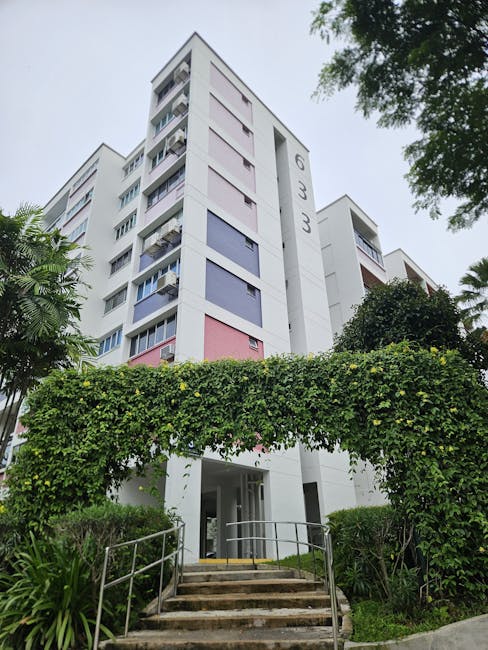
HDB flats face challenges around space, shared facilities, and daily movement. Opportunities include lower overall contents risk, but still require robust training, clear appliance use, and proper insurance. Focus on affordable compliance, safety walk-throughs, and digital boundaries.
Comparison: What Each Segment Should Prioritise
- Condominiums: Invest in cyber controls, contents and fire insurance, strict access logs, and smart device management. Review household insurance Singapore regularly.
- Private Housing: Secure valuables, update physical access control, and ensure comprehensive maid insurance Singapore.
- HDB/Public Housing: Prioritise safety training, digital separation, and practical insurance for injury and property risks.
Quote for Forward-Looking Decision-Makers
“Strategic household protection is not about buying more insurance. It’s about aligning coverage, digital safety, and physical safeguards to the real risks, the actual care needs, and the dynamic life of your family.”
Conclusion: The Next Chapter in Household Protection
For Singapore families deciding how to find helper in Singapore, or seeking practical advice on how to hire a maid in Singapore, the lesson is clear: protection is multi-layered. Regulatory insurance is a baseline, not a ceiling; cyber and property risk must be managed daily; and helpers need training, clarity, and respect as partners, not simply employees. Agencies and employers alike should shift from minimum compliance to strategic fit, using digital tools, insurance reviews, clear procedures, and flexible safeguards to build resilient households.
Looking ahead, expect tighter integration between insurance, digital safety, and property management, with smart agencies and employers updating protection every time the household changes. Those who combine compliance, practical safety, and financial sense will not only save money on household expenses Singapore, but also build lasting trust and operational reliability in their home.
For every family seeking to find maid in Singapore or find helper in Singapore, the strongest protection plan starts with understanding your real risks, matching the helper to your actual needs, and designing safeguards that evolve as your household grows.
Related guides
- Singapore MDW Hiring Guide October 2026: New Standards, Cost Savings, Insurance Tips And Agency Comparison
- The Ultimate Guide To Essential Household And Domestic Helper Insurance In Singapore For 2024
- The Ultimate Guide To Helper Insurance Plans In Singapore: How Households And Businesses Can Choose The Best Coverage And Save
How GoodHelp can help
- Find the right helper: Answer a few questions and we'll shortlist helpers who suit your home.
- Helper price check: See what a helper costs each month: salary, levy, insurance and agency fees.
- Good local businesses: Home services and shops in your neighbourhood that locals recommend, with member deals.
- Become a Trusted Reviewer: Try local services, write honest reviews and get paid by PayNow.