
Does Aircon Protect You From Haze In Singapore? Practical Home Guide For Cleaner Indoor Air
16 Oct 2026
How to Protect Your Singapore Home and Family from Haze: Practical Air Quality, Helper Management, and Smart Spending Strategies
If you live in Singapore, haze is no longer an occasional concern. It is a recurring challenge that affects health, comfort, cleaning routines, and even the way you manage your domestic helper Singapore. Whether you are looking to find maid in Singapore, hire a helper for the first time, or optimize your current household setup, understanding the real impact of haze on indoor air, your family, and your budget is essential. This guide covers everything from choosing the right air-cleaning strategy to aligning helper responsibilities, managing risk with maid insurance Singapore and household insurance Singapore, and making smart, cost-effective choices that safeguard both your loved ones and your home. (see the r/asksg discussion)
Key Trends and Strategies
Air-Conditioning Is Not a Complete Haze Solution
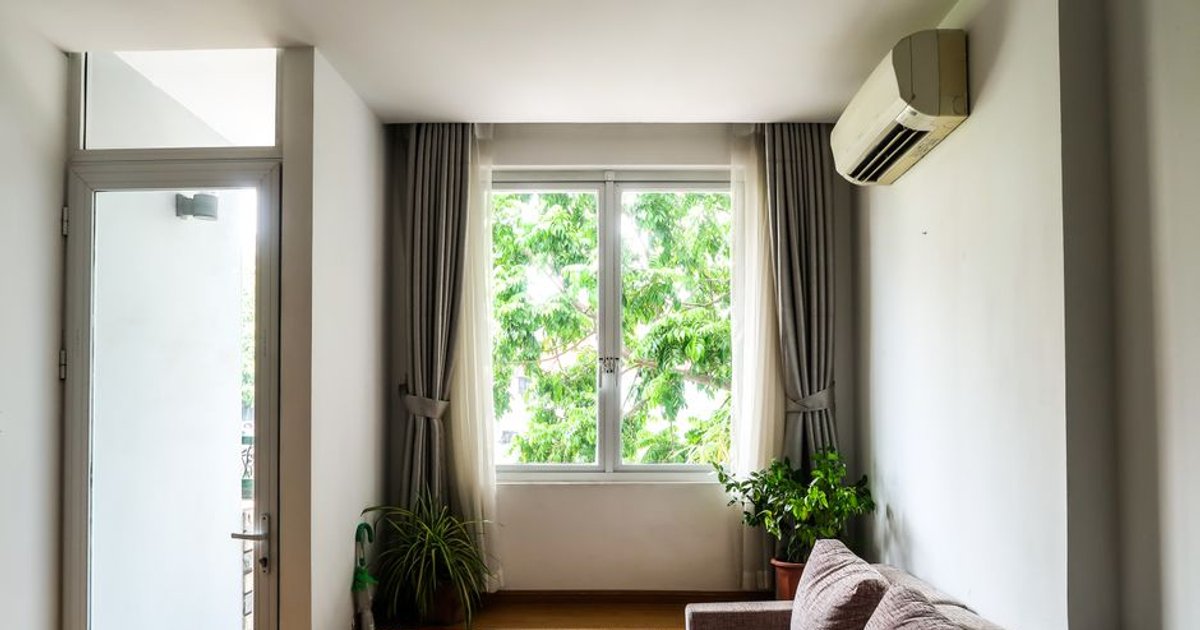
A persistent myth in Singapore is that simply running a regular air-conditioner ensures clean, haze-free indoor air. In reality, most standard split or window units in homes only cool and recirculate the air, with basic filters that trap large dust and lint. Fine particles, especially the dangerous PM2.5 prevalent during haze episodes, pass through these filters easily. Unless your system is upgraded with a well-matched HEPA filter and proper installation, you cannot assume your family or your maid in Singapore is protected from the adverse health effects of haze (NEA Haze Situation Updates).
Layered Protection Is Now the Smart Standard
Professional advice now favors a layered approach: keep windows and doors closed, use air-conditioning to reduce outdoor particle entry, and deploy a dedicated air purifier with HEPA filtration in priority rooms. This is especially important for high-occupancy spaces like bedrooms, living areas, and any rooms used by vulnerable individuals. Cleaning aircon and purifier filters after haze episodes is critical to maintain efficient protection and prevent lingering dust or odors.
More Like This


Helper Duties Must Be Clearly Defined and Matched to Skills
The haze crisis has exposed gaps in household routines, particularly where domestic helper Singapore responsibilities are vaguely assigned. Employers need to provide clear, written instructions on opening windows, operating air purifiers, cleaning filters, and recognizing symptoms of haze exposure in children, elderly, or themselves. Find helper in Singapore is about more than availability; it is about effective communication, training, and matching household needs with helper experience and temperament.
Insurance and Cost Management: Avoid False Savings
Many families try to save money on household expenses Singapore by opting for the cheapest insurance or minimal home equipment. This can backfire if the coverage is not comprehensive, or if air quality equipment fails to protect vulnerable members due to poor fit, inadequate capacity, or skipped maintenance. Reviewing maid insurance Singapore, fire insurance Singapore, and other coverage together is vital; each policy should match actual risk, not just minimum legal requirements.
Adjust Strategies According to Property Type
Practical haze protection, helper management, and equipment choice are shaped by where you live:
- Condominiums: Centralized air conditioning and sealed windows can limit natural ventilation but make room-specific purification practical. Helper routines can be more focused due to less exposure to outdoor corridors.
- Private Housing: Typically larger, possibly with more external doors and windows, rendering it more challenging to fully seal the home. Strategies may need to include multiple purifiers and stricter entry controls.
- HDB/Public Housing: Smaller spaces increase the practicality of a single purifier covering more area, but proximity to corridors and external air may require extra vigilance regarding doors and vents.
See the end of this article for a direct comparison of challenges and opportunities.
State and Recommendations: What Households and Firms Should Do Now
- Prioritize by Room and Vulnerable Occupant: Identify which rooms require the cleanest air, typically bedrooms and living areas. Assign purifiers or sealed spaces appropriately.
- Upgrade Maintenance Routines: Establish clear schedules and responsible persons, helper or employer, for cleaning and replacing aircon and purifier filters.
- Clarify Helper Instructions: Provide your domestic helper Singapore with a written haze protocol, covering outdoor duties, device use, and emergency contacts.
- Check and Update Insurance Regularly: Do not rely on old policies; confirm both maid insurance Singapore and household insurance Singapore meet current needs and MOM requirements (MOM website).
- Smart Equipment Purchases: Avoid multiple small, underpowered purifiers. Invest in devices suitable for your main spending or sleeping area. Consider total cost of ownership, including replacement filters.
- Use Official Data to Guide Decisions: Monitor NEA's latest PSI and PM2.5 updates and adjust activities accordingly. Do not rely solely on visual cues or unofficial sources.
- Adjust Helper Duties During Haze: Reduce or postpone outdoor tasks, provide N95 masks for necessary errands, and educate on haze symptoms and reporting procedures (N95 mask advisory).
- Balance Budget and Risk: If funds are limited, focus on essential rooms before expanding haze protection to the entire home.
Comparison Table: Making Savvy Household and Hiring Choices
| Aspect | Best Practice | Pitfall to Avoid |
|---|---|---|
| Finding the right helper | Assess skills, attitude, medical, and fit for your actual needs (infant, elder, cleaning, etc.) | Hiring based on immediate availability or agency assurances alone |
| Live-in vs Part-time | Match to household commitments (e.g. eldercare needs, night duties) | Defaulting to live-in without assessing actual requirements |
| First-time helper vs Experienced | Evaluate both technical skills and adaptability to your household culture | Assuming experience always equals suitability |
| Skills vs Attitude | Prioritize attitude and willingness to learn along with technical ability | Overvaluing hard skills without reference checks or real-life compatibility |
| Cultural fit vs Resume fit | Test with clear scenarios during interviews, check language and values alignment | Relying only on paper credentials or agency blurbs |
| Infant care vs Elder care vs General household care | Define actual duties and required responses to emergencies | Grouping roles as "general", risking caregiver overload |
| Agency vs Direct hire | Check agency track record, transparency, and support | Choosing direct for price alone, missing out on recourse or support |
| Premium agency vs Standard agency | Value after-sales support, matching, and compliance | Assuming all agencies deliver equivalent service |
| Higher salary vs Better overall fit | Invest in sustainability and lower turnover, not just wage | Sacrificing fit for a lower monthly cost |
| Short-term trial mindset vs Long-term relationship | Plan with a long-haul view, including training and mutual expectations | Switching helpers frequently, leading to instability |
| Employer responsibilities vs Helper expectations | Set clear, written duties, safety, and communication guidelines | Relying on unspoken assumptions or prior experience alone |
| Comprehensive insurance vs Cheapest insurance | Review actual coverage, claims process, and exclusions | Buying the lowest premium and risking costly gaps |
| Over-insuring vs Under-insuring | Balance based on asset value, risk, and obligations | Assuming “any” policy is sufficient |
| Household convenience vs Household cost | Prioritize convenience in key areas like air quality, care, and major appliances | Cutting costs at the expense of safety, comfort, or helper wellbeing |
| Saving money vs Cutting corners | Opt for smart, targeted investments (purifiers, training, maintenance) | Skipping critical maintenance or buying underpowered equipment |
Segmentation: Strategies by House Type
Condominiums
- Opportunities: Good window seals make it easier to control air entry. Centralized security means less dust from corridors.
- Challenges: Central air-conditioning may bring in some outdoor air. Helper duties can involve more equipment maintenance, such as filter cleaning.
- Recommendations: Focus on main bedrooms and living room. Confirm aircon system type; use portable purifiers as needed.
Private Housing (Landed Properties)
- Opportunities: More space allows for multiple protection zones if needed. Higher budgets can accommodate better equipment.
- Challenges: Larger homes mean more entry points, more maintenance, and potentially higher helper workload. Outdoor chores (gardening, car washing) increase haze exposure risk.
- Recommendations: Assign a schedule for window checks, ensure every family member's bedroom is equipped or sealed. Adjust helper workloads and provide N95 masks for essential outdoor work.
HDB/Public Housing
- Opportunities: Smaller spaces mean a single purifier may serve multiple rooms. Maintenance costs are lower, and fewer entry points are easier to manage.
- Challenges: Proximity to neighbours and open corridors means more potential for haze to infiltrate. Drying laundry outdoors increases the risk of dust coming in.
- Recommendations: Focus on bedrooms for air purifier placement. Remind all household members (including helper) to keep shoes and laundry inside where possible during haze.
Comparison
While condominiums and private housing offer better opportunities for advanced filtration systems, HDB units benefit from simpler, more direct routines, such as relocating a purifier between rooms and focusing on surface cleaning. In all settings, clarity of helper duties, realistic expectations, and regular filter maintenance are non-negotiable for effective haze management and overall household harmony.
The right approach to haze, helper management, and household safety is not about having the most equipment or the lowest cost. It is about targeted protection, clear responsibilities, and informed, proactive decisions that protect both people and assets, today and as conditions change in the future.
Conclusion: Strategic Importance and What Comes Next
Singapore's haze episodes are not going away, and neither are the responsibilities of managing a safe, healthy home. Find helper in Singapore and how to hire a maid in Singapore are more than transactional queries; they are decisions that require advance planning, real-time adjustments, and ongoing learning, especially as new environmental and regulatory challenges emerge. Prioritizing family needs, managing helper workload and safety, selecting the right maid agency Singapore, and ensuring comprehensive maid insurance Singapore and household insurance Singapore will save money and stress in the long run.
Stay informed with NEA's updates and do not be lulled into false security by airconditioning or shortcuts. Instead, see haze management as part of a stronger, smarter approach to household well-being in Singapore.
Looking ahead, households that align their hiring, equipment, and routines with evolving best practice will be safer, healthier, and more resilient, no matter what the next season brings.