
Singapore Haze Crisis 2026: Air Purifier Sales Surge, Key Buying Tips And Business Opportunities Revealed
15 Oct 2026
When the Air Turns Hostile: Singapore’s Haze and the Race for Air Purification
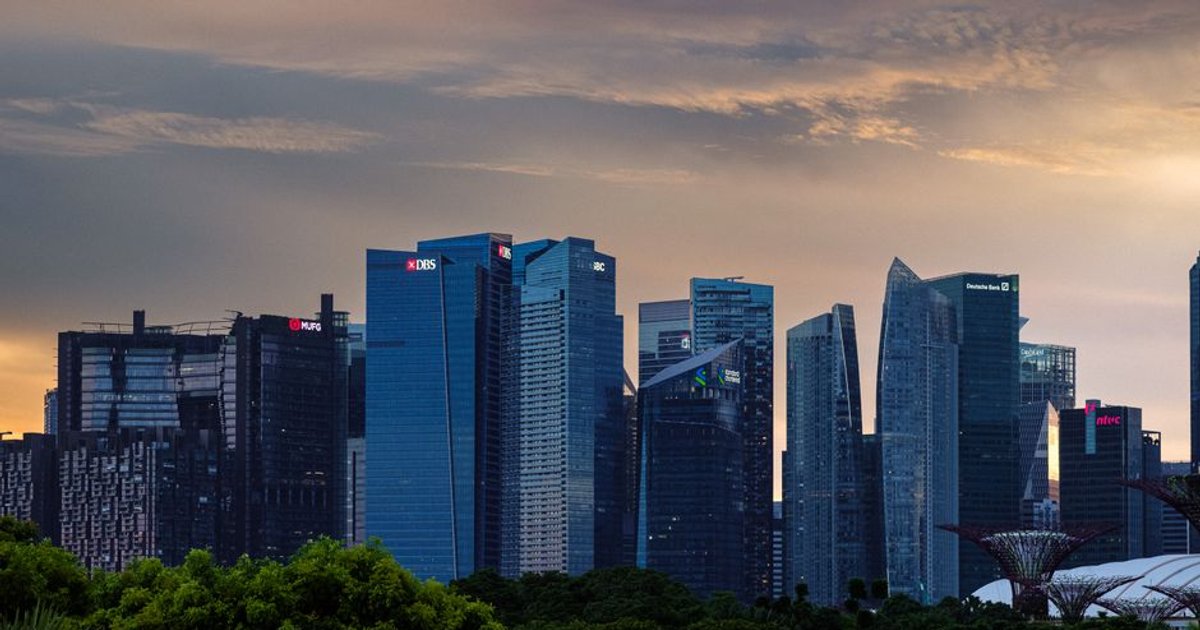
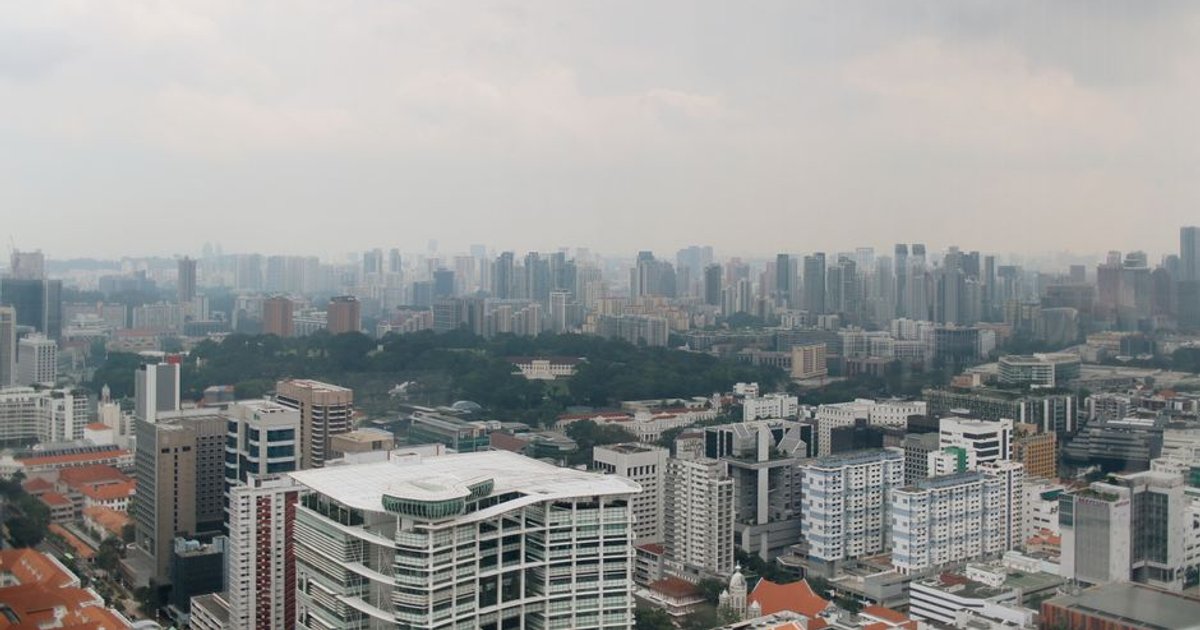
Singapore has long prided itself on a reputation for efficiency, cleanliness, and forward-thinking urban management. Yet, every so often, the city-state finds itself at the mercy of a regional crisis: haze season. In October 2026, the familiar grey shroud returned, with the 24-hour PSI climbing to 192 and PM2.5 readings peaking at a staggering 251 µg/m³. Within days, air purifier sales soared by up to 600%, laying bare not only the vulnerability of daily life to transboundary pollution but also the now-crucial role of indoor air quality technology. What began as an occasional discomfort has swiftly matured into a societal risk management challenge, one that demands deep analysis, swift innovation, and a strategic approach to both public health and business opportunity.
The Anatomy of a Haze Crisis: Tracing the Origins and Impact
Fires Beyond Borders
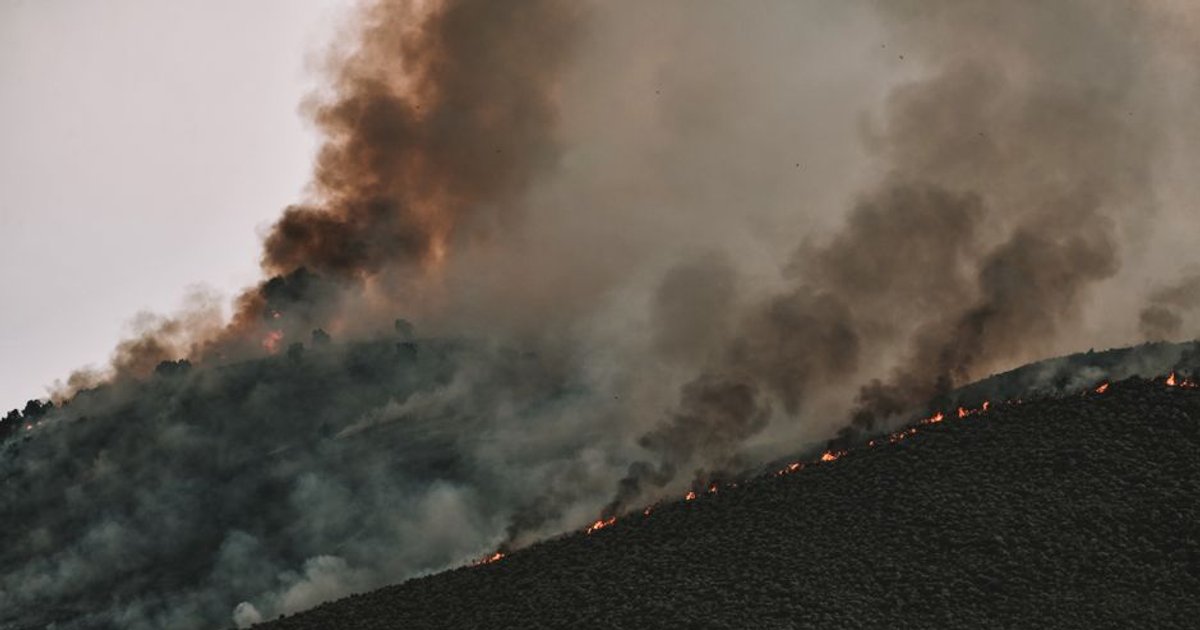
The root of Singapore’s haze problem lies hours away, in the burning peatlands and forests of Sumatra and Kalimantan. Each year, agricultural fires, often illegal slash-and-burn operations, send plumes of smoke drifting across the region. In 2026, prevailing winds once again funneled particulate-laden air toward Singapore. Residents watched anxiously as PSI readings edged toward “Very Unhealthy” territory, with authorities warning that levels above 200 might soon become reality. According to the National Environment Agency, even 24-hour exposure at these levels can provoke respiratory symptoms, especially among vulnerable groups.
The New Normal: Haze as a Catalyst for Consumer Behavior
What’s different this time is the speed and scale of the public’s response. Retail data from Courts revealed a 600% increase in air purifier sales compared to the previous year over a two-week period. Gain City reported sales at nine times August levels. Online, entire inventories of Xiaomi and Dyson purifiers vanished within days, highlighting not just demand, but the risk of supply chain strain and opportunistic price hikes. Where air purifiers were once categorized as luxury or “nice-to-have” appliances, they now stand alongside water filters and insurance as basic resilience tools.
Inside the Surge: Why Air Purifiers Became Essential Overnight
Health at Stake
Public health authorities were unequivocal: rising PM2.5 concentrations are no longer an inconvenience, but an outright danger. True HEPA purifiers, capable of filtering 99.95% of particles as small as 0.3 microns, are now critical assets for families, schools, and offices alike. The Ministry of Sustainability and the Environment issued advisories for vulnerable groups, while medical professionals emphasized that only N95 masks, alongside robust indoor purification, offer meaningful protection for those outdoors or in poorly ventilated spaces.
Retailer Response and Market Volatility
The haze crisis revealed a fragile ecosystem: within days, even major brands like Xiaomi and Dyson faced stockouts. Retailers pivoted rapidly, bundling filters, launching reminder services for filter replacement, and scrambling to secure faster restocks. The swift sell-out of leading brands also forced many consumers to consider lesser-known or generic HEPA models, a shift that may reshape the market’s brand hierarchy for years to come.
Differentiating the Options: Not All Purifiers Are Created Equal
Comparative Analysis for Informed Choices
To navigate a saturated and often confusing market, GoodHelp emphasizes objective criteria: CADR (Clean Air Delivery Rate), lifetime ownership costs, and verified True HEPA filtration. Here’s how major categories compare:
- Xiaomi: Ideal for value-oriented buyers, these models offer smart controls and attractive prices, but users must check for the local availability and cost of replacement filters, a crucial aspect when running purifiers continuously during haze.
- Dyson: These premium units boast advanced sensors and striking designs. However, higher upfront costs and the presence of extra features (like cooling or heating) do not automatically translate to faster or more efficient haze removal.
- Generic HEPA Purifiers: Often the best value for core haze protection, these excel when the CADR is high and filters are competitively priced. The trade-off may be noisier operation, weaker app features, or inconsistent after-sales support.
- Air-Conditioners with Filtration: For homes already relying on AC, some newer units offer built-in filtration. Yet, unless the model’s air cleaning performance is clearly specified and meets haze requirements, this is rarely a full substitute for a dedicated purifier.
No matter the brand, experts recommend using purifiers sized for the actual room, aiming for four to five air changes per hour, and keeping them running on high settings as long as haze persists. When outdoor air improves, ventilation is again critical; purification is only one part of a multi-layered defense.
Shifting Perspectives: Beyond Brand Wars to Practical Protection
Moving from Prestige to Performance
Consumer attitudes are evolving. Increasingly, families and businesses ask: “How well does this purifier protect us, and what will it cost to maintain over the haze season?” This shift toward evidence-based decision-making, rather than brand loyalty or hype, is driven by both necessity and rising awareness of pollution’s real harms. Online forums and comparison tools see a surge in traffic during haze alerts, while demand for transparent, side-by-side cost breakdowns has grown.
Debates in the Home and Office
Some households still hesitate, questioning whether AC alone is enough, or if one high-end purifier can serve an entire apartment. The science is clear: PM2.5 particles are so small that only well-rated HEPA devices, sized for the actual living space, offer reliable protection. Businesses, too, are coming under pressure from employees and parents to equip offices and childcare centers with sufficient purification, especially as hybrid work and flexible scheduling become the norm.
Join the conversation
See this article on our social channels.
Business Opportunity and Tactical Innovation: Meeting Demand Without Compromising Trust
Event-Driven Demand and Supply Chain Risks
The 2026 surge exposed the volatility of haze-driven markets. Retailers and suppliers able to move fast with inventory and flexible offerings thrived, but only those who balanced urgency with credibility. Strategies like bundling purifiers with extra filters, launching subscription reminders, and offering rental models for temporary haze periods proved highly effective in both conversion and customer retention.
Supporting the Customer Journey
The most trusted brands and platforms now provide end-to-end guidance: room-size calculators based on real CADR numbers, not vague “coverage” claims; clear breakdowns of filter replacement costs; and honest messaging that no purifier can fully substitute for outdoor N95 protection during surges. Transparent, impartial advice is no longer a bonus, it’s a competitive necessity.
Singapore’s haze seasons will return, but the winners in public health and business will be those investing today in education, supply chain agility, and evidence-based recommendations, not just hardware sales.
From Quick Fix to Long-Term Resilience: Policy, Planning, and the Role of Technology
Public Health Messaging
National authorities now focus on layered protection: wearing N95 masks outdoors, running True HEPA air purifiers indoors, and keeping windows and doors closed during peak pollution. Recent advisories urge vulnerable groups, such as the elderly, young children, and those with respiratory conditions, to remain vigilant even when the haze seems to have passed, since PM2.5 damage is cumulative.
Forward-Thinking Interventions
The haze crisis is also accelerating interest in urban design and building standards that incorporate passive filtration, air-tightness, and flexible HVAC integration. Smart home technologies, which can automatically ramp up purification as pollution rises, are gaining traction among tech-savvy households. For businesses, investment in office-wide systems, with robust maintenance contracts, is becoming a differentiator in employee wellbeing and productivity.
Comparative Glance: Lessons for First-Time Buyers and Seasoned Veterans
If You’re New to Haze
The speed of onset and severity may come as a shock. Set aside assumptions that “any filter will do” or that closing windows alone is enough. Use calculators and verified CADR data to match purifier size to your space, and anticipate needing extra filters when the haze season lingers.
If You’re a Returning Survivor
You’ve likely seen supply runouts, price spikes, and recurring filter costs. This year, supplement your approach with filter-subscription plans or rental options for extra rooms, and stay updated with trusted advisories. Don’t get distracted by flashy designs; prioritize function, reliability, and realistic maintenance economics.
Conclusion: Investing in Clean Air as a Strategic Imperative
Singapore’s haze problem is not going away soon. As climate patterns shift and regional fire management remains an ongoing challenge, air pollution resilience will remain a top priority for both households and businesses. The 2026 haze episode is a microcosm of larger trends: a world where environmental shocks can trigger sudden spikes in demand, test the integrity of supply chains, and redraw the boundaries of consumer expectations overnight.
In this landscape, the strategic winners will be those who plan ahead, securing both hardware and consumables, educating customers transparently, and supporting smarter, data-driven choices. For policymakers, businesses, and families alike, the lesson is clear: protecting indoor air is no longer a luxury, but a basic pillar of public health and social stability. Only by aligning technology, transparent communication, and forward-thinking business models can Singapore breathe more easily in the seasons to come.
Related guides
- Southeast Asia Haze Crisis: How Singapore, Malaysia And Indonesia Businesses And Households Can Protect Against Unhealthy Air And Spot Opportunities
- Singapore Haze In October 2026: Unhealthy Air Quality, Business Risks And Household Safety Amid Smoke From Indonesia
- Singapore Household Guide To Haze: Why Air-Conditioning Is Not Enough And How To Protect Your Family With The Right Helper And Air Purifier
How GoodHelp can help
- Find the right helper: Answer a few questions and we'll shortlist helpers who suit your home.
- Helper price check: See what a helper costs each month: salary, levy, insurance and agency fees.
- Good local businesses: Home services and shops in your neighbourhood that locals recommend, with member deals.
- Become a Trusted Reviewer: Try local services, write honest reviews and get paid by PayNow.