

How Western Singapore Households Should Manage Very Unhealthy Haze: Practical Guidance On Domestic Helpers, Safety, And Costs
15 Oct 2026
Household Strategies for Haze Management and Domestic Helper Decisions in Singapore: Practical Guidance for 2026 and Beyond
Singapore’s rapidly evolving haze situation, highlighted by Western Singapore’s 2026 “Very Unhealthy” PSI reading, presents time-sensitive challenges for households, especially those considering whether to find a maid in Singapore or re-evaluate their current domestic help arrangements. As air quality fluctuates and the context around family care grows more complex, the need for informed, forward-thinking decision-making becomes ever more essential. This article provides structured guidance to help families think clearly about how to hire a maid in Singapore, manage helper expectations, control costs such as maid insurance Singapore and fire insurance Singapore, and make the best choices for both short-term haze episodes and long-term household needs. (see the r/singapore discussion)
Key Trends and Strategies
Air Quality Events Demand Adaptive Household Planning
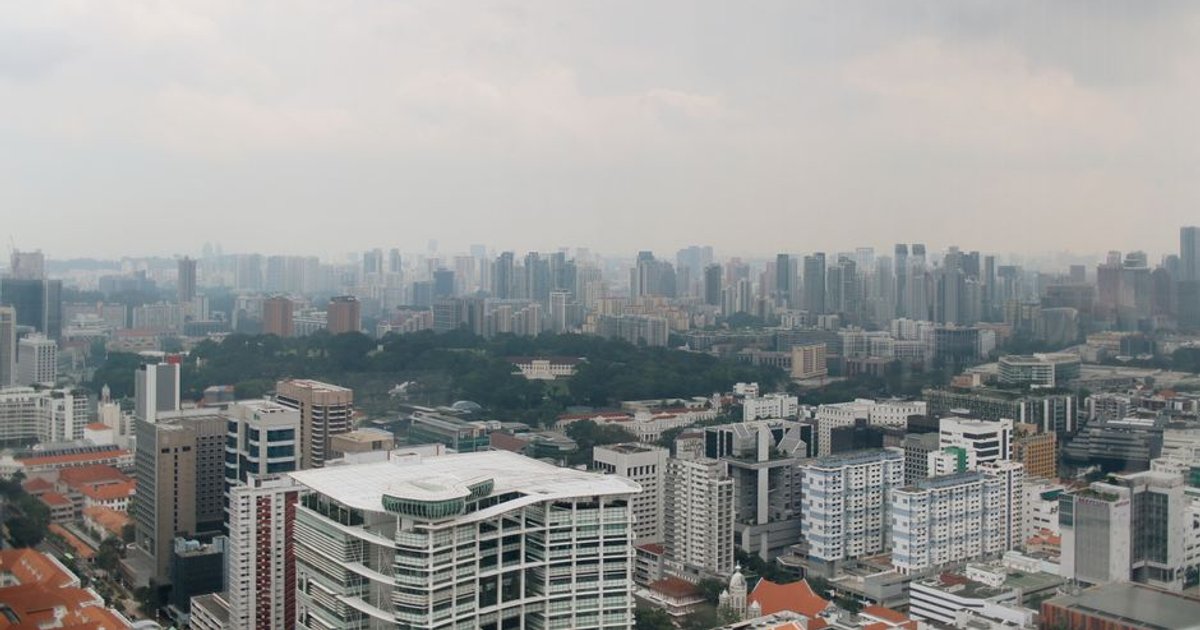
The October 2026 haze, captured in NEA’s PSI and PM2.5 readings, is a prime example of why Singaporean households can no longer treat seasonal air pollution as merely a routine inconvenience.
When the 24-hour PSI exceeds 200, households must quickly move to:
• Reduce exposure for all members, especially children, elderly, pregnant women, and those with chronic illnesses.
• Rethink household routines: keep windows shut, deploy air conditioning or purifiers, and reschedule or delegate outdoor chores judiciously.
• Avoid simply shifting greater risk to the domestic helper, as this neither fulfills legal obligations nor protects the vulnerable.
More Like This



Responsible Household Management: Not Just About Getting More Help
A spike in haze may tempt some to rush out to find helper in Singapore. However, the capacity to manage higher household workload should not come at the expense of practicality or fairness. Households should:
• Distinguish between recurring care needs and a transient rise in surface dust or chores.
• Use maid agency Singapore services judiciously, considering not just cleaner availability but the entire spectrum of employer duties: contract management, levy, insurance, supervision, rest days, and long-term fit.
• Explore alternatives before hiring a live-in domestic helper Singapore, such as freelance cleaners or family support, especially for condominiums or HDBs with temporary spikes in cleaning needs.
Fit and Compliance Over Speed: The Real Value in Helper Selection
The urge to find maid in Singapore quickly when haze hits should be tempered by a methodical approach:
• Clearly define whether you need infant care, elder care, cleaning, or a mix. This avoids mismatches that lead to poor outcomes.
• Consider the legal and financial requirements of an employer in Singapore: work permit, agency fees, levy, maid insurance Singapore, and proper budgeting to avoid surprises. Check MOM’s latest guidelines for up-to-date costs.
• Prioritise skills, attitude, and cultural fit over resume length or agency marketing spin.
Household Insurance and Risk Management
A haze event is a timely prompt to review or upgrade household insurance Singapore (including fire insurance Singapore) and dedicated helper policies. It is critical to:
• Ensure necessary insurance is in place and truly covers the scope of potential incidents involving helpers, not just property or named perils.
• Avoid over-insuring for rare events or under-insuring on core health and liability risks. Review what is bundled via agency, what is required by MOM, and what is optimal for your home and helper’s protection.
Segmented Strategies by Home Type
Household haze management and helper decisions are influenced by your residence type:
- Condominiums: Often feature central air-conditioning and sealed windows, making haze management easier but increasing reliance on mechanical ventilation. Limited storage or staff accommodation may require creative helper management or focus on part-time cleaning.
- Private Housing: Larger spaces and potential for outdoor chores (gardens, car washing) pose extra challenges during haze. A live-in helper may be beneficial, provided that outdoor work is reduced and manageable.
- HDB/Public Housing: Smaller living areas mean that haze particles can accumulate quickly, and window closure may increase heat. Most suitable for flexible cleaner support or a helper focused on infant/elder care rather than outdoor maintenance.
State and Recommendations: Actionable Guidance
- Monitor real-time NEA readings via official channels before planning chores or outdoor errands.
- Reduce, not just redistribute, outdoor work during haze. Do not assign non-essential outdoor tasks to helpers even with a mask.
- Use air purifiers and close windows as much as practical. Only ventilate briefly if readings drop significantly.
- Prioritise cleaning of high-contact surfaces with a damp cloth to avoid particle resuspension.
- Do not hire a domestic helper solely to address short-term haze workload. Consider freelance cleaners or family pooling for chores.
- If you already employ a helper, provide clear, written haze protocols in a language and format she understands. Adjust duties to prioritise care and essential indoor work.
- Regularly review your maid insurance Singapore and household insurance Singapore so that both helper and home are adequately protected.
- Keep records of payments, duties, leave, and insurance to avoid disputes and facilitate claims.
- For first-timers, do not rush to an agency; instead, assess actual recurring needs and whether these justify ongoing live-in support.
- Create a one-page haze plan, detailing who, what, and when for chores, childcare, and emergency situations.
- Where possible, use digital or delivery services to reduce outdoor exposure and save money on household expenses Singapore.
Summary Comparison Table: Smarter Choices for Singapore Households
| Aspect | Finding the Right Helper | Simply Finding an Available Helper |
|---|---|---|
| Live-in vs Part-time | Matched to household's ongoing care or management needs | Often chosen in a rush due to workload spike or haze |
| First-time Helper vs Experienced | Weighs skills, training, and ability to learn household routines | Picks based on immediate availability or agency push |
| Skills vs Attitude | Prioritises actual care skills and willingness to learn | Often focuses on claimed or generic skills alone |
| Cultural Fit vs Resume Fit | Chooses for communication, temperament, and household style | Chooses for longest resume or agency recommendation |
| Infant Care vs Elder Care vs General | Clarifies the key need before hiring, avoiding mismatches | Assumes one person can do all without clear role definition |
| Agency vs Direct Hire | Compares agencies, checks credentials, considers self-sourcing | Follows agency shortcuts, minimal due diligence |
| Premium vs Standard Agency | Examines service, warranties, training, and fit guarantees | Chooses lowest up-front fee or quickest placement |
| Higher Salary vs Better Fit | Willing to pay for better experience or fit | Focus on lowest wage |
| Short-term vs Long-term Mindset | Builds an ongoing relationship, invests in training | Sees helper as an emergency or disposable fix |
| Employer Responsibilities vs Helper Expectations | Clarifies rest days, insurance, scope, emergency plans | Assumes the helper will "know" what’s needed |
| Comprehensive Insurance vs Cheapest Insurance | Compares cover levels, not just price | Buys default or cheapest agency policy |
| Over-insuring vs Under-insuring | Balances expected risks, reviews policy details | Leaves out home, contents, or helper liability coverage |
| Household Convenience vs Household Cost | Optimises routine, avoids over-hiring or under-supervising | Incurs extra or avoidable expenses due to unclear roles |
| Saving Money vs Cutting Corners | Uses freelance and delivery wisely, invests in quality | Risks disputes, claims, or accidents to save up-front |
Segmentation: Challenges and Opportunities by House Type
Condominiums
Condos offer the benefit of sealed environments and shared amenities, making haze protection and cleaning more manageable. However, limitations in live-in staff accommodation and management oversight mean that hiring should focus on versatile helpers who can work independently, or on part-time specialists for cleaning during haze events. Take advantage of collective bargaining through MCSTs for bulk air purifier or filter purchases. Homeowners here often benefit from streamlined maintenance but should ensure household insurance Singapore policies cover both unit and common areas, especially if employing a helper.
Private Housing
Private residences face larger maintenance burdens, particularly when haze requires postponing outdoor gardening, washing, or car cleaning. Here, a live-in helper may be essential, but only if scope is managed to reduce unnecessary hazard. Owners should leverage their space for safe indoor care routines and consider dedicated air-conditioning zones to limit operational costs. Insurance reviews should include property, personal liability, and helper coverage, as private homes may have more exposure to expensive accidental claims.
HDB/Public Housing
HDBs and public flats typically have smaller spaces and may share corridors, meaning haze dust accumulates in high-traffic areas. Window closure during haze can quickly raise temperatures, so plan cleaning and errands during off-peak exposure hours. Engage part-time cleaning or rely on community cleaning services when feasible. Ensure insurance includes helper and fire coverage, especially for older buildings.
Comparison Table by House Type
| House Type | Haze & Chore Challenges | Best Helper Strategy | Insurance Considerations |
|---|---|---|---|
| Condominium | Dense living, closed systems, amenity reliance | Part-time/flexible or highly independent live-in, focus on indoor skills | Home contents, liability, helper medical, possibly MCST-pool |
| Private House | Large area, outdoor chores, higher frequency cleaning | Live-in, with role redefined for haze episodes | Comprehensive property, personal liability, helper health |
| HDB/Public | Smaller space, shared access, quick dust build-up | Part-time or helper focused on care not outdoor work | Fire, contents, helper medical/accident |
The most successful Singapore households are not those that rush to hire at the first sign of trouble, but those that adapt with clarity, compassion, and financial intelligence, building resilient routines that protect both families and helpers, even as conditions change.
Conclusion: Strategic Learning and What Comes Next
The October 2026 haze event is a stark reminder for Singapore homes to proactively manage both environmental and human risks. The right approach to find maid in Singapore or adjust existing domestic help is not to treat it as a quick fix for a passing challenge. Instead, strategise for resilience: clarify your real needs, invest in helper fit and well-being, maintain up-to-date maid insurance Singapore and household insurance Singapore, and always review for cost-effectiveness without cutting critical corners. With the likelihood of recurring haze events, forward-thinking households should formalise haze plans, upskill helpers in safety, and evaluate care needs before committing to major employment decisions.
In the coming years, we anticipate agencies and delivery services will further innovate, offering modular, on-demand help and bundled insurance for haze-season surges. For the time-pressed, financially savvy Singaporean, the winning formula will be to combine practical risk management, tailored helper selection, and strategic cost-saving (like opting for delivery or freelance cleaning during peak haze) to ensure both family and helper thrive, no matter the weather.
Stay informed, document everything, and remember: intelligent household management is about sustainable fit, not just short-term convenience or the promise of extra hands.