

Does Rain In Singapore Really Reduce Haze? What Every Household Needs To Know For Safer Air And Smarter Helper Management
15 Oct 2026
Rain, Haze, and Household Strategy in Singapore: What Decision-Makers Need to Know
Singaporeans are no strangers to the challenges posed by annual haze events, especially when transboundary smoke from regional fires overlaps with unpredictable local weather. For household decision-makers, families managing children or elders, those considering how to find maid in Singapore or find helper in Singapore, and employers overseeing domestic work, the practical impacts go far beyond visibility or inconvenience. Managing air quality, ensuring domestic helper welfare, and controlling costs all intersect in ways that require forward-thinking strategies. This article offers a comprehensive perspective on how rainfall, haze, and regional fire events affect households, hiring, and risk management in Singapore. (see the r/asksg discussion)
Key Trends and Strategies
Why Rain Is Not a Guaranteed Haze Solution
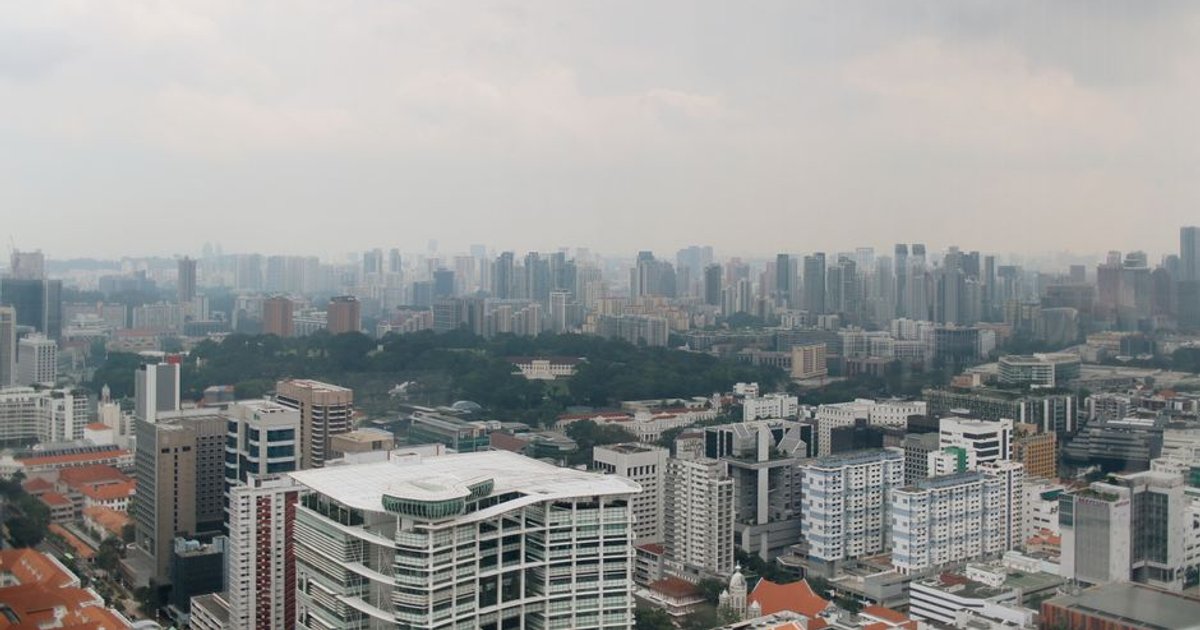
Rain temporarily reduces airborne particles through wet deposition, but it does not guarantee clean air if regional fires continue and wind patterns remain unfavourable. As highlighted in recent NEA updates, showers may coincide with high PM2.5 and PSI levels, especially if smoke from southern Sumatra and Kalimantan continues drifting into Singapore under prevailing winds. This means that even during a week of rainfall, air quality can remain unhealthy, demonstrating why short bursts of rain are not a reliable haze-control mechanism.
Practical Household Response Beats Wishful Thinking
Households cannot control regional weather or fire conditions, but they can adopt measured steps to protect vulnerable members, manage domestic helper exposure, and reduce unnecessary expenses. Instead of assuming that "rain has solved the haze," Singapore families should focus on:
• Monitoring official air-quality data such as the latest NEA PM2.5 and PSI readings.
• Adjusting outdoor activity and helper duties based on current health advisories.
• Using air purifiers, cleaning filters, and ensuring proper ventilation.
• Consolidating errands to minimise outdoor exposure.
More Like This


Hiring and Managing Domestic Helpers: The Right Fit Matters
A haze episode is the wrong time to rush hiring a maid in Singapore or domestic helper Singapore. The urgency to cope with temporary outdoor cleaning or childcare needs can lead to mismatches that cost more in the long run. It is critical to define the role, whether for infant care, elder care, or general household support, before engaging an agency or direct hire. Consider health vulnerabilities, specify rest and work arrangements, and ensure clear communication and support for your helper.
Current MOM requirements for maid insurance Singapore and accident coverage are mandatory, but employers should choose policies that actually fit their household, balancing comprehensive protection with cost control.
Household Insurance: Avoid Both Over- and Under-Insuring
With rising awareness around fire insurance Singapore and household insurance Singapore, many families are tempted to opt for the cheapest package or, conversely, purchase overlapping policies. The smarter path is to assess actual household needs: consider roles, property type, and unique vulnerabilities (e.g., children with asthma) before buying. Strategic coverage protects against unnecessary spending and provides peace of mind, especially during unpredictable haze periods.
State and Recommendations
- Monitor, Don’t Assume: Rainy weather does not equate to safe outdoor air. Check official advisories and current readings before making decisions.
- Clarify Helper Instructions: Give clear, written and verbal instructions regarding window closure, mask use, and errand scheduling during haze. Do not delegate the decision to your helper alone.
- Define the Job Before Hiring: For first-timers on how to hire a maid in Singapore, write down all household needs, including outdoor tasks, infant care, elder support, and errand volume.
- Choose the Right Agency: Verify agency licensing, replacement policy, and the track record. Do not choose based only on speed, nationality, or a single cost figure, request itemised quotes and relationship support.
- Match Insurance to Your Needs: Select maid insurance Singapore and other household cover that matches the specific risks your family faces. Avoid buying simply the cheapest or most expensive option.
- Consolidate Errands and Cleaning Schedules: Reduce unnecessary outdoor trips by batching errands and prioritising essential activities.
- Budget for the Foreign Worker Levy and Recurring Costs: The levy is mandatory and separate from salary (see MOM guidelines). Plan so you are not surprised by invisible monthly costs.
- Keep Records: Maintain documentation of contracts, insurance policies, agency communications, and expense tracking to avoid disputes or over-spending.
Comparison Table: Strategic Choices in Hiring and Managing Domestic Helpers
| Area | Option 1 | Option 2 | Key Implications |
|---|---|---|---|
| Finding the right helper | Detailed fit, role clarity, skills | First available candidate | Better household match saves money and reduces turnover |
| Live-in vs Part-time | More flexibility, full support | No accommodation needed, lower fixed cost | Live-in suits families with complex schedules; part-time may fit smaller homes |
| First-time helper vs Experienced | Flexible, trainable | Faster onboarding, less supervision | First-timers need more guidance; experienced helpers may command higher salary |
| Skills vs Attitude | Qualified for specific roles | Positive, adaptable approach | Attitude critical for long-term trust and growth |
| Cultural Fit vs Resume Fit | Communication, lifestyle compatibility | Paper qualifications only | Culture fit reduces misunderstandings |
| Infant Care vs Elder Care vs General Household Care | Specialised training | Broad housekeeping, cooking, errands | Role clarity is essential for helper and employer satisfaction |
| Agency vs Direct Hire | Support, documentation, mediation | Lower upfront cost | Agency adds structure; direct hire needs careful vetting |
| Premium Agency vs Standard Agency | Replacement guarantees, aftercare | Basic placement only | Consider long-term service levels, not just price |
| Higher Salary vs Better Overall Fit | Attracts experience | Saves monthly cost | Fit often outweighs salary in retention and harmony |
| Short-term Trial Mindset vs Long-term Relationship | Risk of high turnover | Stability, mutual trust | Long-term view saves replacement and training costs |
| Employer Responsibilities vs Helper Expectations | Clear contracts, health planning | Ad hoc, unclear duties | Clarity reduces disputes and stress |
| Comprehensive Insurance vs Cheapest Insurance | Matched to actual risk | Basic, may under-protect | Appropriate coverage prevents crisis costs |
| Over-insuring vs Under-insuring | Unnecessary premiums | Risk exposure, high out-of-pocket expenses | Balance is essential for save money on household expenses Singapore |
| Household Convenience vs Household Cost | Managed flexibility | Hidden extra expenses | Systems reduce long-term cost without sacrificing quality |
| Saving Money vs Cutting Corners | Smart investments, expense tracking | Neglects safety, health, or quality | Short-term saving can result in higher downstream cost |
Segmentation: Opportunities and Challenges by House Type
Condominiums
Condominium households often have access to better ventilation and may use central air-conditioning, but face constraints on drying laundry outdoors and complex rules for helper accommodation. They benefit from live-in helpers who manage indoor care and can use air purifiers strategically. Premium agency support and comprehensive insurance are especially valuable for families with young children or elderly relatives. However, costs can escalate if not properly budgeted or if helpers are asked to handle roles beyond their expertise.
Private Housing
In landed homes, exposure to outdoor air is often higher, and gardens or pets increase the volume of outdoor work. Here, weatherproof planning and clear helper instructions are essential. Hiring for fit is paramount, one helper may not be sufficient for a large home requiring both indoor and outdoor maintenance. Fire insurance and household insurance should be reviewed for property-specific risks. Part-time support or a combination of live-in and service providers may offer the best balance.
HDB/Public Housing
HDB flats often have limited space for helper accommodation and require creative scheduling to blend household convenience with cost control. Part-time or live-in helpers are both options, but roles must be defined carefully. Budget constraints mean that careful selection of agency, insurance, and task planning will save money over time. Air purifier coverage and mask use are critical during haze, as ventilation options can be limited.
Comparison Summary
- Condominiums: Higher service expectations, more policy options, but also higher potential cost.
- Private Housing: Outdoor work is prominent, requiring more flexible helper roles and risk cover.
- HDB/Public Housing: Cost management and space optimisation are key; clear delineation of duties reduces friction and expense.
"The most effective household strategy during haze is not waiting for the weather to clear, but building resilient routines, choosing the right helper and insurance, and treating each hire as an investment in family safety and well-being."
Conclusion: The Strategic Imperative for Singapore Households
Singapore’s unique combination of regional haze, unpredictable rain, and diverse household needs means that hoping for rain is not a household strategy. It is smarter to invest in robust planning: choosing the right maid agency Singapore, documenting roles and protections, reviewing your household insurance Singapore and maid insurance Singapore, and tracking costs to save money on household expenses Singapore. Whether you intend to find a helper in Singapore for the first time or refine your current arrangement, clarity, fit, and protection will always outperform speed or assumption.
Looking forward, greater climate volatility and policy changes may make haze episodes more frequent and intense. Households that plan now, by embracing integrated hiring, support, and risk strategies, will be better positioned to protect their families, support their helpers, and control expenses, whatever the weather brings.