
Indonesia Forest Fires 2026: Latest Haze Risks, Timeline And Air Quality Updates For Sumatra, Kalimantan, Java And Papua
11 Oct 2026
Indonesia’s 2026 Forest Fire Crisis: Navigating the Long Shadow of El Niño
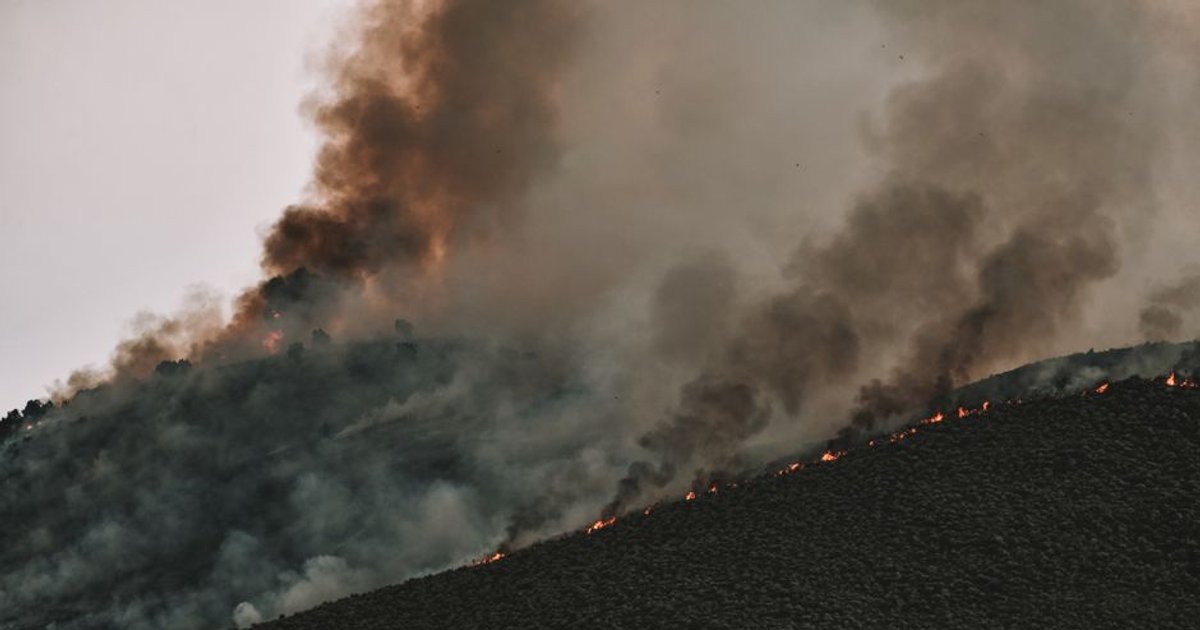
In 2026, Indonesia’s annual forest fire season has transcended its traditional boundaries, intensified by the rare force of “Godzilla” El Niño and an unusually long dry season. As wildfires rage across Sumatra, Kalimantan, Java, and Papua, the archipelago faces a convergence of environmental, economic, and social challenges that are rippling far beyond its borders. With BMKG and BNPB warning that the fires and haze may persist into November, business leaders, households, and policymakers are urgently recalibrating strategies to manage operational risk, environmental health, and sustainable land use. This exposé delves into the crisis’s roots, its real-world impacts, and the innovations shaping Indonesia’s response under unprecedented conditions.
Understanding the Prolonged Fire Season: Historical Context and 2026 Shifts
Historical Patterns and Their Disruption. Indonesia’s fire season typically runs from July through October. Historically, these months see a spike in land-clearing burns, especially by plantation operators using dry conditions for agricultural preparation. However, the 2026 season has broken this mold. BMKG predicted the peak risk for August and September with declines expected as rainfall returns in October and November. Yet, the unusually severe El Niño has stretched the dry season, amplifying hazards and threatening to push fires into December, especially on drained peatlands that remain combustible long after surface flames die out. Indonesian weather agencies have flagged this "super" El Niño as the most extreme in decades, affecting rainfall patterns and prolonging fire risk across the region.
Peatland Vulnerability. Peatland areas, draining between June and December, present a unique challenge. Fires here often smolder underground, eluding detection and suppression efforts. Drained peat amplifies combustibility, compounding risks long after visible hotspots fade and further complicating firefighting and environmental management strategies.
2026 Real-Time Trends: Data-Driven Diagnosis
Hotspot Fluctuation and Short-Term Improvement. As of 11 October 2026, Indonesia experienced a dramatic 67% drop in identified fire hotspots, falling from 1,176 to 387 in a single day. While this data signals short-term mitigation, it does not herald the season’s end. Authorities continued to report unhealthy to hazardous air quality in Sumatra, Kalimantan, Java, and Papua, highlighting the persistent threat of haze and invisible underground burns.
Rainfall Prospects and Operational Risk. BMKG’s forecasts show 66.09% of the country receiving only 0, 50 mm of rain from 11 to 20 October, suggesting that the prolonged dry spell could trigger renewed fire outbreaks. Such conditions force business and logistics planners to factor high operational risk into supply chains, worker safety, and regional transport. For households and service providers, the advice is clear: do not equate short-term hotspot declines with a cessation of risk, but instead monitor local PM2.5 readings and official air-quality advisories, especially in fire-prone provinces like South Sumatra and Riau.
Drivers Behind the Extended Crisis: Agricultural Practices and Climatic Amplifiers
Farming and Plantation Dynamics. At the heart of Indonesia’s forest fire problem lies a longstanding practice: land-clearing by burning during the dry season. Plantation operators, motivated by cost efficiency, frequently target drained peatlands for expansion. The surface may appear clear, but flames often ignite deep organic layers, leaving stubborn fires that resist conventional suppression methods.
El Niño as a Supercharged Catalyst. The 2026 event marks an exceptional convergence of natural and anthropogenic drivers. “Super” El Niño, termed as "Godzilla" by meteorologists, has induced a severe, prolonged dry season, limiting rainfall and heightening vulnerability. Rainfall normally acts as a natural brake; without it, fires persist, and haze spreads unchecked. The scale of El Niño’s impact is evident in forecasts and in government warnings that the fire season may not ease meaningfully until well into November.
Comparing Stakeholder Perspectives: Business, Household, and Government Response
Business Decision-Makers. For those in logistics, agriculture, and manufacturing, the risk window is clear: from now through late October, operational hazards reign in Sumatra and Kalimantan, with disruptions to transport, worker exposure, and supply chain reliability. November promises improvement if rains materialize, but residual peat fires can still threaten localized areas. Sustained rainfall is the only guarantee of material risk reduction, as isolated fires may linger where peat remains dry.
Households and Service Providers. For communities and local institutions, the approach is more granular. Temporary drops in hotspots should not be interpreted as safe clearance. The guidance is to follow real-time air-quality reports and PM2.5 readings, especially for outdoor workers, school activities, and vulnerable populations. The timing of risk reduction is dictated by rainfall, not calendar dates.
Government and Agencies. Indonesian authorities, including BMKG and BNPB, have shifted focus to adaptive monitoring and emergency response. Their advisories underscore the reality that fire risk, particularly haze, may extend well beyond the traditional farming cycle. The emphasis is on continued vigilance, rapid response teams, and strategic water deployment for firefighting operations.
Patterns, Tactical Shifts, and New Practices: Navigating the Uncertainty
Technological Innovation in Fire Detection. The rise in satellite-based hotspot detection has enabled authorities to track fire outbreaks in near real-time, as illustrated by the dramatic fluctuation in hotspot numbers. Integration of remote sensing data with ground intelligence allows for more responsive firefighting and risk communication. Remote sensing technologies are increasingly vital for identifying underground peat fires, which are otherwise invisible to traditional monitoring methods.
Community and Business Adaptation. Firms are adapting by re-routing logistics, implementing air-quality shielding for workers, and reducing outdoor activities during haze periods. Households are urged to install air purifiers and avoid exposure during peak PM2.5 readings, a shift from past reliance on calendar-based precaution.
Policy and Environmental Reform. While emergency response remains a priority, longer-term strategies are emerging. There is a growing consensus on the need to regulate peatland drainage, incentivize sustainable land-clearing methods, and enhance enforcement against illegal burning. Government initiatives increasingly focus on cross-sectoral collaboration, empowering local communities and integrating resilience planning into agricultural cycles.
Global Implications: Haze, Health, and Market Disruption
Transboundary Haze and Regional Health Impact. Indonesia’s fires generate atmospheric haze that routinely crosses borders, affecting Malaysia, Singapore, and beyond. Public health costs soar as respiratory illnesses spike and vulnerable populations suffer from prolonged exposure. The environmental health literature links haze episodes to increased hospitalizations, school closures, and acute disruptions in daily life.
Market and Supply Chain Disruption. As haze blankets transport corridors, businesses face shipment delays, supply chain breakdowns, and loss of productivity. Agricultural yields decline, insurance premiums rise, and future investments in the region are tempered by risk-adjusted forecasts. These economic shocks underscore the necessity of robust contingency planning and diversification for market resilience.
Forward-Thinking Solutions: Investing in Resilience and Sustainability
Collaborative Fire Management. The crisis has catalyzed collaborative fire management across government, industry, and civil society. Joint task forces are employing drone surveillance, targeted water bombing, and rapid mobilization protocols to suppress outbreaks. Knowledge sharing and capacity-building, especially in rural communities, are recognized as key assets in reducing recurrence.
Sustainable Agricultural Transitions. The push for sustainable land-clearing, such as mechanical removal and composting, is gaining traction, driven by regulatory pressure and international scrutiny. Major plantation groups are piloting residue-to-energy projects, converting waste into biofuel rather than burning it. This shift, while nascent, offers positive market signals for eco-friendly practices and long-term adaptation.
Air-Quality Monitoring and Public Health. The adoption of localized air-quality sensors, real-time communications, and early-warning systems are empowering households and service providers to make informed decisions. School closures, remote work setups, and health advisories are increasingly based on dynamic data rather than static schedules. The integration of environmental health into public planning is seen as a vital advance in resilience.
The lesson of Indonesia’s 2026 fire season is clear: dynamic environmental risk demands adaptive, data-driven responses. Stakeholders must invest not just in reactive measures, but in long-term resilience and sustainable land management, recognizing that climate volatility has become the new normal.
Comparative Perspectives: Seasonal Norms Versus El Niño Extremes
Seasonal Expectations. Traditionally, Indonesia’s fire season falls between July and October, aligning with agricultural cycles and manageable dry spells. Local and regional frameworks are built around these cycles, with routine risk mitigation and post-fire recovery protocols.
2026 El Niño Reality. The 2026 season upends these expectations. Not only have fires persisted longer, but their severity and unpredictability have outpaced conventional responses. The extension into November and possible December presents new challenges, requiring real-time adaptation rather than reliance on historical precedent.
Evaluating the Gaps. Newcomers to the crisis may assume that fire risk correlates directly with the calendar or superficial hotspot counts. The reality is more nuanced: underground peat fires, delayed rainfall, and El Niño amplification dictate risk, requiring vigilance and adaptive management well after surface indicators improve.
Strategic Guidance: What Comes Next?
Risk Windows and Decision Points. For business leaders, the actionable risk window is immediate: operational disruptions, exposure hazards, and logistics interruptions will likely persist through late October. November could bring broad improvement, but only if seasonal rains arrive as forecast. Drained plantations and peatlands remain vulnerable to isolated fire outbreaks, reinforcing the need for sustained monitoring and contingency planning.
Households and Community Action. For families and service providers, the best defense is informed caution. Do not treat temporary hotspot declines as permanent relief; instead, rely on real-time air-quality readings and local advisories. Adapt schedules, protect vulnerable groups, and remain agile in response to evolving environmental conditions.
Policy and Market Implications. Governments and industries must move beyond emergency response to embrace sustainable land management, cross-sector collaboration, and climate-resilient investment. The lessons from 2026 point to the urgency of integrating environmental risk into market strategy and societal planning.
Conclusion: The Road Ahead for Indonesia and the Region
Indonesia’s 2026 fire crisis marks a turning point, both for the nation and its neighbors. It underscores the vulnerability of traditional risk frameworks in the face of climate volatility and points to the necessity of scalable innovations in fire management, emergency response, and sustainable agriculture. With “Godzilla” El Niño stretching the dry season and amplifying hazards, the path to recovery depends on adaptive, data-driven stewardship and a commitment to reform beyond the firefighting cycle.
The strategic importance of Indonesia’s fire season extends well beyond local impacts. Global supply chains, regional health, and climate adaptation are all intertwined. Moving forward, it is critical for stakeholders to invest in resilience, embrace sustainable practices, and cultivate cross-functional partnerships. Only through forward-thinking action can Indonesia and its partners hope to mitigate future risks and build a safer, healthier, and more sustainable Pacific region.