
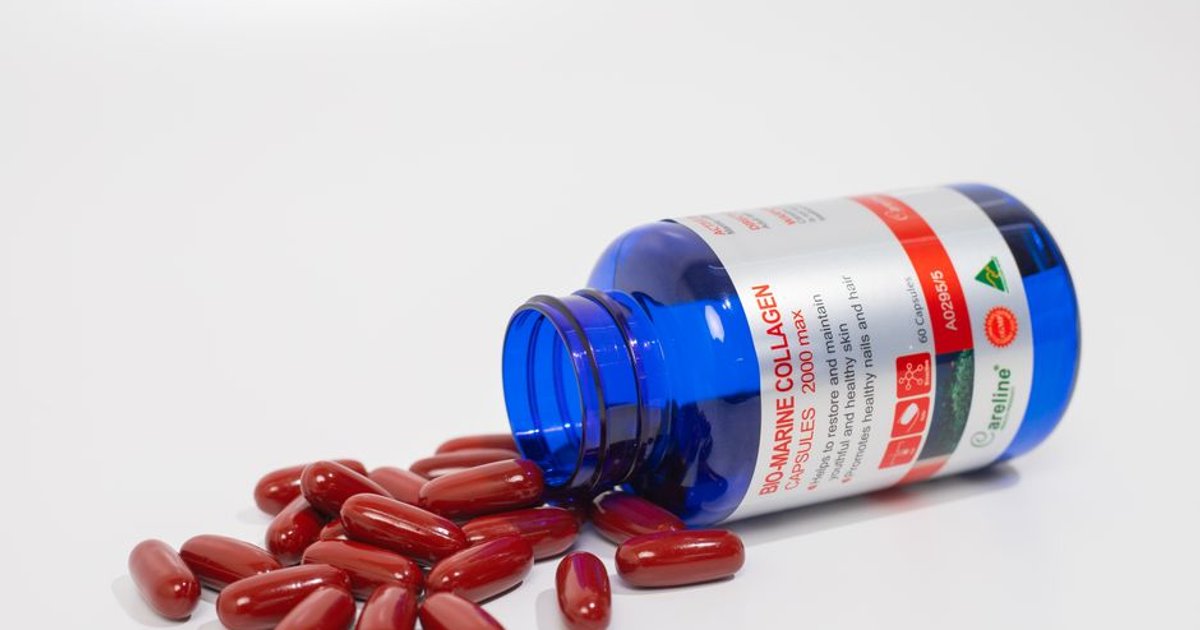
Singapore Recall Alert Medicube PDRN Pink Collagen Capsule Cream Batches Contain Banned Sudan IV Dye Consumer And Business Guidance
2 Oct 2026
Unmasking Cosmetic Safety: Singapore’s Medicube Recall, Regulatory Realities, and the Modern Marketplace
The dazzling world of cosmetics is built on promises, youthful skin, transformative beauty, and trust. Yet beneath its glossy veneer, safety concerns occasionally surface, disrupting consumer confidence and exposing invisible cracks in the global supply chain. In mid-2026, Singapore’s Health Sciences Authority (HSA) issued a targeted recall of select batches of Medicube PDRN Pink Collagen Capsule Cream. Their robust action came after laboratory tests detected minute amounts of Sudan IV, a prohibited industrial dye with carcinogenic potential. This event, minor in exposure but seismic in implications, illustrates both the sophistication and fragility of cosmetic safety frameworks across fast-evolving Southeast Asian markets. The Medicube incident offers invaluable lessons, not only for regulators and retailers but for every business and consumer navigating the modern cosmetic landscape.
Setting the Stage: The Anatomy of a Modern Cosmetic Recall
Historical context shapes present vigilance. Once upon a time, the cosmetics trade was a largely unregulated marketplace. Brand reputation was the principal currency, and consumer protection depended on trust and anecdote. As global trade expanded, so did risks: counterfeits, ingredient adulteration, and unverified online listings became commonplace. Over the past two decades, Southeast Asia has witnessed explosive growth in beauty and skincare, by 2026, Singapore’s cosmetics market alone approached SGD 2.3 billion. Concurrently, regulatory architectures matured, catalyzed by regional harmonization such as the ASEAN Cosmetic Directive, which harmonizes ingredient bans and notification regimes among member states.
The recall at hand is a case study. In August 2026, HSA’s heightened post-market surveillance flagged Medicube PDRN Pink Collagen Capsule Cream for containing traces of Sudan IV in two distinct production batches. Unlike a sweeping, product-wide ban, HSA executed a batch-targeted recall, balancing public health imperatives with supply chain realities. This approach underscores a central tension in modern regulation: acting decisively without unduly disrupting commerce or alarming uninvolved consumers.
Deeper Dive: What the Recall Means, And What It Doesn’t
Not all products are created equal. The recall centers exclusively on Medicube PDRN Pink Collagen Capsule Cream, specifically batches 2E122I.2E117I and 2E191G.2E193G. Importantly, official communications do not link the action to products under the name “Go Auras.” This distinction is more than semantic; incorrect reporting can sow confusion, disrupt businesses, and erode public trust. According to HSA, minute amounts of Sudan IV were found, described as “unlikely to pose serious health risks from previous use.” Nevertheless, Singaporean consumers were instructed to immediately cease using products from the affected batches, retain all documentation, and contact sellers for refunds.
The regulatory logic is clear and uncompromising. Sudan IV is classified under industrial dyes known as Sudan Reds, which are explicitly banned in Singaporean cosmetics per the Health Products (Cosmetic Products, ASEAN Cosmetic Directive) Regulations 2007. The ban is rooted in scientific evidence linking Sudan dyes to carcinogenicity and allergic reactions. The detected concentration, though small, is irrelevant to the prohibition’s strict liability: any presence in a cosmetic product is grounds for recall and sales suspension.
More Like This



Consumer Protection in Action: Tactical Shifts and Best Practices
Batch-based precision minimizes collateral damage. HSA’s measured response is notable for its specificity. Rather than blanket all Medicube creams under suspicion, only the two implicated batch groups faced recall. Unaffected batches were allowed back on shelves following rigorous retesting. This tactic demonstrates a growing regulatory sophistication, protecting consumers without unduly penalizing compliant manufacturers or retailers.
Proactive market engagement builds resilience. HSA’s guidance for consumers is robust and practical: immediate cessation, evidence preservation, direct seller engagement, and formal reporting of adverse events. This step-by-step approach not only empowers individuals but also accelerates feedback loops for systemic risk monitoring.
Marketplace platforms are pivotal actors. With the rise of e-commerce, traceability and rapid notification have become core competencies. If a purchase occurred online, consumers are urged to preserve order details and open formal return cases via the platform. This elevates the role of digital intermediaries as frontline stewards of public safety.
Supply-chain accountability is non-negotiable. Dealers and importers must notify HSA no later than 24 hours, excluding Sundays and public holidays, prior to issuing a recall, reinforcing a culture of prompt, transparent action. Furthermore, suppliers are required to subject each Singapore-bound production batch to accredited laboratory testing, a preventive measure designed to catch contamination before it reaches end users.
Comparing Regulatory Approaches: Singapore Versus the Broader Region
Singapore’s model: Precision over panic. The island-state’s recall playbook leverages robust market surveillance, targeted batch controls, and stringent notification obligations. Notably, local dealers do not require pre-market approval or certification before placing cosmetics on the market, the notification system is designed for speed and adaptability, rather than bureaucratic overhead. Nonetheless, rigorous post-market testing and enforceable recall pathways fill this regulatory gap.
ASEAN region: Harmonization with local adaptation. ASEAN’s Cosmetic Directive unifies banned ingredients and notification standards, yet implementation diverges significantly. Some member states lack Singapore’s enforcement resources or consumer outreach capabilities, hampering rapid recalls or batch-level interventions. Businesses expanding regionally are cautioned: do not assume Singaporean procedures or batch numbers suffice elsewhere. Localized compliance matrices, covering prohibited ingredients, notification thresholds, recall deadlines, and labelling requirements, are essential for cross-border supply chain continuity.
Western perspectives: Pre-market vetting as default. In the European Union and United States, cosmetics are governed by a blend of pre-market registration, Good Manufacturing Practices, and robust post-market surveillance. Recalls may be either voluntary or regulator-mandated, and batch identification is a common audit requirement. However, notification requirements and consumer recourse can vary widely, creating both friction and opportunity for global players comparing market-entry strategies.
Patterns and Innovations: Tactical Shifts in the Cosmetic Industry
Traceability as a strategic asset. The era of anonymous, fungible products is ending. Leading importers and retailers now maintain granular records linking suppliers, shipment dates, retailers, and even individual consumers to specific batch codes. This traceability is mission critical: in the event of a recall, businesses can surgically withdraw only the affected units, minimizing both waste and reputational fallout.
Supplier verification and independent testing as the new normal. Given the globalized risk of adulteration or counterfeiting, businesses increasingly demand certificates of analysis, ingredient declarations, and independent third-party laboratory tests prior to importation. High-risk categories, such as pigmentation and anti-aging creams where illegal dyes have historically appeared, face even greater scrutiny.
Marketplace controls and recall readiness are core competencies. Online platforms are investing in backend systems that can instantly suppress listings, trigger mass customer notifications, and coordinate refunds. For traditional retailers, written recall procedures covering quarantine, regulator notification, inventory reconciliation, and corrective action are now standard operating procedure.
Disciplined claims and transparent communication build trust. Businesses must avoid overstating regulatory relationships. Describing HSA notification as a product “approval,” “certification,” or “endorsement” is expressly forbidden. Instead, clarity about batch-specific risk, refund channels, and the scope of the recall preserves customer trust and insulates businesses from legal and reputational harm.
Statistical Insights: What the Data Reveal, and Where It Leads
Market impact remains disciplined, so far. The Medicube recall was batch-specific, and the detected Sudan IV concentrations were described by HSA as “minute and unlikely to pose serious health risks from prior use.” Singapore’s cosmetic market, estimated at SGD 2.3 billion in 2026, absorbed the recall without panic. Early reports indicate negative consumer reactions were rare, owing more to the strength of the recall protocol and clear communication than to the severity of contamination itself.
Recall preparedness varies by region and platform. Industry data suggest only about 52% of Southeast Asian beauty retailers have comprehensive batch-level traceability by 2026, compared to over 80% in major Western markets. Online channels outperform physical retailers in rapid notification and return handling, although challenges persist in validating seller identity on cross-border marketplaces.
Consumer expectations are evolving. Digital-native shoppers expect immediate alerts, frictionless refunds, and real-time updates. Survey data from 2025 show that more than 70% of Singaporean beauty consumers would switch brands permanently if they perceived hesitation or opacity in recall handling. Thus, the cost of delay or equivocation is measured not only in regulatory fines, but in lost lifetime value.
Business Implications and Forward-Thinking Measures for Cosmetic Enterprises
The regulatory landscape is non-negotiable, and dynamic. Singapore’s experience demonstrates that regulation, once perceived as an obstacle, is now a strategic enabler. Businesses that internalize robust traceability, supply chain accountability, and disciplined communication are better equipped to weather both routine recalls and crisis moments.
Customer retention hinges on transparency and speed. Fast, no-questions-asked refunds, batch-labeled communications, and proactive outreach distinguish the most trusted brands from their lagging competitors. Lingering behind vague “quality issue” notices or stonewalling affected customers is a fast track to reputation erosion.
Written recall procedures are no longer optional. Whether operating in a single jurisdiction or across ASEAN, businesses should maintain up-to-date recall playbooks covering regulator notification, public messaging, inventory quarantine, and corrective action. Singapore’s requirement to notify HSA at least 24 hours before issuing recall announcements (excluding Sundays and public holidays) is a case in point, failure to comply can trigger regulatory and public backlash.
Marketplace agility is a competitive edge. Online retailers and platforms are best positioned to leverage technology for rapid response, auto-matching batch codes, issuing targeted refunds, and suppressing affected listings within hours. For traditional retailers, the digitization of batch records and customer transactions is fast becoming standard practice.
The future of cosmetic safety belongs to those who see compliance as a core value, not a cost, and who design product, supply chain, and customer experience with transparency and accountability at every step. Recalls are no longer rare outliers, but inevitable tests of organizational resilience.
Media Responsibility and the Risks of Misinformation
Accuracy is business-critical, especially under scrutiny. The Medicube recall highlights the dangers of misattribution. Some news outlets and social media commentators mistakenly associated the event with a brand called “Go Auras.” This error was not corroborated by any official source and, if repeated, could trigger unnecessary consumer panic, unwarranted sales collapses, and legal exposure for involved parties. Businesses and journalists alike are urged to verify product names, batch codes, and official recall notices before publishing alerts or advisories. Inaccurate reporting not only damages innocents, but undermines the credibility of the broader safety ecosystem.
Recommended notification practices maximize clarity and minimize risk. Template announcements should always feature the product name, batch codes, photographs, a clear risk statement, stop-use instructions, refund mechanisms, customer-service contacts, distribution footprint, and date of issue. Critically, they should never imply that all batches are affected unless confirmed, nor overstate regulator involvement as “certification” or “approval.”
For authoritative reference, consult the official HSA announcement, the HSA announcements page, and coverage in major news sources such as The Straits Times.
Global Expansion: Special Considerations for Regional Players
Local laws matter, there is no universal recall protocol. Businesses importing, manufacturing, or distributing cosmetics in multiple Southeast Asian markets must develop country-specific compliance matrices. Each jurisdiction has its own list of prohibited ingredients, recall rules, notification timelines, and refund mandates. Language requirements, adverse-event reporting protocols, and even the rules for online versus offline channels can diverge sharply.
ASEAN harmonization is incomplete and ongoing. Despite the existence of the ASEAN Cosmetic Directive, uneven enforcement and resource disparities inhibit full alignment. Some countries maintain more relaxed standards around batch testing or recall notification. Diligent businesses will preemptively map regulatory differences rather than react to crises after the fact.
Practical Guidance for Consumers and Professionals
For consumers in Singapore: Verify that your Medicube PDRN Pink Collagen Capsule Cream is not from batches 2E122I.2E117I or 2E191G.2E193G. If affected, cease use, retain packaging and receipts, contact your seller for a refund, and report any adverse reactions via HSA’s official channels.
For retailers and distributors: Maintain traceability for every batch, proactively communicate with both suppliers and customers, prepare a written recall protocol, and notify HSA within the stipulated deadline prior to any recall notice. Never misrepresent regulatory notification as product approval.
For online marketplaces: Enable batch tracking within your backend systems, establish rapid-response refund and notification workflows, and educate sellers on local regulatory specifics. Transparency and accountability are now the price of entry for market access.
Conclusion: The Strategic Future of Cosmetic Safety and Brand Integrity
Singapore’s Medicube recall is more than a fleeting headline, it is a clarion call for every actor in the cosmetic value chain. The convergence of rapid surveillance, targeted regulatory intervention, and batch-level precision is not only protecting public health but reshaping the very architecture of the industry. In this new reality, business continuity and customer trust depend less on glossy advertising than on the invisible scaffolding of compliance, transparency, and recall readiness.
Looking ahead, the Southeast Asian beauty sector can expect more frequent, data-driven recalls as both consumer expectations and regulatory standards rise. Only those brands and marketplaces willing to invest in traceability, proactive engagement, and disciplined communication will thrive. For industry leaders, the Medicube event is a strategic inflection, proof that resilience, not mere compliance, distinguishes tomorrow’s winners.
The call to action is clear: treat every recall not as a crisis to survive, but as an opportunity to demonstrate values, reinforce trust, and future-proof your brand in an age where safety and transparency are everything.