
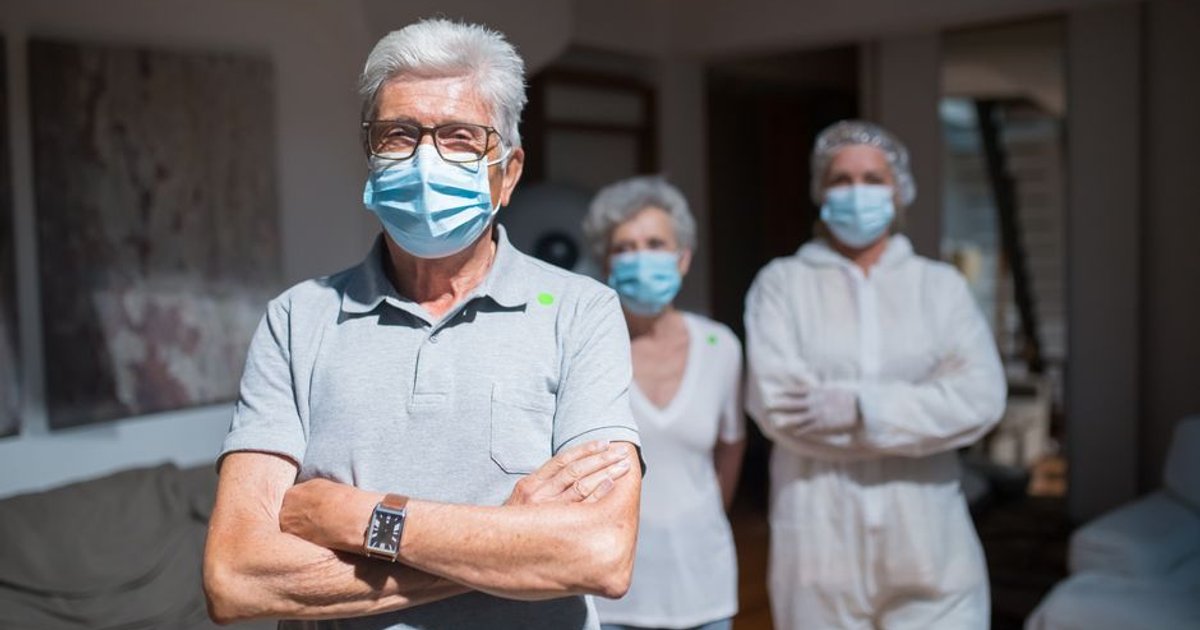
Singapore Expands Free Haze Mask Collection For Seniors Aged 60 And Above: What Households Need To Know
23 Oct 2026
Singapore’s Expanded Haze Mask Distribution: What Families and Helpers Must Know in 2026 and Beyond
Every few years, the smoky haze returns to Singapore, blanketing HDB corridors, private gardens, and playgrounds in an acrid veil that leaves residents coughing and anxious. For households, especially those managing vulnerable seniors, schoolchildren, or helpers with respiratory sensitivities, the haze is more than a seasonal inconvenience. It is an annual test of household preparedness, community response, and government support. In October 2026, as PM2.5 pollution in western Singapore hit a sobering 288, the government announced a bold expansion of its national haze-mask programme, lowering the eligibility age for free mask collection to all citizens aged 60 and above and extending access to a broader range of at-risk groups. This move, informed by years of lessons about air quality, health equity, and household protection, signals a profound shift in the way Singapore helps its residents navigate environmental threats, and offers practical new options for families and domestic helpers striving to safeguard their households.
A New Chapter: Haze, Health, and Household Resilience
Escalating Threat, Sharpened Response. The haze event of October 2026 was not Singapore’s first encounter with hazardous air but it was among the most severe in recent memory. With a 24-hour PM2.5 reading of 288 in the west, far above the “very unhealthy” threshold, families faced difficult questions: Was it safe to send elderly parents outside? Should helpers walk children to school or keep them indoors? In the past, only Singapore citizens aged 67 and above were eligible for government-issued masks, leaving many seniors, helpers, and caregivers to fend for themselves. The move to lower the eligibility threshold to 60, and to provide masks to additional vulnerable groups, signals a recognition that the haze is not just an “elderly issue.” It is a household issue, one that ripples into every aspect of daily life, from helper duties to grocery runs, childcare, and elder care.
Access Made Simple: Where, When, and How. Starting Friday, 23 October 2026, eligible seniors can collect one pack of two haze masks from either a People’s Association community club or from any of 37 designated vending machines. If a senior collected masks during the initial distribution, they are entitled to an additional two; those who missed the first round can receive four masks at a community club. Households can check their nearest collection point at go.gov.sg/hazemask, a move towards transparency and convenience for busy household managers and their helpers.
Expanding the Safety Net: More Than Age. Recognising that vulnerable groups do not fit into neat categories, the expanded programme also serves CHAS Blue and Orange cardholders, Medical Fee Exemption Card holders, ComCare recipients, pregnant women, children aged 7 to 16, and individuals with asthma and related conditions. For families employing domestic helpers, especially those tasked with the care of infants, children, or frail seniors, these measures offer crucial lines of defense. Masks distributed cover international standards: N95, KN95, FFP2, and KF94, ensuring real protection against fine particulate matter.
Behind the Expansion: Why This Matters for Every Household
The Demographic Shift: Age, Health, and Responsibility. Singapore’s steady rise in life expectancy, and the increasing number of seniors living at home, has reshaped how families allocate care resources. Many GoodHelp readers employ domestic helpers specifically for elder care or for families where multiple generations share a home. Lowering the haze-mask eligibility threshold from 67 to 60 instantly includes thousands more households, many of whom have helpers as their first line of defense against haze-related health problems. The inclusion of children 7 to 16, pregnant mothers, and those facing financial barriers reflects a maturing understanding that household health is interdependent: if one member falls ill, the effects ripple through caregiving arrangements, helper schedules, and household budgets.
Closing the Gaps: What Used to Fall Through the Cracks. Prior to this expansion, many older Singaporeans, particularly those just under the old age-67 threshold, relied on the open market for protective masks, paying S$38 to S$100 per box during haze peaks. Helpers caring for them often had to “make do” with less effective masks, disposable cloth, or DIY solutions. With the new programme, both helpers and employers gain clarity: if the senior in their care qualifies, they now have guaranteed access to government-standard masks, removing a layer of friction and uncertainty.
Practical Implications for Households and Helpers. For households that straddle the line between needing everyday help and specialised care, such as those with both school-age children and an elderly parent, the expansion means less fragmentation. The helper’s role becomes less about searching for protective gear and more about actual caregiving. For private and HDB households who may have cut costs by rotating a single mask between family members, the two-to-four mask allocation is still modest but a marked improvement, especially when combined with prudent household planning and helper management.
More Like This


Household Perspectives: Navigating the Mask Rollout
Families with Domestic Helpers: Managing Care and Coverage. GoodHelp readers managing complex households, balancing scheduled helper hours, eldercare, and school commutes, view the haze situation not just as a weather event but as an operational challenge. Helpers who support seniors and children require clear protocols: Who collects the masks? How are they stored? Who gets priority if supplies run low? For many, the answer involves careful calendar planning, equipping helpers with both information and agency, such as sending them to collect the masks with the right documents or teaching them proper mask fitting. Since the government covers only specific vulnerable members, households often need to communicate expectations and supplement supplies for helpers themselves.
Helpers’ Responsibilities and Rights. Helpers, especially those new to Singapore, may not know the risks haze poses or how to navigate local health programmes. When mask eligibility is tied to the official household member and not the helper, it is up to employers to bridge the gap, ensuring helpers have not just access to masks but clear instructions. Smart employers will also use this as a learning moment: teaching helpers to monitor air quality using tools like the CNA haze tracker, scheduling chores to minimize outdoor exposure, and planning meals and errands around peak haze hours.
Families Without Domestic Help: Added Pressure on Household Heads. For those running households without live-in or part-time helpers, the logistical burden can be heavier. Collection trips, mask management, and caregiving during haze spikes fall solely to family members, often sandwich-generation adults juggling jobs and parent care. These readers will find the expanded eligibility brings some relief, but real protection still depends on proactive household planning.
Elderly Living Alone: Risks Remain. Seniors living independently, without a live-in helper or attentive family, face the highest risk. While the mask programme is inclusive in theory, actual access depends on mobility, digital literacy, and social support. Community club staff and volunteers often fill this gap, but GoodHelp recommends that neighbours and families check in on at-risk seniors, coordinate mask collection, and ensure mask fit and usage are properly understood.
From Policy to Practice: Opportunities and Continuing Challenges
Reducing Household Health Inequality. By lowering the eligibility age and adding broad vulnerability criteria, Singapore takes a step towards what policymakers call “health equity in crisis.” But the practical effect depends on ground-level execution. For example, helpers caring for non-citizen seniors or foreigners may still be excluded unless employers step in. Households employing part-time help must still plan ahead, as part-timers rarely live onsite and may lack immediate access to household-provided supplies.
Operational Learning: What Can Families Do Differently? The haze-masks initiative offers a template for household crisis planning. Proactive employers will ensure their helpers are registered for community club notifications, keep copies of key documents (such as seniors’ NRICs), and stock a reserve of masks and filters. Training helpers on proper mask use, haze symptom monitoring, and air purifier maintenance turns temporary government relief into long-term household resilience, whether the haze returns this year or five years from now.
Technology and Transparency: The Role of Digital Platforms. With mask collection locations listed on go.gov.sg/hazemask, and real-time PM2.5 readings available widely online, digital literacy is now as important as physical readiness. Helpers and household heads who can navigate these tools gain a decisive edge. GoodHelp recommends integrating haze alerts into daily WhatsApp or Telegram routines and using app-based reminders to coordinate mask pickups and household safety protocols.
Community Solidarity: Closing the Last Mile. The government programme is robust, but the final step, ensuring masks get from collection sites onto the faces of those who need them, often depends on informal community action. Households can play a leading role by looking out for neighbours, sharing information with helpers, and coordinating group collections for clusters of seniors or families with limited mobility.
Join the conversation
See this article on our social channels.
The haze is not just a test of Singapore’s air quality, but of its social fabric. How we protect the most vulnerable, whether through policy, household management, or community action, will determine the true strength of our response.
Multiple Lenses: How Singaporeans, Helpers, and Agencies Experience the Haze Mask Rollout
Domestic Decision-Makers: Household Control, Helper Support. For GoodHelp readers, the haze-mask expansion is a tool, not a panacea. Household heads weigh the convenience of government collection points against real-world logistics, including helper schedules, errand runs, and care routines. The most successful households are those that communicate openly with their helpers about mask usage, hazard avoidance, and emergency plans, understanding that helpers’ needs are tied to those of the family.
Helpers and Caregivers: Straddling Multiple Roles. Helpers, especially those responsible for multigenerational care, often take on frontline roles during haze season, shielding infants, keeping restless children indoors, assisting frail seniors with breathing difficulties. While government-issued masks do not always cover helpers themselves, the system’s inclusiveness (for example, for caregivers of eligible seniors) removes some ambiguity and encourages stronger partnerships between employers and helpers.
Agencies and Community Groups: Supporting the Network. Employment agencies, town councils, and volunteer groups see the mask programme as both a lifeline and a stress test. They track demand surges, support families with language barriers or digital illiteracy, and advocate for further expansion, such as enlisting agencies to distribute masks directly to helpers or offering briefings in multiple languages at community hubs.
Different Households, Different Priorities. For condo dwellers with multiple part-timers, mask logistics may be a matter of scheduling and convenience. For HDB households dependent on one live-in helper, or for families with limited mobility, access and timeliness compete with affordability. In all cases, the expansion is only as effective as households’ willingness to plan, act, and share responsibility.
Conclusion: Building a Smarter, Safer Household for the Next Haze
The 2026 haze-mask expansion is more than just a public health response. It is a wake-up call for every Singapore household, private and HDB, with helper or without, to reexamine their preparedness in the face of recurring environmental threats. For GoodHelp readers, the message is clear: the best line of defense is proactive, not reactive. Households that invest in crisis planning, transparent communication with helpers, and a culture of mutual support will not just weather the haze, but thrive in spite of it. As Singapore’s demographics shift and environmental risks evolve, the ability to adapt quickly, to collect masks, educate helpers, and support community action, will define the new standard for household confidence and competence.
The future of Singapore’s haze response will not rest on government policy alone. It will be built by families, helpers, and neighbours who understand that household health is a shared responsibility, and who act with foresight, empathy, and collective resolve. Now is the time to set that standard, for the safety and well-being of all who call Singapore home.