
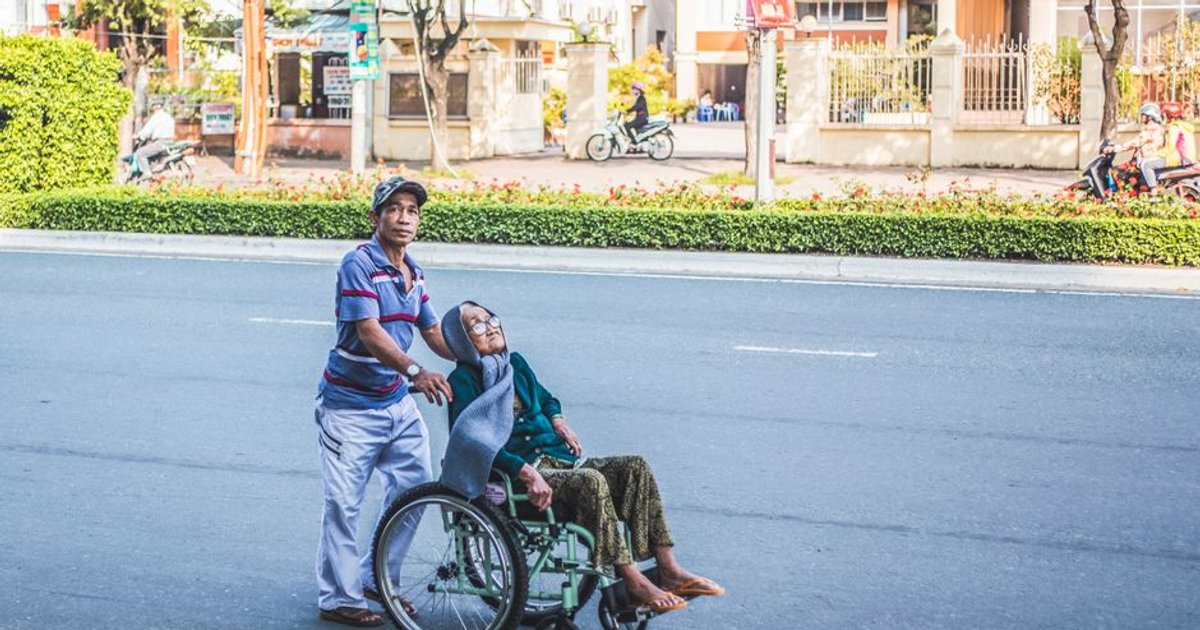
Affordable Cruises From Singapore For Elderly Wheelchair Users: Practical Guide For Families And Helpers
18 Oct 2026
Cruising with Comfort: A Practical Guide for Singapore Households Managing Elderly Wheelchair Users
For many Singapore decision-makers managing elder care, and those tasked with household budgets, choosing a cruise for an elderly family member using a wheelchair raises both exciting opportunities and unique challenges. The promise of hassle-free accommodation, meals, and scenic itineraries often collides with the realities of mobility barriers, companion arrangements, cruise insurance, helper compliance, and true trip costs. This article unpacks how families can balance affordability, accessibility, and their responsibilities as employers, while maintaining peace of mind and avoiding costly mistakes. Whether you are learning how to find maid in Singapore for elder care, evaluating maid insurance Singapore, or planning to save money on household expenses Singapore, these insights will help you make defensible, forward-thinking choices. (see the r/asksg discussion)
Key Trends and Strategies for Accessible, Affordable Cruising
Accessibility Is a Chain, Not a Single Feature
Many cruise lines serving Singapore now offer wheelchair-accessible cabins and mobility assistance, but a "cheap fare" is only valuable if the entire travel chain, from home to ship, and back, works for your household. True affordability means planning for accessible cabins, embarkation support, in-cabin bathroom layouts, port logistics, helper duties, and relevant household insurance Singapore rather than just chasing the lowest ticket price.
Comprehensive Costing and Risk Protection
Trip costs for an elderly wheelchair user extend well beyond the advertised cruise fare. These include premiums for accessible cabins, private transport to terminals, additional medication, a helper’s travel expenses, and insurance for both passenger and helper. Travel insurance must cover age, pre-existing conditions, mobility aids, and medical evacuation. Similarly, employers must maintain appropriate maid insurance Singapore and fire insurance Singapore, ensuring compliance and peace of mind.
More Like This





Helper Arrangements: Legal and Practical Nuances
Singapore employers must distinguish between legal employer responsibilities and the actual care needs of an elderly family member. If your domestic helper Singapore is expected to accompany an elder, clarify duties, rest time, insurance, and documentation before booking. Helpers are not clinical nurses, and their role cannot be assumed to cover continuous personal care or manual lifting, especially on a moving vessel.
Itinerary and Ship Selection: The Real Value Equation
A short, accessible cruise with reliable boarding facilities and minimal "tender" ports (where small boats are required for shore excursions) is often better value than a longer “cheap” trip with inaccessible ports or cabins. Demand written confirmation from the cruise line regarding all accessibility needs before booking, as ship design, itinerary, and policies are highly variable and may change.
Audience-Centric Segmentation: Household Types and Their Cruise Planning Needs
- Condominiums: Typically offer better access to private transport solutions, on-premise helper accommodation, and more flexibility in pre-cruise preparations. However, higher costs may increase pressure to economise on helper travel or insurance, making careful budgeting essential.
- Private Housing: Offers the highest control over helper management and home security during absence. Opportunities exist for tailored insurance and flexible household care arrangements, but large home footprints may require additional security and planning when the household is away.
- HDB/Public Housing: Households here are often more cost-conscious, may rely more heavily on maid agency Singapore recommendations, and have less helper accommodation flexibility. The challenge: balancing budget constraints with the need for proper accessibility, insurance, and helper compliance for the trip.
State and Recommendations: Actionable Guidance for Singapore Decision-Makers
- Start with a clear, written care and mobility profile of the passenger, detailing wheelchair dimensions, transfer needs, medication, and personal care requirements.
- Shortlist ships and itineraries with confirmed accessibility, focusing on minimal tender ports, direct pier access, and a medical centre on board.
- Contact the cruise’s accessibility team before booking and confirm arrangements in writing, including for cabin suitability, bathroom design, public area access, and shore excursions.
- Budget thoroughly: include costs for accessible upgrades, helper fares, travel to terminals, travel insurance, accessible excursions, and contingency for medical events.
- Clarify the helper’s role in advance. Do not expect a domestic helper to perform clinical lifting or constant night supervision, consider specialist care or additional support if needed.
- Check all insurance policies for overseas coverage, cruise-related events, and helper statutory requirements. Review policy wordings and get written assurances for exclusions and limitations.
- Protect your home before departure. Review household insurance for unoccupied conditions, valuables, and accidental damage clauses.
- Conduct a local “test run” with the elder, involving public transport, meals, and a public-access restroom, to identify potential mobility or support gaps before committing to the cruise.
Household Type Comparison: Challenges and Opportunities
- Condominiums: Easier transport logistics; helper privacy maintained during absence; higher costs require disciplined budgeting.
- Private Housing: Flexible helper arrangements and home security; highest insurance needs; opportunities for professional elder care hiring.
- HDB/Public Housing: Budget restrictions; possible insurance premium sensitivity; often rely more on agency advice for helper selection and risk management.
Summary Comparison Table
| Aspect | Finding the Right Helper | Simply Finding an Available Helper |
|---|---|---|
| Live-in vs Part-time | Fits complex care routines; more continuity | Limited availability; increased risk of care gaps |
| First-time Helper vs Experienced | Higher training need, but possible loyalty | Faster adaptation, but may resist change |
| Skills vs Attitude | Prioritises ability to learn, adapt, manage emergencies | Depends on past experience; fit not guaranteed |
| Cultural Fit vs Resume Fit | Reduces conflict, improves communication | May lead to misunderstandings, missed care needs |
| Infant Care vs Elder Care vs Household Care | Specialised skills and routines | Generalist may not meet specific needs |
| Agency vs Direct Hire | More support, structured process | Potential cost savings, but higher risk |
| Premium Agency vs Standard Agency | Custom matching, support, higher upfront cost | Basic matching, less aftercare, risk of mismatch |
| Higher Salary vs Better Fit | Better overall household harmony | Short-term savings, higher turnover risk |
| Short-term Trial vs Long-term Relationship | Invests in loyalty, reduces future search costs | Frequent changes, less stability |
| Employer Responsibilities vs Helper Expectations | Compliant, fair, transparent relationship | Potential disputes, legal risk |
| Comprehensive Insurance vs Cheapest Insurance | Fewer gaps, full risk coverage | Higher exposure, may miss key risks |
| Over-insuring vs Under-insuring | Resilience in crises, higher upfront costs | Low cost until a crisis occurs |
| Household Convenience vs Cost | Peace of mind, less disruption | Increased risk of emergencies or gaps |
| Saving Money vs Cutting Corners | Strategic, long-term savings | Short-term relief, long-term regret |
Quote for the Forward-Thinking Household
"The cheapest cruise, helper, or insurance policy is never the best bargain if a household faces an uncovered medical event, an exhausted helper, or an elder confined to an unsuitable cabin. Plan for real needs, not headlines, and put safety above short-term savings."
Conclusion: Strategic Importance and What Comes Next
Singapore households looking to find helper in Singapore or plan stress-free elder travel must view affordable cruising as a chain of interlinked responsibilities, not a series of loosely-connected bargains. The groundwork, from mobility profiles to maid insurance Singapore compliance, helper role clarification, and risk-insured travel, protects both passengers and employers from predictable mishaps.
Looking ahead, as cruise lines and agencies step up their accessibility game, families will benefit most by demanding transparency, confirming details in writing, and keeping employer obligations distinct from care plans. Success comes from strategic planning, fitting the helper, household, and trip together, rather than hoping for a single all-in-one bargain. Investing in stability, long-term fit, and robust insurance will continue to deliver the best results for the GoodHelp community and beyond.