
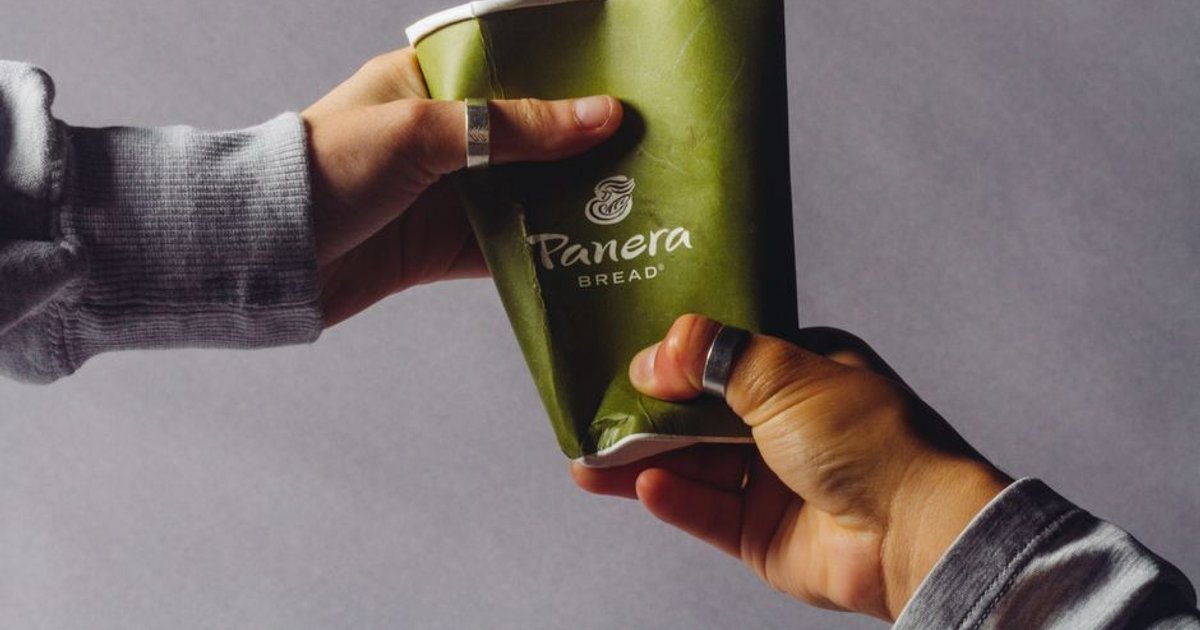
Panera Charged Lemonade Lawsuits Settled: What Parents And Consumers Need To Know About Caffeine Risks
22 Sept 2026
Panera’s Charged Lemonade: A Cautionary Tale of Caffeine, Lawsuits, and Consumer Safety
In the rapidly evolving landscape of fast-casual dining and beverage innovation, Panera Bread’s “Charged Lemonade” captured headlines for reasons no brand desires: a series of tragic events, high-profile wrongful death claims, and critical scrutiny over the marketing of highly caffeinated beverages. In the aftermath of public outcry and legal fallout, Panera’s decision to discontinue the controversial product marked a pivotal moment, forcing both the food industry and consumers to reexamine the real-world risks lurking behind seemingly ordinary drinks. This exposé untangles the events that led to litigation, analyzes the lessons exposed through legal settlements, and charts the proactive strategies that families, industries, and regulators must adopt in the wake of these sobering incidents.
The Rise and Retreat of “Charged Lemonade”
Innovation Meets Unintended Consequences. When Panera introduced Charged Lemonade, it capitalized on the surging demand for functional beverages, drinks meant to energize and refresh, often blurring the boundaries between sodas, teas, and energy drinks. With vibrant marketing and placement beside classic lemonades, the product appeared approachable, even wholesome, in the context of a family-friendly café. Yet, the very features that promised elevated energy, a substantial caffeine load, guarana, and green-tea extracts, became hazards for specific vulnerable populations.
The Hidden Potency of Caffeine. Most Americans are familiar with the stimulating effects of coffee or soda, but the caffeine content in a single large Charged Lemonade was commonly equivalent to multiple cups of coffee, far outpacing soft drinks. This potent formulation was not always obvious to consumers. According to reporting from NBC News, the lawsuits alleged that Panera failed to provide adequate warnings, contributing to a mismatch between consumer expectations and the product’s actual effects.
The Human Cost: Real Stories Behind the Settlements
Sarah Katz: A Life Cut Short. The first wave of heartbreak arrived in 2022, when Sarah Katz, a 21-year-old University of Pennsylvania student known for her academic promise and community commitment, suffered a fatal cardiac event. Katz, who had Long QT syndrome, a heart rhythm disorder that increases risk for sudden cardiac arrest, was not aware of the drink’s caffeine content. Her family’s wrongful-death suit settled in October 2024, with the case serving as a rallying point for advocates urging greater transparency in food and beverage labeling.
Dennis Brown and Lauren Skerritt: Cardiac Catastrophes. In a separate, equally tragic case, Dennis Brown reportedly consumed three Charged Lemonades before suffering a fatal cardiac arrest in October 2023. His family’s allegations mirrored those in the Katz suit: the caffeine content was not sufficiently communicated, and the product was deceptively presented. Meanwhile, Lauren Skerritt survived but endured permanent cardiac injuries after consuming approximately two and a half servings. Each case amplified calls for reform and highlighted the unpredictable dangers for individuals with undiagnosed or latent heart conditions.
Luke Adams: A Near Miss. The story of Luke Adams, a teenager who required resuscitation after drinking Charged Lemonade, underscored the product’s risks for young people, a demographic especially vulnerable to marketing that equates “lemonade” with safety.
More Like This




Patterns and Precedent: Legal and Regulatory Shifts
Settlements Without Class Actions. All four major lawsuits related to Panera’s Charged Lemonade, including those on behalf of Katz, Brown, Skerritt, and Adams, concluded with confidential settlements. The final three were dismissed with prejudice in July 2025. Notably, these resolutions did not include a class-action process or a publicly administered compensation fund for other affected consumers, differentiating them from cases such as mass torts over pharmaceuticals or defective devices.
Regulatory Gaps Exposed. Unlike alcohol or tobacco, caffeinated beverages do not face tightly regulated warning label requirements in the US, except when they fall under the “energy drink” category, a definition reliant on both ingredients and marketing. The Charged Lemonade controversy revealed how easy it is for a high-caffeine beverage to occupy a legal gray zone, especially when marketed as a “lemonade” rather than an energy drink. Consumer advocates and physicians have since called for a reevaluation of labeling standards and retail practices.
Strategic Market Withdrawal. Panera’s choice to discontinue Charged Lemonade was a direct response to these events and ongoing negative publicity. By pulling the drink, the company sought both to limit further liability and signal responsiveness. However, critics argue that the move came too late for the victims’ families and left systemic questions unresolved.
Comparative Perspectives: Industry, Advocacy, and the Consumer Lens
Industry’s Risk Calculus. To food and beverage executives, the Charged Lemonade episode is a stark illustration of the risks accompanying product innovation without comprehensive consumer education. Where brands see opportunity for differentiation and margin, the absence of robust warning practices exposes them to reputational and financial fallout. Some in the industry have since reviewed their own labeling, menu design, and staff training procedures.
Advocacy’s Urgent Call. For consumer and patient safety advocates, this case represents the tip of a growing iceberg. They point to the increasing normalization of stimulants in everyday foods and drinks, and the outpaced ability of parents and young people to recognize health risks. As highlighted by the BBC, calls for mandatory caffeine disclosure and limits have intensified, particularly for beverages with colorful, fruit-forward marketing.
For Today’s Consumer. Many consumers, especially parents, have swiftly internalized new rules of thumb: read nutritional labels closely, scrutinize ingredient lists for caffeine, guarana, and green-tea extract, and teach adolescents to treat energy drinks and their lookalikes with the same caution as over-the-counter medicines. The American Academy of Pediatrics’ guidelines against caffeine for children and adolescents now serve as an essential reference.
Join the conversation
See this article on our social channels.
Practical Takeaways: Redefining Beverage Safety at Home
Don’t Judge by the Flavor or the Name. A central lesson from these lawsuits is not to assume that “lemonade,” “tea,” or “fruit punch” signals a benign beverage. Families are urged to check labels, consider underlying heart or health conditions, and understand that serving size and cumulative consumption matter. For instance, the reported injuries linked to Charged Lemonade resulted from as little as one serving in some cases, and as much as three in others.
Situational Awareness for High-Risk Groups. The presence of a heart condition, history of fainting, palpitations, or use of prescribed stimulants should automatically raise concern about stimulant beverages. Parents and caregivers are reminded never to offer these products to children, and to seek immediate medical attention for symptoms like chest pain, fainting, irregular heartbeat, or confusion following caffeine consumption.
New Norms for Youth and Caffeine. With the proliferation of “energy-style” drinks, it is more important than ever to reinforce safe beverage habits early. Pediatricians recommend water or caffeine-free options as the standard choice for children in all settings, from home meals to school lunches to family outings.
Forward-Thinking Insights: Toward a Safer Marketplace
Responsible Innovation and Transparent Marketing. The Charged Lemonade case is a cautionary blueprint for any company seeking to capture the functional beverage market. Ongoing innovation must be coupled with clear communication and real-world awareness of consumer expectations and vulnerabilities. Placing stimulating drinks alongside classic sodas or lemonades, for example, can mislead even attentive shoppers.
Emergence of Best Practices. In the wake of Panera’s settlements, some competing brands have updated signage and digital menus to emphasize caffeine content. Others have instituted staff prompts to check for allergies or health risks before serving high-caffeine options. While the industry is far from uniformity, the direction is set: transparency and careful segmentation of beverage offerings will be central to both safety and trust.
Policy Acceleration and Regulatory Reform. Legislative efforts at both state and federal levels are now considering new rules for caffeine labeling and marketing to minors. If adopted, such reforms could help prevent repetition of the Panera tragedy, but the speed of regulation often trails market innovation. In this gap, social responsibility and third-party oversight will remain critical.
The Panera Charged Lemonade episode underscores that in an era of bold innovation, consumer safety hinges not just on product formulation, but on the clarity of every message delivered to the public, risk awareness must travel as quickly as the trends themselves.
Conclusion: The Road Ahead, Strategic Vigilance for the Next Beverage Frontier
The resolution of Panera’s Charged Lemonade litigation marks not the end, but a crucial inflection point in the story of food innovation and consumer protection. As other brands race to create the next “it” drink, the lessons are clear: perform risk assessments across all demographics, treat transparency as a moral and business imperative, and never let marketing outpace the science of safety. Consumer vigilance must rise to match industry ingenuity. Only through cross-disciplinary partnerships, among regulators, industry, families, and health professionals, can future tragedies be averted.
The strategic importance of these lessons cannot be overstated. Modern brands face a consumer base that is more informed and less forgiving. As the case of Charged Lemonade proved, a single misstep can carry consequences far beyond legal settlements, it can redefine an entire market’s relationship to trust, transparency, and well-being. The forward path is clear: innovate boldly, but label, educate, and safeguard even more boldly still.