Why Small Appliances Trip Your Circuit Breaker in Thailand: A Practical Guide
28 Nov 2026
Many residents living in Thailand, including expats, retirees, and families, experience sudden power trips when using everyday appliances. Even small appliances like kettles, microwaves, toasters, or hair dryers can trip a home's circuit breaker if too many are used together on a single circuit. This guide explains how this happens, how to calculate safe usage, what warning signs to watch for, and when to call a professional. These tips help anyone managing a home in Thailand, such as those "living in Hua Hin," an "expat in Hua Hin," or anyone arranging help from a "housekeeper in Thailand" or a "plumber in Hua Hin."
Why Do Circuit Breakers Trip in Thai Homes?
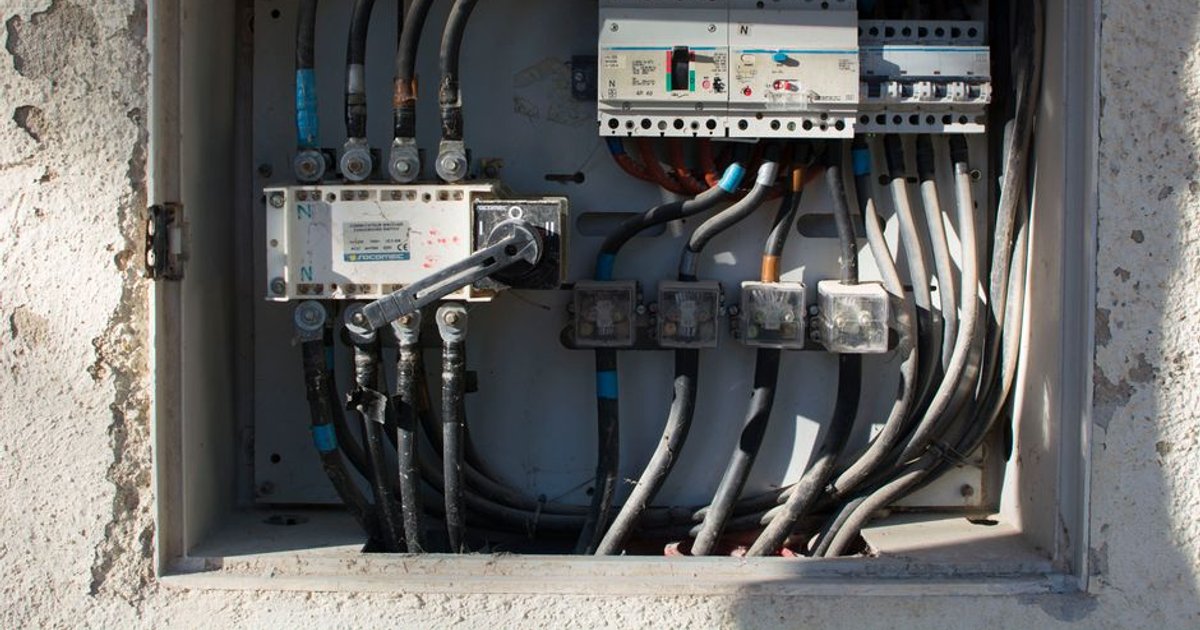
Circuit breakers are a safety feature in your home's electrical system. They disconnect the power if too much current flows through a circuit. In Thailand, the typical household voltage is 230 volts. Most circuits are rated for 15 or 16 amps, sometimes 20 amps, but this can vary. If the combined wattage of appliances plugged into the same circuit gets too high, the breaker will trip to prevent overheating and reduce fire risk [source].
Appliances with heating elements or motors, like kettles, irons, hair dryers, toasters, rice cookers, and microwaves, often draw 1,000 to 2,500 watts each [source]. Used together, they can quickly exceed a safe load.
How to Calculate Appliance Loads
To avoid overloading a circuit, add up the wattages shown on each appliance’s nameplate (not just an average from the internet). Use this simple formula:
Current (amps) = Power (watts) ÷ Voltage (volts)
For example, in Thailand’s 230 V system:
- 1,500 W kettle: about 6.5 amps
- 1,200 W microwave: about 5.2 amps
- 1,800 W hair dryer: about 7.8 amps
All together, these draw about 19.1 amps. Just two or three such appliances can overload a 15 or 16 amp circuit [source].
Always check the actual ratings on your appliances and stay within the breaker’s allowed load. Never assume an appliance is "small" just because of its size.
Warning Signs of Electrical Problems
A single breaker tripping during heavy appliance use is usually an overload. However, repeated trips, especially with only one or two appliances, may mean there is a more serious problem: damaged wiring, loose terminals, earth leakage, or a faulty breaker [source].
Stop using any socket, extension lead, or appliance that:
- Feels hot or is discoloured
- Is buzzing, sparking, or makes a burning smell
- Makes the breaker trip even with only a light load
If you already use help such as a "housekeeper in Thailand" or book "house cleaning in Thailand," make sure they know about these warning signs too.
What to Do When the Breaker Trips: Practical Steps
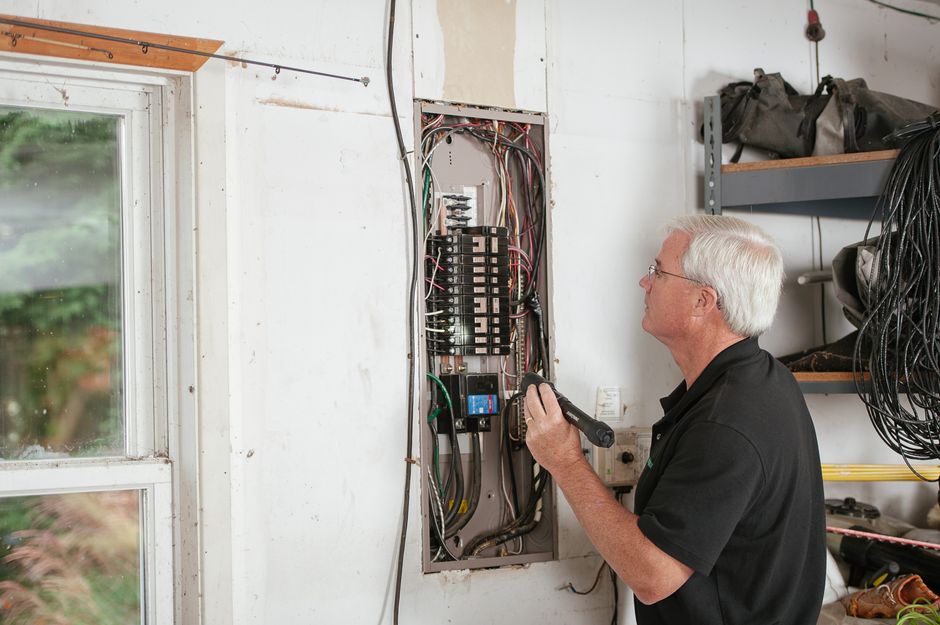
- Unplug all appliances from the affected circuit (outlet group).
- Reset the breaker once at the distribution board (consumer unit).
- Reconnect appliances one by one, checking if the circuit stays on after each one.
- Stop using any appliance, extension, or socket that is hot, discoloured, buzzing, or smells of burning.
- Don’t run multiple high-wattage appliances together on the same circuit or outlet group. Examples: kettle with a microwave, toaster, iron, or water heater.
- Avoid cheap multiplugs or extension cords for heavy appliances. These may overheat and fail.
- Do not fit a higher-rated breaker just to stop nuisance trips. This can allow wiring to overheat and cause fire. Only a qualified electrician can confirm if wiring and sockets are suitable for a bigger breaker [source].
- If the breaker trips again with only one appliance, or trips repeatedly with modest loads, call a qualified electrician for inspection. See the section below for local providers found on Google Maps.
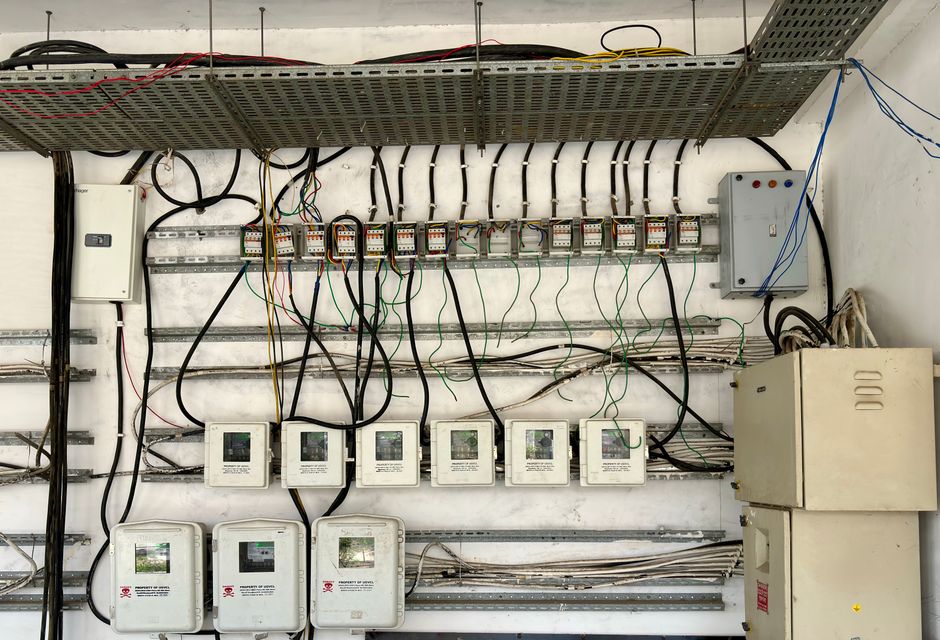
- Check the distribution board to see which rooms or outlets are on the same circuit. Sometimes one breaker supplies several rooms.
- If you rent, live in a condo, or use building management, ask the landlord, juristic office, or management to arrange a licensed technician.
When to Call a Professional, and What It Costs
If you cannot solve the tripping problem, or suspect faulty wiring or appliances, contact a licensed electrician. Never continue to reset a tripping breaker without finding the cause.
Typical cost estimates (these vary by province, urgency, technician, and exact work) [source]:
- Basic call-out or minor repair: ฿500, ฿1,500 (estimate, not a national tariff)
- Inspection or load diagnosis: ฿1,500, ฿3,500 (estimate)
- Replace a circuit breaker: ฿500, ฿1,000 (depends on model, materials)
- Add a socket on an existing route: ฿1,200, ฿5,500 (varies by access and materials)
- Install a new dedicated circuit from the main board: ฿4,500, ฿12,000 (estimate)
- Install RCD/RCBO protection (recommended for safety): ฿1,500, ฿3,500 (estimate)
- After-hours emergency visit: ฿2,500, ฿6,500
Always ask what your quotation includes: travel, cable, breaker, VAT, testing, and if building approval is needed [source].
Local Electrical Providers in Bangkok (from Google Maps)
The businesses below are found on Google Maps. We have not tested them; please check their details and prices before booking.
- GRS Electrical Service, Bangkok, Electrical installation service, Google rating: 5.0, Area: Sai Mai, Bangkok. View on Google Maps. Phone: 099 221 2668. Website
- ช่างควร บ้านหม้อ, Electrical repair shop, Google rating: 5.0, Area: Phra Nakhon, Bangkok. View on Google Maps. Phone: 086 012 4769.
- สมนึกการไฟฟ้า, Electrician, Google rating: 5.0, Area: Bang Kho Laem, Bangkok. View on Google Maps. Phone: 02 212 9715.
- WE Service.✓ช่างไฟฟ้า×ช.ประปา 24 Hr., Electrician, Google rating: 5.0, Area: Suan Luang, Bangkok. View on Google Maps. Phone: 083 452 3953. Website
- Fast Fix ช่างไฟฟ้า Electrician ช่างประปา Technician คอนโด บ้าน Office, อโศก Asoke, Electrician, Google rating: 5.0, Area: Khlong Toei, Bangkok. View on Google Maps. Phone: 061 810 3225. Website
- ช่างไฟฟ้า, Electrician, Google rating: 5.0, Area: Sai Mai, Bangkok. View on Google Maps. Phone: 091 446 8556.
For any new installation, upgrade, or inspection, you can contact one of these providers. Always review their current details, ask questions, and request a written quotation as described above.
How to Find a Good Electrician in Thailand
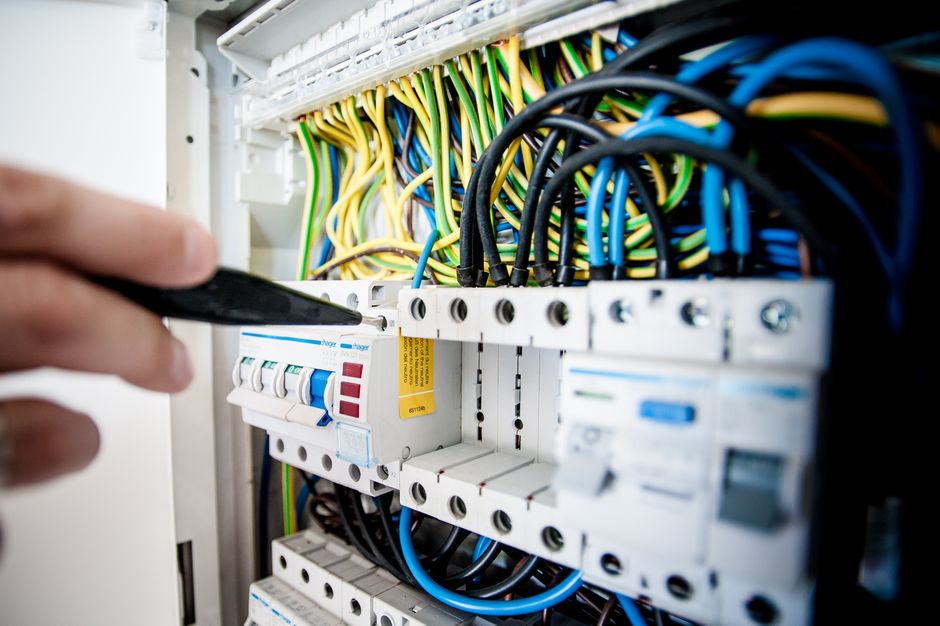
In Thai homes, many people book technicians through the local building office, a landlord, an appliance service center, or a home-service marketplace. For local providers found on Google Maps, see the section above.
- A written quotation in baht, listing details of the work and parts
- The technician’s experience with consumer units and circuit protection
- Proposed cable size, breaker rating, and RCD/RCBO arrangement
- Testing of earth continuity and insulation
- Warranty or receipt
- Handling of any necessary building or condominium approval
There is no single fixed nationwide price, and places with more expats, such as "living in Hua Hin" or "expat Hua Hin", can sometimes see higher prices than rural areas.
For any safety checks or new work, always request RCD (residual-current device) protection, which can greatly reduce risk of shock or fire [source].
Common Mistakes to Avoid
- Running several high-wattage appliances together on one outlet group
- Using cheap multiplugs or power strips for heating appliances
- Ignoring frequent tripping or resetting a breaker many times without investigation
- Replacing a breaker with a higher-rated one yourself
- Assuming "small" appliances cannot overload a circuit
- Not checking the actual wattage rating on the appliance itself
- Leaving faulty or hot equipment connected
- Not arranging a qualified inspection when wiring or outlets seem damaged
Conclusion
Power trips in Thai homes often have a simple cause: too many heating or motor appliances running together. For most households, including expats and anyone arranging cleaning or repair services, it is important to understand appliance loads, know warning signs, and use qualified electricians for repairs or upgrades. Always stay within circuit ratings, and never ignore repeated breaker trips or warning signs of overheating. Safety comes first for anyone living in Thailand, whether in a city, a provincial area, or a popular "expat Hua Hin" community. If you need local providers, see the section above for options found on Google Maps.
Frequently asked questions
Can I use a kettle, toaster, and microwave at the same time in a Thai home?
Usually not on the same circuit. Their combined load often exceeds what a typical 15 or 16 amp circuit can handle, and this will trip the breaker. Use one high-power appliance at a time per circuit [source].
What should I do if my circuit breaker keeps tripping?
Unplug all appliances, reset the breaker once, then reconnect appliances one by one to find the problem. If it still trips, or if there are signs like hot or burnt outlets, call a qualified electrician for inspection. See the section above for local providers found on Google Maps. [source].
How much does it cost to fix a power trip in Thailand?
Call-out or minor repair fees are commonly estimated at ฿500, ฿1,500. More involved inspections or upgrades can cost more. Prices always vary by location, time, complexity, and what parts are needed; get a written quote [source].
Can my housekeeper in Thailand or a "plumber in Hua Hin" fix electrical trips?
Only a qualified electrician should repair or upgrade circuits and breakers. A housekeeper or plumber may help unplug appliances or observe problems, but should not attempt electrical repairs unless licensed for such work. If needed, see the section above for local providers found on Google Maps. [source].
Is it legal to upgrade a breaker if trips annoy me?
Never upgrade a breaker just to stop trips without an electrician’s inspection. The wiring, socket, and installation must all suit the higher rating, or fire risk increases. Upgrades should only be done by a qualified technician following local Thai standards. If needed, see the section above for local providers found on Google Maps. [source].
Related guides
- Setting Up Your Family Home, Schooling, and Hiring Helpers in Thailand: A Practical Guide for Expats
- Robot Cleaner Safety: A Practical Guide for Protecting Pets in Thailand Homes
- Your Practical Guide to Household Costs and Services in Hua Hin, Thailand
How GoodHelp can help
- Good local businesses: Shops and services near you that locals recommend, with deals for GoodHelp members.
- All Thailand guides: Guides to running a home and living well in Thailand.