Singapore Emergency Medical Plan For Domestic Helpers: How To Find The Nearest 24-Hour Clinic And Hospital For Your Household
25 Oct 2026
Emergency Medical Planning for Domestic Helpers: A Strategic Guide for Singapore Households
Hiring a domestic helper in Singapore is a step many households take to support childcare, elder care, and household management. However, emergencies can happen at any time, and many families do not have a clear plan for when their helper falls ill or is injured. Without an effective, location-specific strategy, the wrong decision can lead to delays, unnecessary expenses, and increased risk for everyone at home.
If you are looking to find maid in Singapore, or to find helper in Singapore, it is crucial to look beyond basic availability and focus on how your household will protect both the helper and other family members in a crisis. This article from GoodHelp offers strategic, unbiased advice on preparing for medical emergencies, drawing on Ministry of Health directives and best practices for safe, efficient, and cost-effective care. We will discuss key trends, actionable steps, and tailored recommendations for different types of Singapore homes, whether you reside in a condominium, private property, or HDB/public housing. You will also learn how to leverage maid insurance Singapore, compare maid agency Singapore options, and save money on household expenses Singapore without compromising safety or legal requirements.
Key Trends and Strategies
Redefining “Nearest” Medical Care: Suitability Over Proximity
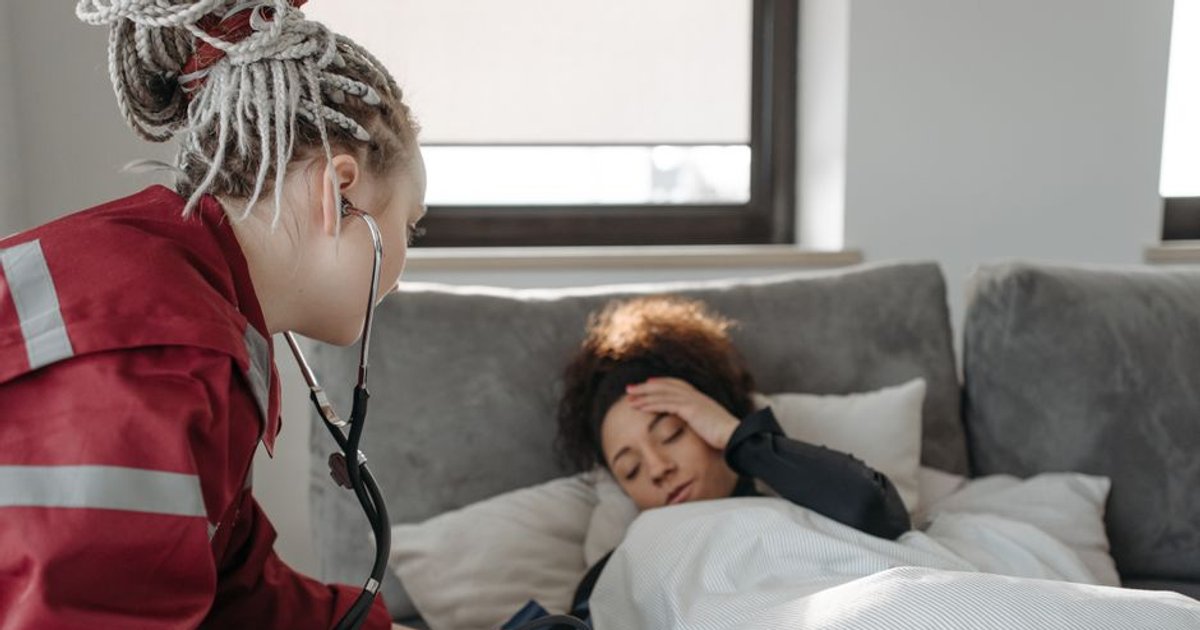
Traditionally, “the nearest clinic” meant the one physically closest to your address. Current best practice, however, means identifying the most appropriate level of care for the condition, not just the nearest. For mild to moderate symptoms, a 24-hour GP clinic or family doctor is often ideal, while emergencies require a direct call to 995 and a hospital Emergency Department. The Ministry of Health explicitly advises that Emergency Departments are for true emergencies, and non-critical cases should start with primary care, both to improve outcomes and to control costs.
[Read MOH’s emergency guidance]
Proactive Communication and Clear Household Protocols
Helpers may be unfamiliar with Singapore’s healthcare system, unsure about reporting illness, or worried about cost and job security. A transparent, written medical protocol encourages early reporting, prevents escalation of mild conditions, and ensures that care is not delayed for financial or administrative reasons. Information such as the nearest clinic’s name, address, emergency contacts, and insurance details should be stored where both employer and helper can access it easily.
Insurance: More Than a Policy Document
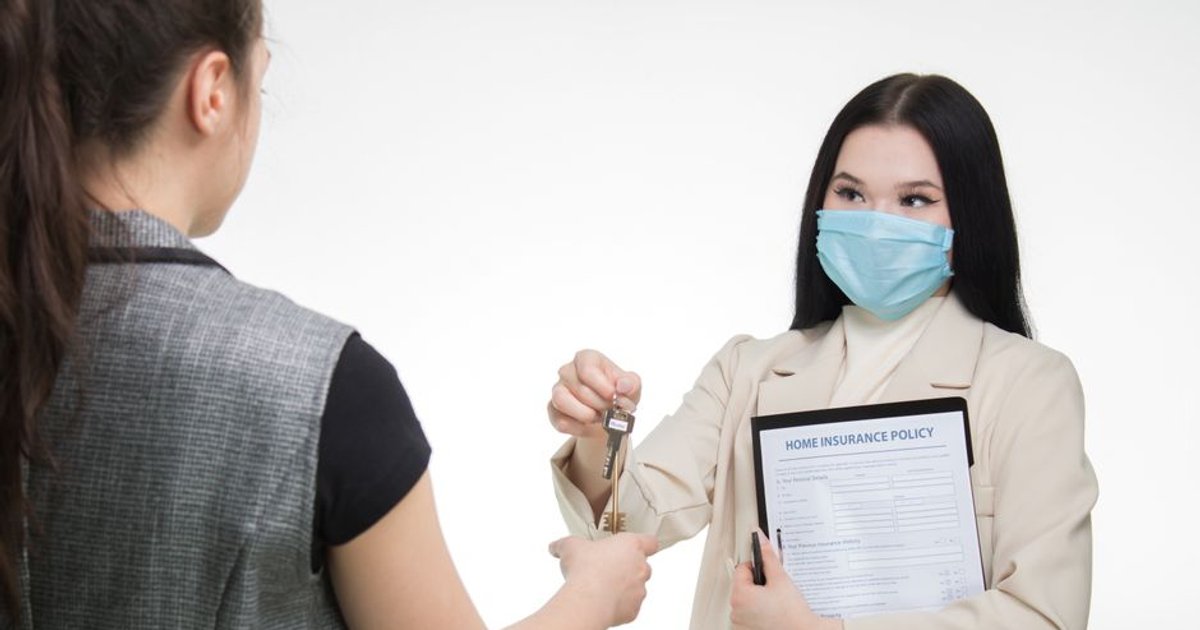
Comprehensive maid insurance in Singapore is required by law. Yet, many employers do not review claim procedures, coverage limits, or network clinic requirements until after an incident occurs. Strategic households treat insurance as an operational system, maintaining up-to-date policy details, insurer hotlines, and a running log of claims and receipts to ensure timely reimbursement and avoid unnecessary disputes.
Join the conversation
See this article on our social channels.
Segmented Clinic Selection: Tailoring Plans to Your Location and Needs
A national clinic directory is less effective than a hyperlocal, verified plan. Identify at least two practical 24-hour GP clinics within easy reach, and confirm their current hours by phone through the official provider site before traveling. Understand which clinics are open during holidays and which accept your insurance.
Special Needs: Infants and Elderly Family Members
If your helper will care for infants or elderly family, ensure your emergency plan covers paediatric and geriatric scenarios. Written care instructions, allergy lists, and direct contacts for paediatricians or specialists should be readily available. The helper should know when to escalate to 995, especially for younger children or seniors, who may show atypical or rapidly changing symptoms.
State and Recommendations: Actionable Steps for Households, Agencies, and Employers
- Create a clear, written emergency protocol with simple steps: when to call 995, which clinic to use for non-emergencies, and what documents and contacts to bring.
- Save all critical numbers (including 995, nearest 24-hour clinic, preferred hospital, insurer hotline, and employer contacts) in both your phone and the helper’s phone.
- Practice the route to your chosen clinic and hospital with your helper. Adjust your plan for peak-hour, heavy rain, or late-night constraints.
- Review your maid insurance Singapore policy in detail. Know coverage, claim deadlines, and whether pre-authorization or panel clinics are required for outpatient visits.
- Establish a routine reporting culture where the helper is expected to immediately report illness or injury, without fear of penalty or salary deduction for seeking needed medical attention.
- Include emergency planning as part of your onboarding and training if you routinely seek to find helper in Singapore, especially for infant and elder care roles.
- For condominiums and private housing: Consider onsite security and concierge options for after-hours access to transport or to receive paramedics; you may be able to arrange for ambulance access points or special assistance at your building.
- For HDB/public housing residents: Identify nearby 24-hour clinics and the fastest taxi or ride-hailing routes, especially if car ownership is not practical. HDB areas may have denser 24-hour clinic coverage, but travel times can still be affected by late-night availability.
- Maintain a medical folder with the helper’s work permit, insurance, known allergies, current medications, and recent medical reports. Keep a digital backup for swift sharing.
- Update your plan every six months or after a household change (move, new helper, new insurer, or a recent emergency event).
Comparison Table: Strategic Approaches in Helper Selection and Emergency Planning
| Factor | Finding the right helper | Simply finding an available helper |
|---|---|---|
| Live-in vs Part-time | Consistent presence for emergencies; better integration for medical planning | Limited availability, less reliable for after-hours care |
| First-time helper vs Experienced | Opportunity for tailored training in household’s protocols | May require additional guidance on Singapore’s emergency procedures |
| Skills vs Attitude | Balance technical ability with willingness to communicate and learn protocols | May have skills but less adaptable to your household’s unique needs |
| Cultural Fit vs Resume Fit | Enhances trust and smooth communication during emergencies | High risk of misunderstanding or delayed reporting under stress |
| Infant Care vs Elder Care vs General Household Care | Specialized plans for each group; requires targeted medical readiness | General plans may overlook unique risks for most vulnerable |
| Agency vs Direct Hire | Agencies may provide medical onboarding support and ongoing guidance | Direct hire requires more employer initiative in planning |
| Premium Agency vs Standard Agency | Premium agencies may offer better training and documentation support | Standard agencies may provide only basic placement |
| Higher Salary vs Better Overall Fit | Competitive pay attracts helpers willing to report and manage health proactively | Lower pay may result in higher turnover or risk aversion in reporting illness |
| Short-term Trial Mindset vs Long-term Relationship | Long-term allows for household-specific emergency routines and learning | Short-term may skip thorough protocol training or planning |
| Employer Responsibilities vs Helper Expectations | Clear mutual understanding prevents delay and confusion | Risk of unmet obligations or insurance issues in emergency |
| Comprehensive Insurance vs Cheapest Insurance | Ensures readiness for real-world medical scenarios | May lead to unexpected out-of-pocket costs and delays |
| Over-insuring vs Under-insuring | Right-sizing coverage protects against both unnecessary cost and risk | Under-insuring exposes household to emergency financial shocks |
| Household Convenience vs Household Cost | Efficient plans save time and avoid expensive mistakes | Cutting corners increases exposure and long-term costs |
| Saving Money vs Cutting Corners | Strategic spending (right clinic, right time) | False economies if care is delayed or inappropriate |
Segmentation: Challenges and Opportunities by Housing Type
Condominiums
- Opportunities: Access to on-site security, concierge services, and designated pick-up points can facilitate faster response in an emergency. Pooling resources among residents for shared first-aid and emergency planning is possible.
- Challenges: Larger estate size can mean longer time for ambulances to reach specific units; helpers must know how to direct emergency services or security teams to the correct address and block.
Private Housing
- Opportunities: Greater control over home environment and storage for first-aid supplies; easier for employers to provide private transport when needed.
- Challenges: May be further from 24-hour clinics, requiring advance planning for night-time or off-peak travel. Higher risk of isolation if helper is alone during the day.
HDB/Public Housing
- Opportunities: Typically closer proximity to polyclinics, GP clinics, and accessible public transport hubs; denser neighborhoods mean more peer support or neighbors in case employer is away.
- Challenges: Clinic crowding during peak periods; reliance on lift access, which may be a bottleneck in emergencies. Not all clinics in the area may accept specified insurance plans or be open 24/7.
Comparison and Best Practices
Across all home types, a robust emergency plan is vital. Condominium and private home residents should maximize on-site and private transport options, while HDB residents can leverage proximity to clinics and community support. All should confirm clinic hours directly and keep one primary and one backup clinic in their plan.
“A fast, clear, and well-practiced emergency plan is the hallmark of an effective household, protecting both the helper and the family. Thinking ahead is no longer optional, it’s essential.”
Conclusion: Strategic Readiness Is a Competitive Advantage
As Singapore continues to implement a GP-first healthcare model, the most successful households will be those that integrate emergency readiness into their daily routine. For anyone seeking to find maid in Singapore or manage a current domestic helper, the difference between chaos and calm depends on clear protocols, the right insurance, and a culture of open communication. Household insurance Singapore, including fire insurance Singapore, and reliable maid insurance Singapore combine with a practical clinic plan to reduce both risks and costs.
Looking ahead, we anticipate that regulatory changes, digital health record integration, and possibly even agency-based onboarding protocols will make proactive emergency planning even more essential, and will increasingly distinguish premium household employers from the rest. Prepare today, and protect your home, your helper, and your finances tomorrow.
For further reading and up-to-date lists of clinics, visit the MOH Getting Medical Help page, check Central 24-HR Clinic Group’s website, and always verify information directly before an emergency strikes.
Related guides
- Essential Emergency Planning For Domestic Helpers In Singapore Homes Practical Guide For Safety And Legal Compliance
- The Complete Guide To Building An Emergency Domestic Helper Backup Plan In Singapore
- How To Track And Manage Haze In Singapore: Practical Guide For Households And Domestic Helper Employers
How GoodHelp can help
- Find the right helper: Answer a few questions and we'll shortlist helpers who suit your home.
- Helper price check: See what a helper costs each month: salary, levy, insurance and agency fees.
- Good local businesses: Home services and shops in your neighbourhood that locals recommend, with member deals.
- Become a Trusted Reviewer: Try local services, write honest reviews and get paid by PayNow.