
Singapore Home Safety Guide: Essential Upgrades, Government Requirements And Insurance Tips For A Protected Family
7 Oct 2026
Building a Safer, Smarter Home in Singapore: Upgrades, Insurance, and The Right Helper
Singapore’s households are evolving. More families are juggling childcare, elder care, remote work, and household management in the same space. This complexity means creating a safe and efficient environment goes far beyond just buying gadgets or hiring the first available maid in Singapore. Instead, it requires forward-thinking, practical strategies that protect everyone, children, older adults, and domestic helpers alike, while also being mindful of costs and compliance. This guide will help you find maid in Singapore, choose and manage the right helper, select appropriate maid insurance Singapore, and confidently upgrade your home's safety, whether you live in an HDB flat, condominium, or landed home.
Key Trends and Strategies
Proactive, Not Reactive, Safety Planning
The best way to save money on household expenses Singapore is by preventing accidents, not cleaning up after them. Accidents at home, fires, falls, electrical hazards, are often predictable. Tools like the SCDF Home Fire Safety Checker help tailor fire safety to your actual layout and living patterns, not just to generic advice.
A key strategy: treat home safety as a recurring management system. Conduct regular inspections, involve the whole household (including your domestic helper Singapore), document emergency procedures, and review your insurance before you need it.
Right Fit Over Fast Hire: Why Helper Selection Matters
With many options to find helper in Singapore, the temptation is to hire quickly. But matching your helper’s skills, experience, and comfort to your real household needs, infant care, eldercare, or general support, can make the difference between a smooth-running home and hidden risks.
Consider not just prior experience, but work context (infants vs elders vs cleaning), communication ability, and cultural fit. Checking both skill and attitude, and providing proper orientation, greatly improves safety and satisfaction.
More Like This


Insurance: Sufficient Coverage, Not Just Minimums
The Ministry of Manpower (MOM) has recently mandated higher minimums for maid insurance Singapore, with medical coverage raised to S$60,000. Still, don’t assume the cheapest plan will protect you from all costs or liability. Always review the details: co-payments, exclusions, and whether your fire insurance Singapore or household insurance Singapore also covers home content, accidents, and third-party claims.
For comprehensive security, consider combining compliant helper insurance with a tailored household policy. Compare agency plans carefully; DBS and SingSaver highlight a range of coverage options and co-payments that could impact your out-of-pocket expenses (see here).
Segmentation by Home Type: Unique Challenges and Solutions
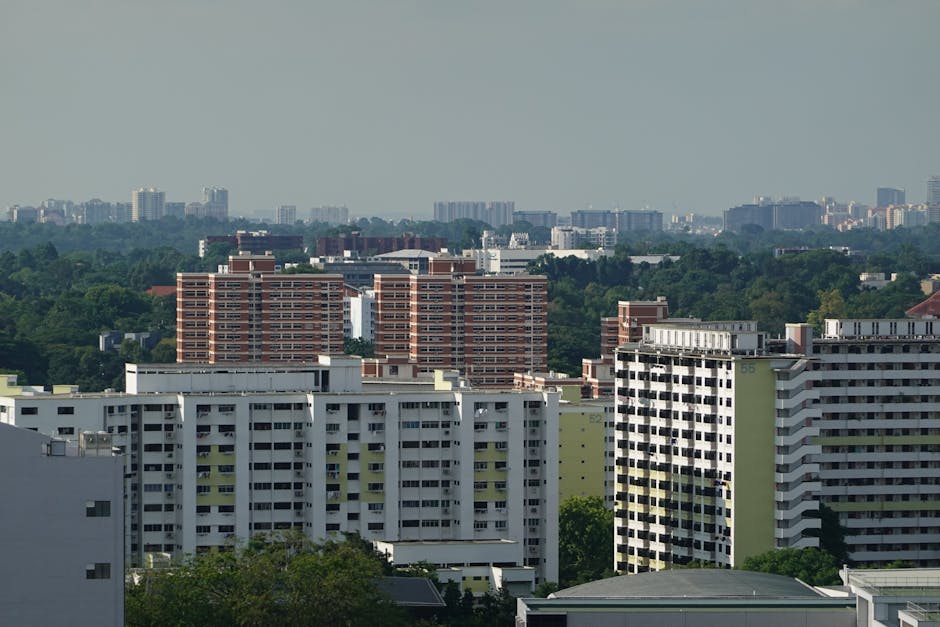
- HDB/Public Housing: Tighter spaces increase fire risk and evacuation complexity. Focus on unobstructed exits, anti-slip flooring, securing hazards in multi-use rooms, and clear emergency communication for helpers and family.
- Condominiums: Multiple floors or layouts with balconies may require extra smoke alarms, child barriers, and coordination with building management for fire drills or access control. Watch for security issues and maintenance of shared facilities (see BCA guidelines).
- Landed Properties: Larger footprints mean more points of risk: kitchens, service yards, stairwells, balconies, and external fixtures. Inspection of electrical and gas supply, regular maintenance checks, and evacuation planning are critical. Helpers may need extra orientation to the environment.
Training, Documentation, and Communication
A one-off demonstration is not enough, especially for helpers new to the country or to high-risk tasks. Instead, use staged training: explain hazards, demonstrate, supervise, correct, and repeat as needed, supported by clear, written, and visual instructions in accessible locations. Emergency sheets with all key contacts and basic instructions (in the helper’s language where possible) are essential.
Join the conversation
See this article on our social channels.
State and Recommendations
- Use the SCDF Home Fire Safety Checker for a tailored safety audit before and after hiring a domestic helper Singapore.
- Lock away medications, chemicals, sharp objects, and ensure clear labeling, never rely only on “child-resistant” packaging.
- Install and test smoke alarms near sleeping areas and evacuation routes. Replace batteries and units as required.
- Provide proper grab bars and anti-slip measures where older adults are present. Avoid makeshift solutions.
- Store emergency contacts, insurance details, and a one-page emergency procedure sheet in a central, accessible location.
- Choose maid insurance Singapore and household insurance Singapore not by lowest premium, but by fit: medical limits, co-payments, third-party liability, and direct billing options.
- Routinely review duties and re-train helpers if household needs change (e.g., after a fall, illness, or renovation).
- Coordinate with building management for maintenance and defect reporting, especially in condos and private homes.
- Maintain regular (weekly, monthly, six-monthly) safety checks and drills as described in official SCDF and MHA guidance.
- Update your maid agency Singapore or direct-hire processes based on current MOM rules and insurance market changes.
Summary Comparison Table
| Consideration | Strategic Approach | Suboptimal Approach |
|---|---|---|
| Finding the right helper | Match to real needs, skills, and home dynamics | Hire the first available |
| Live-in vs Part-time | Based on household complexity and supervision needs | Default to tradition or cost only |
| First-time helper vs Experienced | Value learning attitude and fit; provide training | Rely solely on resume or agency claims |
| Skills vs Attitude | Balance both; value trainability and communication | Ignore soft skills |
| Cultural Fit vs Resume Fit | Test with realistic scenarios and expectations | Hire by paperwork alone |
| Infant Care vs Elder Care vs General Household Care | Define focused duties and match experience accordingly | Assume one person can manage all at once |
| Agency vs Direct Hire | Evaluate training, post-placement support, transparency | Decide solely on upfront fee |
| Premium Agency vs Standard Agency | Compare value-added services and actual helper fit | Focus only on price |
| Higher Salary vs Better Overall Fit | Value total household harmony and safety | Pay more without evaluating effectiveness |
| Short-term Trial Mindset vs Long-term Relationship | Invest in orientation, feedback, and upskilling | Rotate helpers quickly to cut losses |
| Employer Responsibilities vs Helper Expectations | Clarify upfront in writing; provide fair rest and safety | Assume the helper will adjust unaided |
| Comprehensive Insurance vs Cheapest Insurance | Review all exclusions, co-pays, and real limits | Rely on product headlines only |
| Over-insuring vs Under-insuring | Update coverage as needs and risks change | Never revise policies over years |
| Household Convenience vs Household Cost | Prioritise preventive upgrades with real value | Buy gadgets without a plan |
| Saving Money vs Cutting Corners | Invest in proven safety upgrades, not cosmetic buys | Delay essential maintenance or skip checks |
Segmented Challenges and Opportunities by Home Type
HDB/Public Housing
HDB dwellers juggle space constraints, shared corridors, and evacuation complexities. Opportunities include centralising safety upgrades (like smoke alarms and anti-slip flooring) and working with neighbours and block management for joint drills and emergency contacts. The main challenge is fitting all safety requirements into limited floor area, where regular decluttering is as important as buying new devices.
Condominiums
Condo households benefit from security and common-area maintenance, but must coordinate with management for fire-safety compliance, access to service areas, and shared responsibilities for older adults and children. The opportunity is to leverage community resources, building safety features, and management services. The challenge can be ensuring the helper is briefed on building rules, emergency procedures, and the use of amenities safely.
Landed Properties
Landed homes present more points of risk, multiple floors, yards, private lifts, and more appliances. Opportunities include flexible layout for dedicated storage and safety zones, but challenges arise in maintaining all areas (e.g., checking gas lines, electrical loads, external fixtures). Helpers may need additional orientation and clear zones for safe access, especially when working alone.
Comparison
While HDBs focus on maximising safety in compact layouts and condos rely on shared resources, landed properties demand more frequent self-managed inspections and higher insurance limits due to greater exposure. All three, however, benefit from a combination of structured planning, helper training, and regular reassessment, backed by the right insurance and government-supported resources.
“A truly safe home in Singapore is not about how much you spend, but about how systematically you assess, train, and empower everyone in the household. The strongest households turn safety into a routine, not just a reaction.”
Conclusion: The Strategic Value of Safety, Fit, and Foresight
As Singapore’s families take on more diverse roles at home, safety, staffing, and household management must become more sophisticated. By focusing on prevention, choosing the right domestic helper Singapore with a forward-thinking approach, updating maid insurance Singapore and household insurance Singapore to cover actual risks, and investing in the right upgrades, decision-makers can save money, avoid legal and financial setbacks, and ensure a nurturing environment for all.
The next phase will see even greater integration between government digital tools (like the SCDF Fire Safety Checker), smarter insurance products, and personalised helper placement. Households that regularly reassess, retrain, and update their plans will be best positioned to navigate future changes, whether regulatory, technological, or social.
Ultimately, the best way to find helper in Singapore and maintain a safe, efficient home is to blend official guidance, common sense, and an ongoing commitment to clarity, communication, and care. Don’t leave safety to chance or let convenience outweigh good judgment; the payoff is peace of mind and real savings in the long run.