Singapore Airlines And Scoot Offer 380,000 Discounted Tickets To 125 Destinations Including Bangkok London Los Angeles Seoul And Sydney At Time To Fly 2026 Travel Fair
13 Oct 2026
Singapore Airlines and Scoot’s “Time To Fly” 2026 Travel Fair: Unveiling Unprecedented Value and Strategy in a Changing Travel Economy
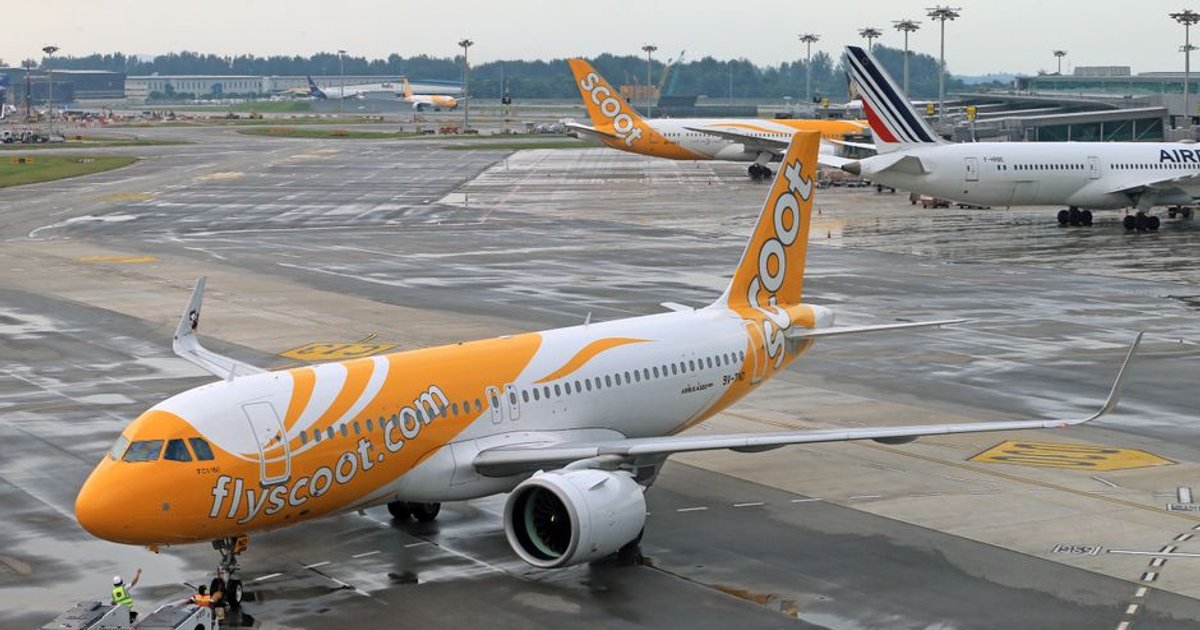
In October 2026, the travel industry will witness one of the largest coordinated airline promotions in Southeast Asian history, as Singapore Airlines (SIA) and its low-cost sibling, Scoot, roll out over 380,000 discounted tickets to 125 destinations around the globe. More than a sales campaign, the 2026 "Time To Fly" travel fair marks a pivotal moment; it reflects shifting demand patterns, evolving consumer priorities, and new tactics in global aviation as players align for post-pandemic resurgence and changing tourism flows. The physical fair at Suntec Singapore from October 23, 25, bolstered by an online sale through October 30, not only promises bold discounts but also signals migration toward data-driven tourism and cross-industry agility.
Setting the Stage: The Strategic Scope of “Time To Fly”
Massive Scale, Diversified Reach. With over 200,000 SIA return tickets spanning Business, Premium Economy, and Economy classes to 78 destinations and more than 180,000 Scoot tickets in Economy and ScootPlus to 70 cities, this campaign’s ambition is clear. The numbers alone, 380,000+ tickets, 125 routes, demonstrate a decisive strategic bid to move early on 2027’s leisure and business travel demand, while stimulating price discovery well beyond typical peak seasons.
Global Connectivity Anchored in Local Innovation. Singapore’s unique role as a regional aviation hub is at play, leveraging its status to bind markets from Asia-Pacific to Europe and America. The addition of new Scoot routes to emerging leisure destinations such as Belitung, Chiang Rai, Guiyang, and Okinawa underscores both the competitive edge of network expansion and responsiveness to rising secondary-city demand trends.
Extended Sales and Travel Windows. The campaign’s travel validity for SIA runs from January to September 2027, while Scoot’s tickets span from November 2026 to mid-October 2027. This long runway not only allows travelers and businesses to plan, but also provides partnered industries, from hotels to insurance providers, a reliable window to synchronize offerings and campaigns.
The New Playbook: Tactical Shifts in Airline and Partner Promotions
From Fares to Ecosystems. The days when airlines stood alone are fading. With more than 30 travel agents and partners physically present at the Suntec fair, there is a clear pivot toward integrated, cross-sell ecosystems. Partners ranging from airport transfer firms to destination retailers can directly target newly-minted ticket holders at the moment of purchase, maximizing ancillary value and outpacing traditional advertising cycles.
Differentiated Targeting by Brand and Class. SIA’s allocation of premium class discounts to long-haul cities, London, Los Angeles, Madrid, reflects a commitment to high-yield customers, while Scoot captures budget-conscious and adventure-driven travelers on emerging routes. By designing targeted fare products, both brands can drive volume without eroding core margin and loyalty segments.
Digital-Physical Hybrid Activation. A physical fair renews live engagement, while extending buying convenience online via both airline apps and websites. This duality captures digital natives and those who value traditional in-person advice, all while facilitating impulse decision-making and resolving trip uncertainties in real-time.
Patterns and Implications: The Ripple Effect on the Broader Economy
Predictable Demand Windows for the Value Chain. The wide travel periods, announced months in advance, allow hotels, tour operators, and insurance firms to predict booking surges and frontload campaigns. Operators in inbound tourism can shift from reactive seasonal promotions to aligning directly with purchase windows, capturing demand as soon as tickets are booked.
Stoking Competition and Lowering Barriers. The sheer volume and destination breadth introduce or reinforce price competition into the market. Regional rivals and alternative transport providers, rail, coach, or ferry operators, are compelled to reassess their strategies, possibly triggering secondary sales and flash promotions that benefit both consumers and the ecosystem.
Forward Capacity and Load Management. Airlines booking seats this far in advance can better forecast load factors for 2027, adjusting schedules and capacities dynamically to avoid under- or over-supply and reduce operational risk, especially on experimental or recently launched routes.
Differentiating Stakeholder Perspectives: Businesses Versus Households
Growth HQ: Business Adaptation and Opportunity. For businesses, this campaign is more than ticket sales; it is a data-rich, actionable demand forecast. Hospitality and ancillary providers can launch context-sensitive offers, from bundled transfers to destination-specific experiences, immediately post-purchase. The traditional reliance on high-season advertising therefore gives way to hyper-targeted, time-aligned marketing.
GoodHelp Households: Navigating Complexity for Value. Meanwhile, families and independent travelers face both opportunity and challenge. Early bookings yield the largest savings, but only with diligent comparison of total journey costs, including extras for baggage, meals, and insurance. The risk of popular dates selling out, especially around school holidays, means household decision-makers must act quickly but judiciously, parsing fare restrictions and change conditions. Comparison between headline fares and comprehensive trip costs becomes essential for true value.
Market Entry for New Viewers. For first-timers unfamiliar with airline promotional nuances, the fair’s physical and online elements serve both as an education channel and a conversion funnel, demystifying complex fare conditions while providing access to expert agents and exclusive deals not found elsewhere.
Join the conversation
See this article on our social channels.
Comparative View: Old Versus New Travel Fair Dynamics
From Traditional Sales to Strategic Demand Shaping. In the past, airline travel fairs operated as seasonal inventory clearances, with demand peaking around school breaks or festive periods. In contrast, the 2026 "Time To Fly" fair uses data-driven forecasting, cross-industry partnerships, and hybrid digital-physical activation to shape travel intent well in advance.
Consumer Agency and Empowerment. Previously, consumers often passively accepted whatever fares were offered during high-demand windows. Now, armed with transparent fare structures, third-party comparison tools, and live expert advice, travelers can actively chart cost-effective, personalized journeys rather than defaulting to legacy pricing models.
Cross-Sector Value Extraction. Whereas sales once ended with ticket purchase, today’s approach embeds opportunities for travel insurance firms, mobile carriers, and even retail brands to insert themselves into the journey, maximizing share of wallet via bundled deals and just-in-time offers.
Key Forward-Looking Principle
"The real transformation is not just in how tickets are sold, but in how the entire travel value chain reads and responds to predictable demand. The 2026 'Time To Fly' fair signals a future where timing, integration, and hyper-targeting shape both the traveler’s journey and the industry’s next wave of growth."
Direct Implications for Stakeholders in 2027 and Beyond
Agility as Competitive Differentiator. Market players who use sales data from this campaign to recalibrate product offerings, staffing, and marketing investments will outperform slower competitors. By tracking which routes and fare classes sell fastest, businesses can direct resources to high-opportunity segments and reduce wasted spend on low-yield efforts.
Reputation and Loyalty Loop. Airlines and partners delivering seamless, value-rich post-purchase journeys will reinforce brand allegiance, turning one-off promo buyers into recurring customers. The transparency and breadth of the offer build trust, which is increasingly key in an uncertain economic climate.
Regulatory and Sustainability Dimensions. With expanded capacity and lower fares, regulators and environmental watchdogs will closely monitor sustainability outcomes. Airlines that couple aggressive promotions with carbon offset options or environmentally conscious add-ons can stay ahead of scrutiny while cultivating goodwill among eco-aware travelers.
How Consumers and Businesses Can Prepare Now
For Consumers: Mark the sale and travel dates well in advance. Prepare a shortlist of destinations and assess ancillary needs, baggage, transfers, insurance, before the sale opens. Compare all-in pricing and be ready to act fast for high-demand periods.
For Businesses: Analyze previous sales cycles and real-time booking patterns during the fair. Align product launches and targeted campaigns to coincide with booking surges, particularly for hotel nights, tours, and local experience bundles in destinations under promotion.
Conclusion: The Strategic Trajectory, Opportunity at the Crossroads
Singapore Airlines and Scoot’s 2026 "Time To Fly" travel fair is not merely an event but a blueprint for the future of aviation-led tourism growth. Its record scale, hybrid engagement strategy, and ecosystem-based partnerships reflect the sector’s evolution toward proactive, data-driven commerce. For businesses, the onus shifts to operational agility and customer-centric innovation. For households, true value hinges on informed, timely decisions amid increasing complexity.
Looking ahead, the most resilient and successful players will be those who treat these mass promotions as catalysts for ongoing adaptation, not just one-off windfalls. The strategic imperative is clear: only by synchronizing every link in the value chain, airlines, partners, and travelers, can the industry unlock sustainable growth and competitive edge in a world shaped by volatility and possibility.
Related guides
- Is The Haze Clearing In Singapore? What Families And First-Time Domestic Helper Employers Need To Know
- Singapore Domestic Helper Costs 2026: Essential Insurance And Levy Checklist For HDB, Condo And Landed Home Employers
- How much do helper agencies charge in Singapore? Fair price, scope and reliability (Updated 30 Oct 2026)
How GoodHelp can help
- Find the right helper: Answer a few questions and we'll shortlist helpers who suit your home.
- Helper price check: See what a helper costs each month: salary, levy, insurance and agency fees.
- Good local businesses: Home services and shops in your neighbourhood that locals recommend, with member deals.
- Become a Trusted Reviewer: Try local services, write honest reviews and get paid by PayNow.