
How Technology And On-Demand Services Are Transforming Singapores Domestic Helper Market
22 Sept 2026
Task Unbundled: How Technology is Transforming Singapore’s Domestic Helper Market
Imagine a typical Singaporean household in the early 2000s: a live-in domestic helper seamlessly managing cleaning, cooking, childcare, and caring for elderly family members, all while adapting to unpredictable routines and family emergencies. Fast forward to today, and that once-stable model faces a powerful, data-driven disruption. Instead of relying on a single person for a medley of duties, families increasingly opt to purchase specialised, on-demand services, booking a cleaning team digitally, automating repetitive chores, or outsourcing laundry and meal prep to expert platforms. Behind this shift, technological innovation, changing household demographics, and transparent pricing are unbundling the classic domestic-helper relationship, sparking a transformation with deep economic and social impacts.
The Unbundling of the Traditional Helper Model
From Bundled Roles to Task-Based Services: The classic domestic-help arrangement in Singapore was defined by its multi-functionality. One full-time worker handled everything: cleaning, laundry, meal preparation, shopping, errands, childcare, elder assistance, pet care, and even unpredictable needs like night support or sudden illness. This model’s allure was its flexibility and continuity. For one monthly cost, households had a trusted person readily available, able to adapt as needs shifted. Especially in dual-income or multi-generational families, such an arrangement offered peace of mind.
Hidden Costs and Management Burdens: However, this “one worker, many duties” system often masked the true price of each service. Employers faced not only the official salary and levy, but also insurance, medical checks, food and accommodation, recruiting expenses, and the intangible cost of management, training, supervising, handling disputes, and regulatory compliance. Some recruitment fees reportedly hit as high as S$16,000 for helpers, a significant economic and ethical concern for both households and workers [worker-rights research].
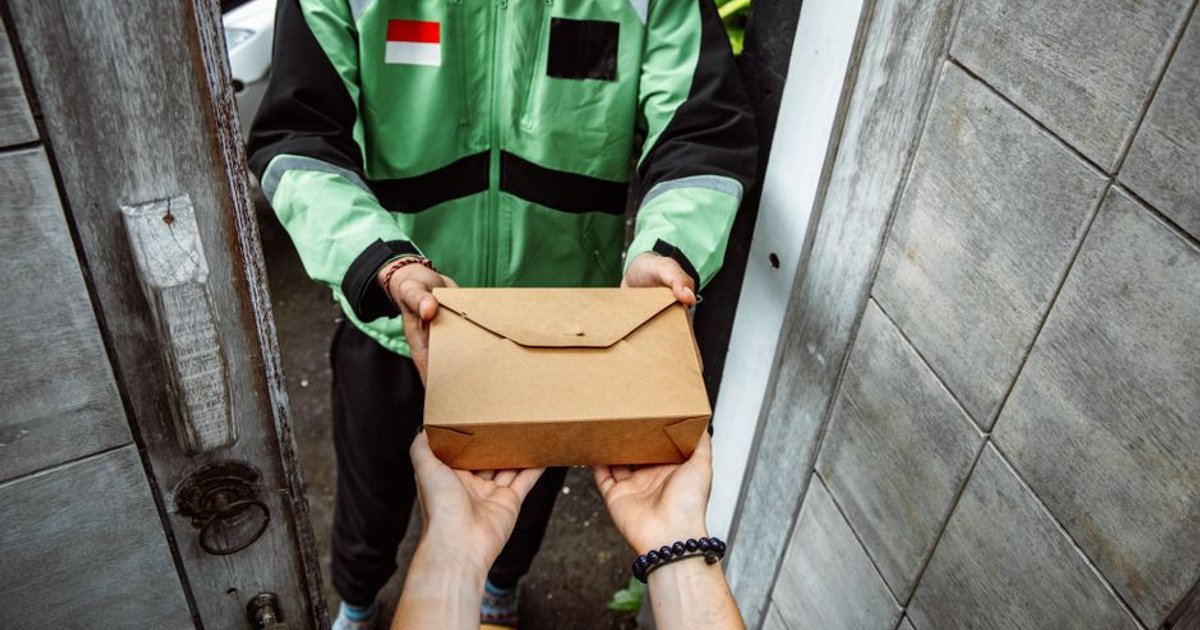
The Tech-Driven Revolution: Technology is now attacking this bundling from all sides. Digital booking platforms let families order just what they need, be it four hours of cleaning, fortnightly deep cleans, or weekly ironing, without paying for unused capacity. Transparent pricing, structured service scopes, automated scheduling, and robotic support are making the market more modular and measurable. The rise of local cleaning-robotics startups like Hivebotics, which raised US$6 million to deploy commercial-grade cleaning robots, underscores a broader move toward automation.
More Like This





Dissecting the Economics: Live-In Helper vs. Tech-Inspired Services
Understanding True Costs: The monthly salary for a migrant domestic worker typically ranges from S$600 to S$900 depending on experience and origin, but this headline figure barely scratches the surface. Employers must also factor in a monthly levy (S$300 for most, S$60 for eligible concessionary households, S$450 for subsequent helpers), insurance, medical and administrative requirements, food and accommodation, recruitment amortisation, leave coverage, and management overhead [official MOM rates].
For a typical household not receiving the concessionary levy, the real monthly running cost often exceeds S$1,000 and can reach approximately S$1,490 when including all economic factors. Annualised, this means a household may be spending S$17,880 or more, aside from their own management time and potential replacement-service costs during the helper’s leave.
Comparing to On-Demand Services: Outsourced, task-based platforms shine in scenarios where households do not need continuous presence. Instead of paying for idle capacity, families pay for outcomes, weekly cleans, monthly deep cleans, or specific tasks, supported by digital coordination and outcome guarantees. For predictable, routine needs, this can reduce cost and increase transparency. However, these services may not deliver the immediate, flexible response a live-in helper provides for care-intensive situations, emergencies, or round-the-clock supervision.
The Value of “Presence”: Despite the cost savings, many families still prize the peace of mind that comes with a helper who is always available; someone who can handle a sudden illness, assist a child in the night, or adapt instantly to work schedule changes. This is a level of support no platform can yet guarantee, highlighting the enduring relevance of full-time arrangements for households with high unpredictability or intensive care needs.
Technology as the Catalyst for Change
Discovery and Matching: Digital platforms, such as GoodHelp, revolutionise the way households find and book services. Instead of relying on word-of-mouth or generic agency listings, customers can specify exact requirements, house size, floor type, allergies, special needs, ensuring a highly tailored match. This cuts down on mismatches and improves satisfaction for all parties.
Scheduling and Utilisation: Platforms optimise bookings across neighbourhoods, minimising travel and maximising worker productivity. By grouping appointments, providers achieve higher utilisation and lower costs per visit, an efficiency traditional live-in models lack.
Quality Control and Payments: Technology enables before-and-after photo documentation, digital checklists, timestamped visits, and immediate feedback loops. Payments shift from cash to secure digital systems, allowing for subscriptions, packages, and add-ons that fit each household’s needs.
Personalisation Through Data: Securely stored preferences mean even with changing service teams, households enjoy consistency, whether it’s using fragrance-free products, prioritising certain rooms, or respecting special privacy instructions. The trick is balancing personalisation and privacy, with clear boundaries and ethical data minimisation.
Robotics: Complement, Not Replacement
Promise and Limitations: The prospect of robots handling domestic chores is no longer science fiction. Companies like Hivebotics have introduced autonomous cleaning robots to the commercial sector, and consumer-grade robot vacuums are now a fixture in many Singaporean homes. Yet, the leap from commercial to residential is not straightforward. Robots excel in large, predictable spaces but struggle with cluttered, ever-changing home environments that require judgment and adaptability.
The Human Plus Automation Model: The near-term reality is a hybrid, where robots handle repetitive tasks (like floor cleaning) while humans manage deep cleans and nuanced services. The economic decision for households is whether the investment in automation makes sense: does the equipment pay for itself through sufficient labour savings over its lifespan? For many, the calculation is complex, factoring in reliability, maintenance, and the irreplaceable human touch.
Unbundling Services: The Rise of Specialised, On-Demand Offerings
General Cleaning: Standard cleaning, now easily booked via apps, is increasingly the entry point for households experimenting with tech-driven services. Clear task lists, transparent pricing, and flexible scheduling set new service standards.
Deep Cleaning and Episodic Needs: Big moves, renovations, festive events, or a bout of illness drive demand for deep cleaning, a task poorly served by the full-time, all-in-one helper model. Episodic services allow providers to address specific, high-value needs without an ongoing employment commitment.
Laundry, Ironing, and Meal Preparation: Laundry can be split into collection, washing, ironing, and folding, with specialist providers offering premium garment care. Similarly, meal preparation is shifting, with services offering everything from prepared family meals to ingredient kits. This segmentation allows households to design their own blend of in-home and out-of-home support.
Care and Supervision: Cleaning may be commoditised, but elder and child care remain profoundly personal and sensitive. Here, tech can assist with scheduling and reporting, but the delivery must remain rooted in qualified, human interaction with rigorous safeguards, training, and oversight.
Trust: The New Battleground for Home Services
Minimum Trust Features: Inviting a worker into one’s home is a high-trust transaction. Market-leading platforms compete not just on convenience, but on trust architecture, identity verification, background checks, insurance clarity, transparent service scopes, and robust escalation pathways.
Privacy by Design: Providers gather intimate data, access codes, family routines, medical needs. The ethical imperative is to limit collection, secure data, restrict staff access, and delete outdated information. Ethical lapses here can destroy consumer confidence faster than any pricing error.
Consistency vs. Familiarity: While platforms may rotate workers, smart systems offer “small-team continuity”, a primary provider plus trained backups, ensuring service consistency even if the faces change. This model balances resilience with the familiarity many families value.
A Comparative Perspective: Navigating Divergent Household Needs
For Households Needing Continuous, Flexible Support: Families with young children, frail elderly members, or unpredictable schedules may continue to prefer the traditional live-in helper, even at a higher cost. The value of immediate, trusted presence cannot be easily matched by on-demand models.
For Predictable, Scheduled Needs: Households with infrequent or routine requirements, for example, dual-income couples, singles, or families with older children, are best served by unbundled, task-based services that scale up or down as needed. Here, digital platforms offer measurable savings and flexibility.
For Hybrid or Transitional Scenarios: Many Singaporean families will use a blend: outsourcing cleaning, automating some chores, but retaining a helper for care or cooking. Providers serving this segment stand to benefit by offering modular, interoperable services and transition support.
Actionable Framework for Households: A Practical Path Forward
Define Real Needs Before Deciding: Households should break down their requirements, routine cleaning, skilled tasks, unpredictable availability, supervision/care, before jumping to a solution. Each category may call for a different model or mix of services.
Calculate Total Annual Cost: Factor in all direct and indirect costs: payments, levies, equipment, management time, and backup arrangements. Avoid the trap of comparing only headline rates.
Run a Controlled Pilot: Before fully switching, trial platforms and compare real outcomes: punctuality, quality, communication, hidden costs, and time saved for the family. Let data, not marketing promises, guide the decision.
Separate Price from Value: A cheap hourly rate means little if the service is unreliable, inconsistent, or poorly supported. Prioritise providers with transparent scope, robust guarantees, and proactive communication.
Use Automation Selectively: Start with low-risk areas, robot vacuums, air-quality sensors, digital scheduling, while keeping human oversight for sensitive or safety-critical tasks.
Maintain Redundancy and Resilience: Always have backup providers and clear contingency plans, especially during transitions or for care-dependent households.
Strategic Recommendations for Providers and Policymakers
For Service Platforms: The most successful home-service companies will position themselves as trusted household operations partners, not just booking marketplaces. This means household assessments, named service teams, outcome-based packages, transparent digital profiles, technology add-ons, and data-driven operations management. Segmentation, by household type, need, and willingness to pay, will allow tailored offerings that build loyalty and pricing power.
For Industry Decision Makers: Market intelligence should focus on where value is shifting along the service chain. The biggest opportunities lie in hybrid-service models (periodic human service plus tech-enabled maintenance), transition support as families shift away from full-time help, and specialist verticals (e.g. elder-safe cleaning, premium laundry, pet-home hygiene). B2B2C partnerships, with property managers, insurers, employers, can lower customer acquisition costs and expand reach. There is also rising demand for service infrastructure: workforce scheduling, route optimisation, digital identity, insurance, and training platforms.
Regulatory Vigilance and Worker Protections: The move toward task-based, platform-mediated home services does not exempt providers or households from legal and ethical responsibilities. Worker misclassification, excessive fees, unclear employment relationships, data misuse, and absence of proper insurance are real risks that must be actively managed. The Ministry of Manpower’s role in publishing clear rules and enforcement is crucial, given that some helpers still face prohibitively high recruitment costs and limited recourse. All innovation must ultimately uphold worker dignity, safety, and legal rights. For a detailed breakdown of costs and regulatory structures, see this comprehensive hiring guide.
The future of Singapore’s domestic-helper market will not be defined by the disappearance of human workers, but by a modular, transparent system where technology, specialist services, and qualified human care are orchestrated to deliver exactly what each household needs, with resilience, trust, and dignity at its core.
Measuring the Shift: Key Metrics for the Disruptive Decade Ahead
As the market evolves, stakeholders must track both labour supply (number of licensed helpers, helper salaries, regulatory fees) and service-usage data (platform bookings, repeat rates, subscription penetration, automation uptake). Not every decrease in live-in helper numbers will translate to increased platform revenue; some needs may be met informally or shift to family care. A convergence of labour analytics, household spending, and service adoption will define the winners and losers of this transformation.
Conclusion: Re-engineering Household Operations for a New Era
Singapore’s domestic-helper market is undergoing a quiet but profound transformation, driven by digital platforms, automation, and changing consumer expectations. The winning formula no longer lies in offering the cheapest or most comprehensive labour, but in delivering reliable household outcomes with measurable value, clear boundaries, and robust trust mechanisms.
Households must honestly assess their true needs, test new models in low-risk ways, and protect themselves with thoughtful backups and informed provider selection. For platforms and policymakers, the challenge is not disruption for disruption’s sake, but building an infrastructure that supports modularity, transparency, and fairness, for both families and workers. The companies and regulators that navigate this transition wisely will not only capture commercial advantage but will set a benchmark for dignified, resilient domestic employment in advanced urban societies.
The task before all stakeholders is not simply to automate or outsource, but to engineer a system where care, cleaning, and daily living are managed sustainably, balancing cost, flexibility, quality, and above all, human dignity. In this new era of household operations, the most enduring competitive edge will belong to those who make complexity invisible, while making trust and transparency the visible promise.