
How Singapore Households Can Maximise Coffee Savings With App Promotions And Loyalty Rewards In 2026
29 Sept 2026
Singapore’s Takeaway Coffee Revolution: How Household Tactics and Loyalty Apps Are Rewriting Daily Spending
Singapore, renowned for its vibrant food culture and cosmopolitan lifestyle, is quietly undergoing a transformation in how households buy everyday coffee. Over the past decade, the city-state has witnessed an explosion of branded coffee chains, fierce competition, and a surge in digital app-driven promotions targeting both casual sippers and habitual buyers. The rise of app-exclusive deals, loyalty rewards, and bulk-order strategies are not simply changing taste preferences, but fundamentally altering household economics. As of late September 2026, a growing set of savvy tactics allow Singaporeans to slash takeaway coffee costs by up to 50 percent each week, reframing coffee as both a lifestyle and a smart financial lever.
The New Reality: Coffee as a Managed Household Expense
Rising Prices and Changing Preferences: The classic kopitiam kopi, once the morning staple, faces stiff competition from rapidly expanding chains like luckin coffee, TOMORO Coffee, and global giants such as Starbucks. Amid rising urban rents and imported ingredient costs, the average price for a takeaway coffee has soared to around S$5 per cup, making a twice-daily habit a nontrivial weekly outlay of S$50 or more.
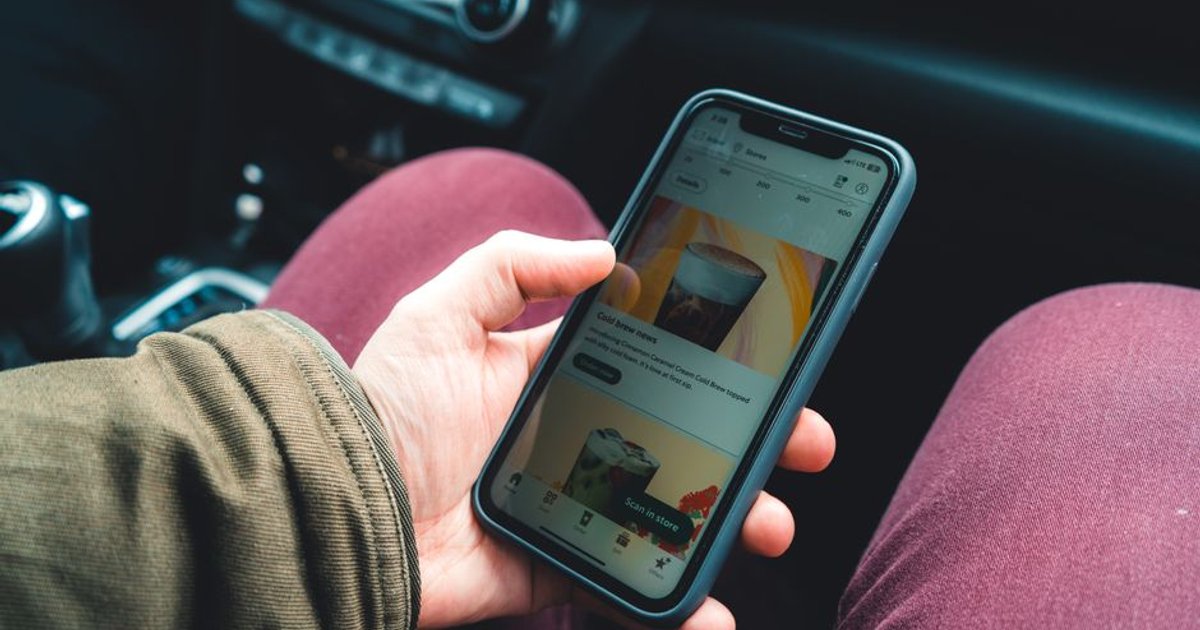
Digital Loyalty Ecosystem: In response, brands have unleashed aggressive app-driven promotions, 1-for-1 deals, coupon packs, and time-limited discounts, moving household savings from wishful thinking to practical reality. These aren’t mere marketing gimmicks; for families and office dwellers, app promotions can decide whether coffee is a daily indulgence or a controlled luxury. Singapore’s coffee loyalty ecosystem is now as sophisticated as its fintech sector, blending behavioral nudges, real-time rewards, and data-driven personalization.
Unpacking the Savings: Singapore’s Best Verified Offers of September 2026
Luckin Coffee’s 1-for-1 Payday Promotion: Between 25 and 28 September 2026, luckin coffee’s app-exclusive “payday” deal lets users buy two coffees for the price of one at participating outlets. For households genuinely needing two cups, this is a straight 50% discount. With weekly consumption patterns, that translates to S$25 saved per week, or as much as S$100 monthly if the promotion is repeated.
TOMORO Coffee’s App Promotion: TOMORO’s 1-for-1 promo, running from 24 to 30 September 2026 via their app, follows the same logic: purchase two drinks, pay for one. Again, the offer is only truly valuable if both drinks replace planned purchases, not impulse buys that inflate overall spending.
Luckin Coffee S$2.99 Coupon Pack: With signature drinks reduced to S$2.99 for coupon holders (claim period 25, 28 September, redemption 29 September, 2 October), the savings are substantial when compared to the S$5 regular price. Here, the net saving is calculated as normal price minus promotional price, minus any incremental fees or conditions.
Shell Café’s Shell GO+ Discount: For eligible Shell GO+ users purchasing qualifying Monchhichi products, there’s a direct S$1 off each small hot Americano or latte between 1 August and 30 September 2026.
Starbucks Singapore Voucher Pack: For S$12.90, buyers receive a pack advertised as worth S$25 (valid 1, 6 September 2026), comprising free drinks, 1-for-1 vouchers, and additional perks. While enticing, real savings depend on actual voucher usage and terms, unused or ineligible vouchers have no practical value.
More Like This


Emerging Patterns: Household Consumption Meets App-Driven Tactics
Savings Are Relative, Not Absolute: The strongest household tactic is to calibrate promotions against “actual consumption.” If a family would naturally buy two coffees daily, app-driven 1-for-1s halve the weekly outlay. However, buying two drinks just to use an offer can lead to “false savings,” increasing net spend. The formula is clear: buy only what you need, and prioritize offers that match your usual routine.
Delivery Fees and Incremental Costs: Promotions can look impressive until fees are tallied. Delivery charges, service fees, and required add-ons may erase all savings. The best value is almost always found in collection orders, where the buyer picks up the coffee, versus delivery, unless the latter is part of a larger, consolidated household order.
Stacking and Reward Conditions: Many apps tease multi-layered benefits: loyalty points, new-user vouchers, membership discounts, and digital payment rebates. However, exclusions are common. Savvy shoppers must check whether discounted purchases accrue points, if vouchers can be combined, and read the fine print on redemption windows, size eligibility, and outlet acceptability. Vouchers expiring before use are worthless, regardless of advertised value.
Comparing Perspectives: Experienced Households Versus New Deal Seekers
The Experienced Household: These users track daily offers, optimize app budgets, and maintain spreadsheets or notes to monitor effective price per drink. They know the rhythm of app-only deals, prefer collection to delivery, and systematically review unused rewards each weekend. Their strategy is to stack one genuine promotion per week, avoid upselling, and treat coffee as a managed expense, not a reward chase.
The New Viewer or Deal Aggregator User: The influx of deal aggregator sites has spawned a generation of buyers who chase every headline promotion. Without careful tracking, they may succumb to buying more than needed, overlook expiry nuances, or ignore incremental costs. For these users, the temptation of “high face value” voucher packs can lead to unplanned consumption and net budget overruns.
GoodHelp’s Proposed Solution: To bridge this gap, GoodHelp recommends a service built around final-price verification, expiry alerts, budget tracking, and real-time eligibility disclosures, as outlined here. Such transparency turns deal chasing into genuine household savings, not just promotional noise.
Practical Insights: Building an Effective Coffee-App Savings Routine
Weekly Routine and Decision Sequence: The most effective households follow a disciplined flow:
Monday: Check active offers and expiry dates.
Tuesday, Thursday: Use loyalty rewards only for planned purchases.
Friday: Evaluate 1-for-1 and coupon offers.
Weekend: Review total spending and unused rewards.
At each step the household confirms their need, compares final checkout price against regular cost, omits delivery and unnecessary add-ons, verifies voucher expiry and eligibility, and records the net saving. This method eliminates confusion and ensures the reward is truly incremental.
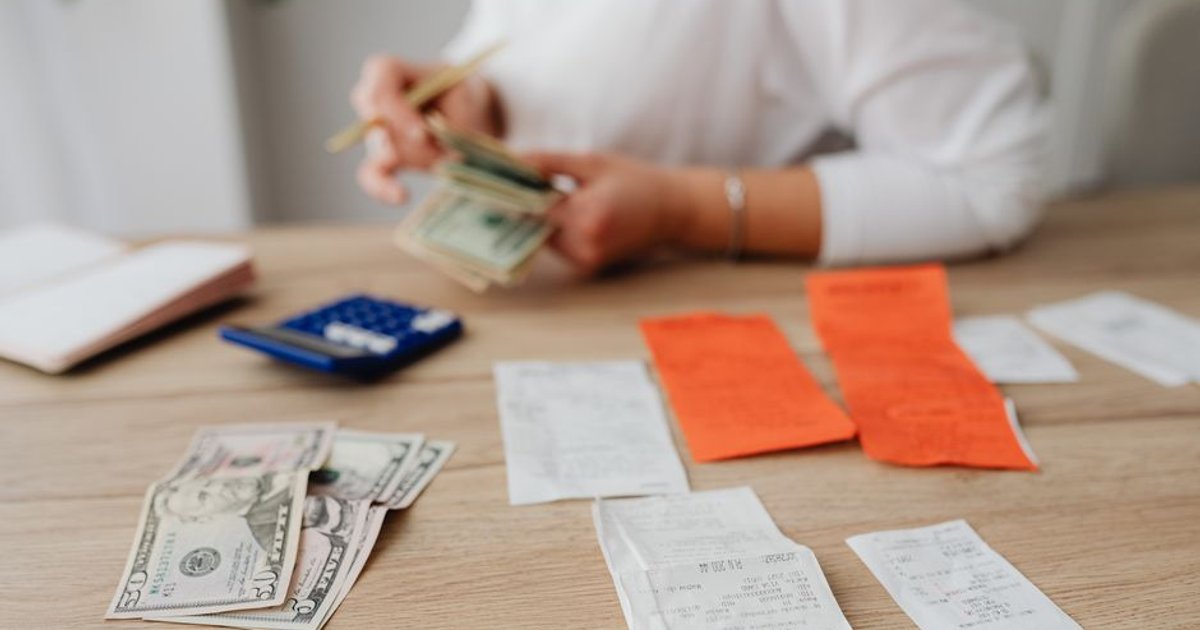
The Spreadsheet Advantage: By tracking date, brand, total paid, and number of drinks, households can calculate the effective price per drink. This prevents misleading comparisons between S$2.99 coupons with delivery charges, S$5 1-for-1 orders, and S$12.90 voucher packs.
Monthly Budget Discipline: Push notifications, streaks, and points thresholds are designed to drive higher frequency, but the most successful households set a firm monthly budget, S$60 for essentials, S$20 for promotional flexibility, and refuse to chase rewards outside the planned spend.
Forward-Thinking Business Implications: Loyalty as Measured Contribution
Digital Loyalty Is Not Just a Discount: For coffee operators, app-based loyalty ecosystems acquire users, boost frequency, shift demand to off-peak, and collect behavioral data. Promotions are used for acquisition, reactivation, and basket expansion, but the real metric is “incremental contribution margin per retained customer.” Brands must differentiate incentives: first-order vouchers for new users, short-term offers for lapsed users, points multipliers for frequent buyers, and weekday rewards for off-peak business.
Experimental Promotion Models: Operators are advised to experiment methodically. Test 1-for-1 versus S$2 discounts, probe collection-only versus delivery, and examine points multipliers versus direct discounts. Analyze payday promotions for incremental volume, and design household bundles for colleagues or families, carefully controlling cannibalization risks.
Critical Risks and Mitigation: The risks include abuse by multiple accounts, voucher leakage, excessive reliance on discounts, margin erosion, customer dissatisfaction, and confusing exclusions. Clear terms, transparent stock limits, and robust app checkout experiences are essential for trust and repeat business.
Comparative Analysis: The Changing Landscape Versus Traditional Practices
Traditional Approach: Historically, Singapore families bought coffee ad hoc, via hawker centres, independent cafes, or simple walks to the nearest outlet. This method relied on convenience, location, and occasional seasonal discounts, with little consistency or strategic planning.
App-Driven Approach: The modern household, armed with loyalty apps, compares prices, tracks deals, and weighs incremental fees. Savings are optimized only when promotions match genuine consumption, collection replaces delivery, and households monitor effective price per drink. In this landscape, spreadsheet tracking and budgeting become as important as the coffee itself.
Deal Aggregators and Verification: Promotions listed on aggregators like EverydayOnSales or MissLobang may lack real-time verification or expiry tracking. The new imperative is to confirm terms inside the official brand app before payment, closing the gap between advertised and actual savings.
Innovative Practices: Building Sustainable Household and Business Models
Verified Savings Services: GoodHelp’s recommended proposition is to position around practical, verified household savings. This includes final-price calculations, expiry-date alerts, comparison with home-brew alternatives, spending trackers, personalized recommendations, and clear eligibility disclosures. Each deal is presented with normal price, promotional price, number of drinks, collection/delivery conditions, expiry, participating outlets, stacking possibilities, estimated saving per drink, and last verification timestamp, as advocated by Luckin Coffee and others.
App-Exclusive Advantages: Brands are leveraging app-only channels for urgency, limited validity, and scarcity. For example, luckin coffee’s coupon packs are capped daily, while payday events align with salary-cycle spikes. Operators use bundles for household sharing, but must monitor cannibalization and margin erosion.
Consumer Behavior and Digital Nudging: Digital loyalty has become a behavioral science. Push notifications, streaks, and points thresholds drive frequency, but households must avoid overconsumption and treat rewards as add-ons, not primary motivators.
A forward-looking principle: “The household that tracks actual consumption, compares app-driven final prices, and sets strict budget limits will consistently win the savings game. Digital loyalty is only as valuable as its measurable impact on net household spend.”
Real-World Implications: The Ripple Effect Across Markets
For Households: The practical effect is clear. As more Singaporeans adopt loyalty apps and budget discipline, coffee ceases to be a casual, uncontrolled expense. Instead, families treat it as a deliberate, trackable household item, with monthly savings that rival supermarket discounts or cashback rewards.
For Businesses: Operators face a dual challenge, acquire new customers with high-value incentives, but avoid excessive discounting for existing loyal users. The most successful brands will experiment, track cohort profitability, and pivot promotions toward genuine incremental margin, not just volume.
For Deal Aggregators and Service Providers: The imperative is transparency. Services like GoodHelp must distinguish verified brand terms from third-party deal reporting, provide expiry alerts, and deliver clear, actionable recommendations. Consumers expect genuine savings, not just the illusion of discounting.
Strategic Recommendations: How to Win in the Singapore Coffee Savings Ecosystem
For Households:
- Leverage one planned app promotion per week for genuine savings.
- Prefer collection over delivery, unless bulk orders offset fees.
- Track offers and expiry dates with a simple spreadsheet.
- Set a monthly spending cap, and enforce it strictly.
- Confirm eligibility and stacking rules before checkout.
For Businesses:
- Differentiate incentives by user cohort: acquisition, reactivation, frequency boosts, and off-peak rewards.
- Use limited-time, app-exclusive promotions for urgency and data collection.
- Experiment with promotional models and track incremental margin carefully.
- Publish clear stock and redemption terms to minimize dissatisfaction.
- Treat loyalty as a measured experiment, not a permanent price reduction.
Conclusion: The Future Trajectory of Takeaway Coffee in Singapore
Singapore’s coffee landscape is rapidly shifting, driven by a confluence of rising prices, digital app ubiquity, and savvy household management. The winning formula is simple: buy only what you need, verify every deal, track real-world savings, and keep coffee within budget. App-driven loyalty is not mere discounting, it is a strategic tool for both buyers and operators. Those who treat coffee as a managed household expense, and businesses who measure loyalty against net contribution, will shape the next phase of Singapore’s coffee revolution. As offers evolve and new entrants emerge, the discipline of verification, tracking, and budgeting will outlast any single promotion.
The strategic importance of this issue cannot be overstated. Coffee is a microcosm of Singapore’s broader shift toward digital-first household spending, and the lessons of loyalty, verification, and measured savings are applicable across food, retail, and beyond. The future belongs to consumers and businesses who treat every deal as an experiment, and every dollar saved as a win. Now is the time for Singapore to lead in practical, verified, and sustainable savings, one cup at a time.