

How Singapore Families Can Use Digital Platforms To Find The Perfect Domestic Helper For Their Household Needs
7 Oct 2026
Leveraging Digital Platforms to Transform Domestic Helper Recruitment: Singapore’s Blueprint for Global Business Efficiency
In the age of digital transformation, Singapore’s domestic helper recruitment sector is undergoing a profound shift, highlighting how technology can create more structured, scalable, and transparent processes that directly reinforce operational efficiency. This is a timely lesson for Growth HQ’s audience, business leaders, technology professionals, and decision-makers seeking to grow my business, expand overseas, and drive value through strategic innovation.
The rise of digital matching platforms is not just a localized trend. It is a microcosm of wider shifts in workforce management, compliance, and customer experience that forward-thinking companies can use to revolutionize both internal operations and cross-border business models. By focusing recruitment on household needs rather than nationality or broad recommendations, Singapore households, and, by extension, any business reliant on service labor, can minimize friction, reduce replacement and onboarding costs, and improve quality outcomes. This model offers actionable insights for organizations looking to optimize hiring practices and sustain global scalability.
Key Trends and Strategies: Digital Transformation in Recruitment
From Manual Referral to Structured Digital Matching
Traditionally, domestic helper recruitment has relied on manual referrals, agency-curated recommendations, and basic demographic filters. Today, platforms like NetMaid and HumanSkills aggregate candidate profiles from hundreds of licensed agencies, enabling employers to search by concrete criteria such as language, cooking skills, care experience, and pet handling. This move towards searchable databases and video interviews parallels the automation trends seen in modern talent acquisition.
More Like This
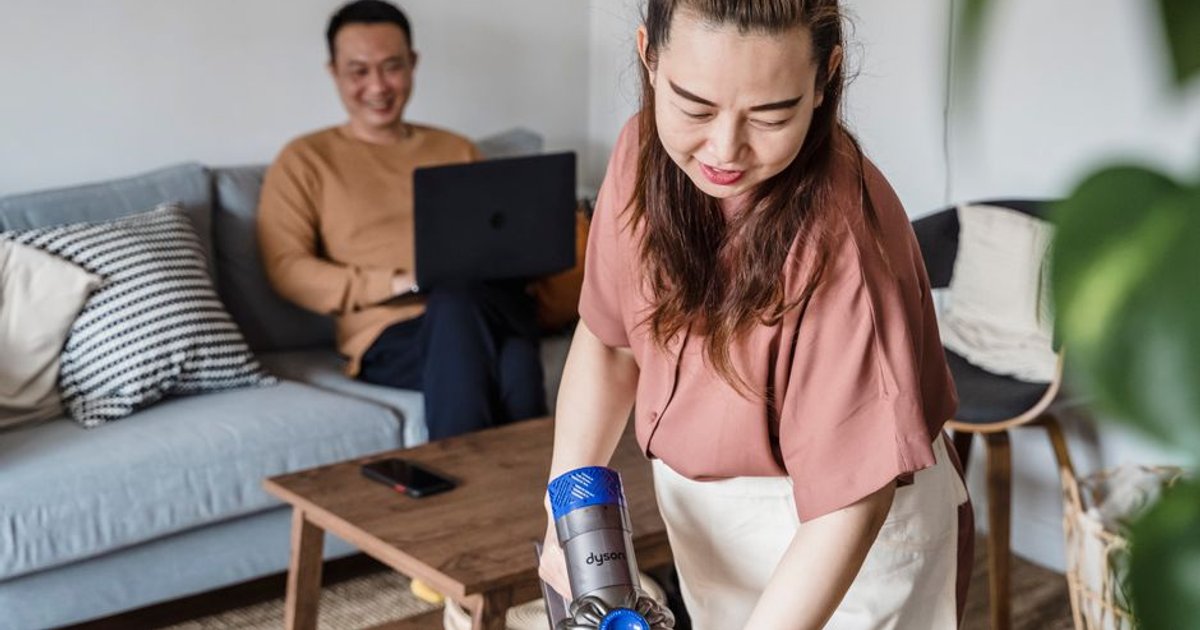




Precise Needs-Based Matching
Instead of relying on broad labels like “experienced in elderly care,” digital tools convert operational requirements into specific data fields. For instance, “Can cook” becomes “can prepare low-sodium meals, Chinese dishes, packed lunches,” while “elderly care” is broken down into “mobility support, medication reminders, toileting, companionship.” This specificity drives higher match quality, a principle that can be applied across B2B recruitment and outsourcing to optimize workforce utilization.
Rising Household Complexity and Segmentation
Singapore’s families, much like businesses, are increasingly specialized, requiring combinations of childcare, eldercare, pet care, and dietary management. The Ministry of Manpower (MOM) recognizes this in eligibility guidance. For SMEs, this means designing roles with clear segmentation, for MNCs and large enterprises, the challenge is scaling specialized support functions across multiple geographies.
Join the conversation
See this article on our social channels.
Digital Records for Accountability and Compliance
Digital hiring trails facilitate documentation of duties, skills, interviews, and employment terms. For businesses expanding overseas, such records are vital for regulatory compliance, audit readiness, and dispute resolution. Platforms such as Jans Maid & Employment Agency and Ministry of Helpers exemplify this approach by supporting structured matching and digital onboarding, reinforcing best practices for companies managing remote or distributed workforces.
Hybrid Model: Digital Discovery with Human and Agency Oversight
While digital platforms streamline search and preliminary interviews, licensed agencies remain crucial for legal compliance, work permit processing, and mediation. Employers retain responsibility for safe working conditions and lawful scope, as outlined by MOM. For technology-driven firms, this hybrid model showcases how automation must coexist with expert advisory and human oversight.
State and Recommendations: Actionable Guidance for Growth-Oriented Firms
- Define Needs with Granularity: Whether recruiting at home or for global operations, create a detailed brief specifying the exact requirements. For domestic helpers, detail household composition, care complexity, working pattern, and non-negotiables. In business, apply this to workforce planning and role design.
- Leverage Filters, but Avoid Over-Filtering: Use digital platforms to identify relevant candidates, balancing required skills with attributes that can be trained. Overly strict filters reduce your talent pool and may impede scalability, especially when looking to expand overseas.
- Verify All Claims Rigorously: Profiles are only starting points. Demand supporting evidence for critical skills and experience, request references, and use scenario-based interviews to assess practical competence. Apply similar diligence when vetting freelance or outsourced talent for business functions.
- Utilize Video Interviews and Digital Communication: Video calls help test real-world compatibility and communication. Include stakeholders who will supervise or interact with the hire, and use these sessions to clarify expectations, boundaries, and feedback mechanisms.
- Formalize Duties and Onboarding: Document the final scope, routines, emergency procedures, and escalation contacts. For firms, this translates into robust onboarding processes, digital playbooks, and compliance safeguards.
- Select Agencies and Platforms with Post-Placement Support: The first month of placement is critical for retention and adjustment. Choose partners who offer onboarding, mediation, and rapid response to issues.
- Maintain Compliance with Local Regulations: Ensure all hires operate within lawful boundaries, using authoritative sources like MOM for verification. For businesses, this means maintaining cross-border compliance standards.
Summary Comparison Table: Recruitment Models Across Firms
| Dimension | Traditional Firms | Middling Firms | Disruptors / Startups |
|---|---|---|---|
| Automation | Low; manual referrals and basic filters | Moderate; digital platforms for search and comparison | High; structured matching, integrated onboarding, assisted screening |
| Advisory | Agency-driven, little employer input | Hybrid; agency and employer participate in shortlisting | Employer-led; direct communication and dynamic requirements briefs |
| Security & Compliance | Paper records, informal verification | Digital trails, some compliance checks | Comprehensive documentation, regulatory alerts, automated verification |
| Candidate Experience | Limited; agency-selected candidates | Improved; candidates can interact digitally | Enhanced; transparent profiles, video interviews, direct Q&A |
| Post-Placement Support | Minimal; ad hoc resolution | Reactive; some onboarding and mediation offered | Proactive; structured onboarding, rapid issue handling, continuous support |
Segmentation: SMEs, Medium, MNC/Large
SMEs: SMEs benefit most from digital platforms that simplify role definition and candidate screening, allowing for leaner HR processes as they grow my business. Challenges include limited resources for complex onboarding or compliance, but opportunities abound in leveraging niche agencies or aggregator platforms for scale.
Medium Enterprises: These firms face the dual challenge of balancing specialization with scalability. They can leverage hybrid platforms for deeper talent pools and build internal capabilities for digital onboarding. Opportunities exist in consolidating records and enhancing advisory quality.
MNC/Large Firms: Larger organizations require structured compliance frameworks and cross-border operational efficiency. They must integrate digital recruitment platforms with global HR systems, manage regulatory variance, and invest in robust verification. This segment can drive industry standards by advocating for data-driven matching and continuous improvement.
Comparison: Challenges and Opportunities
- SMEs: Challenges in verification and onboarding, opportunity for rapid adoption and process simplification.
- Medium Enterprises: Challenge in integration, opportunity in scaling advisory and automation.
- MNC/Large: Challenge in compliance and consistency, opportunity in global benchmarking and innovation leadership.
"Digital matching platforms are the new frontier for workforce optimization. As businesses seek to grow my business and expand overseas, the lesson from Singapore is clear: precise needs-based recruitment, paired with robust verification and onboarding, is the foundation for scalable and resilient operations."
Conclusion: Strategic Importance and What Comes Next
The Singapore model for digital domestic helper recruitment is a case study in how operational excellence, regulatory compliance, and customer experience can be enhanced through technology. For Growth HQ’s audience, the implications are transformational. By deploying needs-driven digital tools, firms can reduce ambiguity, improve retention, and unlock workforce agility, critical for scaling globally and remaining competitive.
Looking ahead, digital platforms will evolve to focus even more intensely on skill-based matching, compatibility scoring, and integrated onboarding. Employers will have greater access to verified data and direct communication tools, but must remain vigilant about quality assurance, compliance, and ethical boundaries. For disruptors and startups, the opportunity is to leapfrog legacy models, setting new benchmarks for efficiency and transparency. For traditional and middling firms, adaptation and investment in digital infrastructure will be key.
Ultimately, the strategic importance lies in translating technology trends into actionable, scalable processes. Businesses that adopt the Singapore approach, define roles precisely, use digital tools to widen and organize the search, verify every claim, and formalize onboarding, will be best positioned to grow my business and expand overseas. The next phase will be about intelligent matching, ongoing support, and continuous improvement, with digital transformation as the core driver.