Haze Protection In Singapore: Should You Wear An N95 Or Surgical Mask For Your Family And Domestic Helper?
9 Oct 2026
The Singapore Haze Challenge: Practical Strategies for Safe Homes and Smarter Helper Management
When the haze returns to Singapore, households face a unique set of challenges. Many families rush to find maid in Singapore solutions not only for day-to-day support, but also for navigating air quality concerns and ensuring the safety of children, elderly, and helpers. As haze and related air-quality uncertainties persist, understanding actual risks and practical mitigation, rather than just quick fixes like grabbing a surgical mask or any “maid in Singapore” profile, is essential. The smartest employers don’t just want a list of available helpers; they want to future-proof their homes, save money on household expenses Singapore-style, and provide responsible care.
This article provides forward-thinking, actionable guidance for Singapore's household decision-makers on everything from protective equipment and helper management to maid insurance Singapore, agency choices, and long-term well-being.
Key Trends and Strategies
1. Haze Is Not Going Away, Strategic Planning Beats Panic Buying
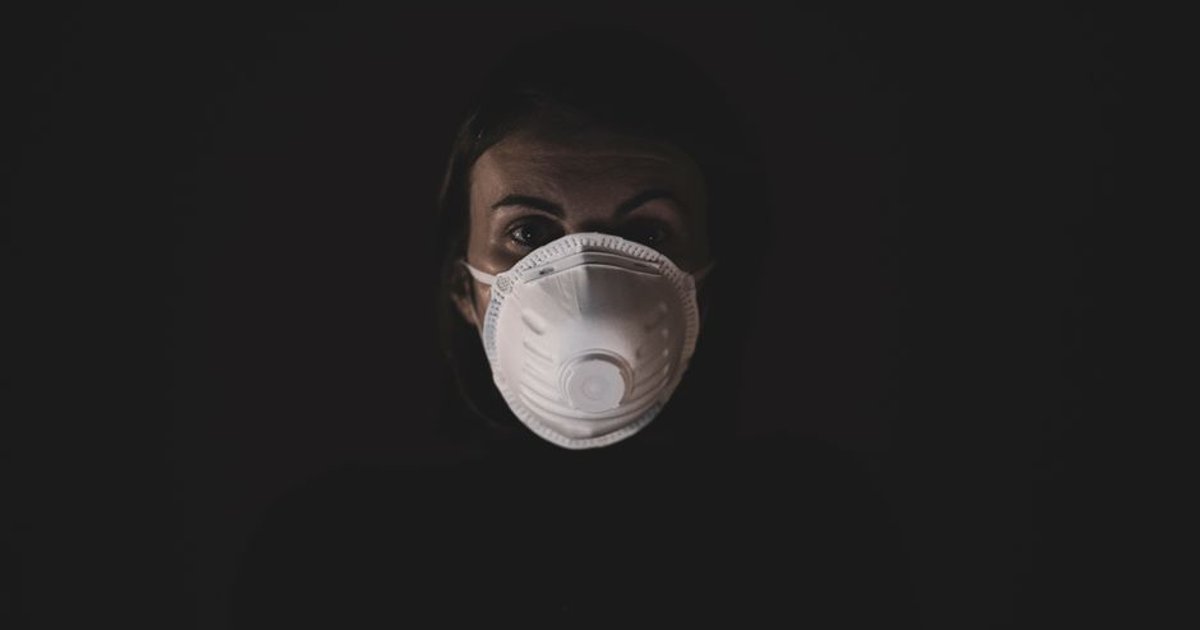
The haze is now a recurrent problem, often with little warning and fluctuating intensity. The real risk comes from fine particulate matter, especially PM2.5, which is small enough to penetrate deeply into the lungs (NEA FAQ). Most surgical masks offer minimal protection against these particles; only a properly fitted N95 mask provides significant filtration.
However, for a quick HDB-to-MRT walk, a brief trip to the market, or other short outdoor exposures, a surgical mask may only offer comfort, not real protection. The best first line of defense is reducing the need for outdoor exposure in the first place, this is where good household planning, delegation, and technology come into play.
2. Helper Management During the Haze: Beyond Mask Distribution
For those looking to find helper in Singapore, haze is a test of both employer responsibility and the practicality of daily household routines. Government guidelines require employers to provide suitable N95 or equivalent masks to helpers performing prolonged outdoor work in unhealthy air conditions (MOM haze guidelines). But handing out a mask is not enough. Employers need to:
- Monitor NEA’s real-time PSI and PM2.5 readings (official haze info);
- Consolidate or postpone errands, using delivery services when cost-effective; and
- Train helpers in correct mask fitting, storage, and know when to seek medical advice if discomfort arises.
3. Insurance and Financial Protections Are Non-Negotiable
Responsible employers budget for appropriate maid insurance Singapore, household insurance Singapore, or even fire insurance Singapore. Policies must be reviewed, not just for hospitalisation, but for outpatient care, accident cover, and exclusions linked to pre-existing conditions or haze-related events (MOM Employer Guide). Cheap policies may leave households underinsured at the worst moment, while over-insuring can be costly.
Smart households plan their maid in Singapore hiring not on price alone, but on total fit, skills, and protection for all.
4. Customising Strategies for Different Homes and Needs
Households in condominiums may have access to enclosed walkways and easier delivery access, while HDB residents might need to manage more open-air commutes and cleaning tasks. Private housing often features larger grounds but also more outdoor maintenance, requiring extra planning for both helpers and family members. Each scenario presents unique challenges and savings opportunities, whether that’s using internal corridors, scheduling tasks by air-quality forecasts, or leveraging community resources.
State and Recommendations
- Check NEA readings before every outdoor task, not just once daily.
- Prioritise reducing exposure. Avoid unnecessary trips and consolidate errands for everyone, especially helpers, children, and elderly relatives.
- For helpers performing prolonged outdoor work in unhealthy or hazardous conditions (PSI above 200), provide a properly fitted N95 mask or equivalent. Reorganise duties when possible (MOM haze guidance).
- Do not treat a surgical mask or a poorly fitted N95 as adequate protection for PM2.5.
- Review and clarify job descriptions if haze conditions change, so helpers are not exposed needlessly or asked to make difficult health trade-offs.
- Ensure helpers’ medical needs and insurance are updated, especially for pre-existing conditions.
- Families with children should keep them indoors during unhealthy air, as N95 masks are not suitable for young children (MOH haze advice).
- Budget for maid insurance Singapore and review household policies before a crisis occurs. Read all exclusions and limits.
- Use digital solutions and delivery services to save money on household expenses Singapore-style, reducing repeated outdoor exposure and transport costs.
- Prepare a clear household haze plan that details who makes decisions, where masks are kept, and when duties change.
Comparison Table: What Really Matters in Helper Hiring, Household Protection, and Expense Management
| Dimension | Smart, Strategic Approach | Short-sighted Approach |
|---|---|---|
| Finding the right helper | Focuses on skills, attitude, fit for household and haze readiness | Chooses based on immediate availability |
| Live-in vs Part-time | Assesses needs, flexibility, and haze contingency | Defaults to habit or cost without review |
| First-time helper vs Experienced | Considers complexity of care, haze protocols, training needs | Picks based on salary alone |
| Skills vs Attitude | Values willingness to adapt, communicate, and learn haze routines | Relies solely on a resume checklist |
| Cultural Fit vs Resume Fit | Assesses compatibility with routines and haze adaptations | Prioritises paper qualifications only |
| Infant Care vs Elder Care vs General Household Care | Matches helper to specific vulnerabilities (children, seniors, medical needs) | Assumes “any helper will do” |
| Agency vs Direct Hire | Uses agency for support, training, and haze management info | Chooses quickest or cheapest path regardless of backup |
| Premium Agency vs Standard Agency | Spends more upfront for better fit, ongoing support, and compliance | Minimises initial outlay, risking mismatch or disputes |
| Higher Salary vs Better Overall Fit | Pays strategically for skills and customisation (haze, care routines) | Focuses only on monthly cost |
| Short-term Trial Mindset vs Long-term Relationship | Builds trust, plans for recurring haze or health events | Rotates through helpers, losing continuity |
| Employer Responsibilities vs Helper Expectations | Clarifies duties, protections, and haze plans in writing | Leaves key details vague |
| Comprehensive Insurance vs Cheapest Insurance | Balances medical, accident, and haze needs | Risks gaps in coverage |
| Over-insuring vs Under-insuring | Right-sizes policies to household structure and risk | Pays too much or is exposed unwittingly |
| Household Convenience vs Household Cost | Invests in digital solutions and smart scheduling to save money | Sticks to inefficient old routines |
| Saving Money vs Cutting Corners | Optimises for value, not just price; uses official advice | Reduces essential protections or skips best practices |
Segmentation: Tailored Approaches for Different Home Types
HDB / Public Housing
Typically, helpers and families in HDB flats face more outdoor exposure during market runs, school drop-offs, or corridor cleaning. Opportunities include scheduling errands during low-PSI hours and leveraging community delivery networks. Challenges: less control over building ventilation, need for clear haze plans, and risk of underestimating cumulative exposure (NEA).
Condominiums
Condos offer greater protection against haze with internal corridors, air-conditioned common areas, and easier access to delivery services. Families should ensure helpers are trained to use shared facilities safely and masks are provided for any outdoor cleaning. Opportunities include centralised air filtration and group negotiation for bulk mask or insurance purchases.
Private Housing
Landed homes often involve more extensive outdoor areas to maintain. This means helpers may need more frequent breaks, higher-quality protective equipment, or automated solutions (robotic mowers, air purifiers). Opportunities: maximum flexibility to reorganise routines and storage space for masks and emergency supplies. Challenge: higher financial responsibility for both insurance and medical costs.
Comparison and Recommendations by Home Type
- HDB: Focus on practical haze planning, rapid communication with helpers, community solutions to save money on household expenses Singapore style.
- Condominium: Use your infrastructure advantages for safer indoor routines and group purchasing power for PPE and insurance.
- Private Housing: Customise helper duties, invest in automation or remote services, and don’t skimp on high-limit maid insurance Singapore or household insurance Singapore.
“In today’s Singapore, a resilient household is not just about hiring the next available domestic helper Singapore offers. It is about designing a system of care, risk protection, and practical adaptation that keeps everyone, employer, helper, children, and elderly, safe and thriving, haze or not.”
Conclusion: Strategic Readiness Is the Best Investment
The haze is a recurring reality that puts traditional household routines and hiring patterns to the test. The most successful homes treat helper selection, job scope, mask usage, and insurance as integral parts of a resilient household plan, not isolated tick-boxes.
Going forward, expect agencies and smart households to deepen their focus on fit, not only for “maid in Singapore” hiring and cost, but for skills, safety, and the ability to adapt as conditions change. Government guidelines will likely evolve, and so will expectations on how to hire a maid in Singapore. Staying current with official advisories and regularly reviewing household insurance Singapore options are crucial.
The winners will be those who balance convenience, cost, and protection without cutting corners, using every haze season as an opportunity to build a safer, smarter, and more supportive home.
This piece was prompted by an ongoing conversation in r/singapore, where readers were working through this exact question. Read the original discussion: The haze is back: Do you need an N95 mask? What about a surgical mask?.