
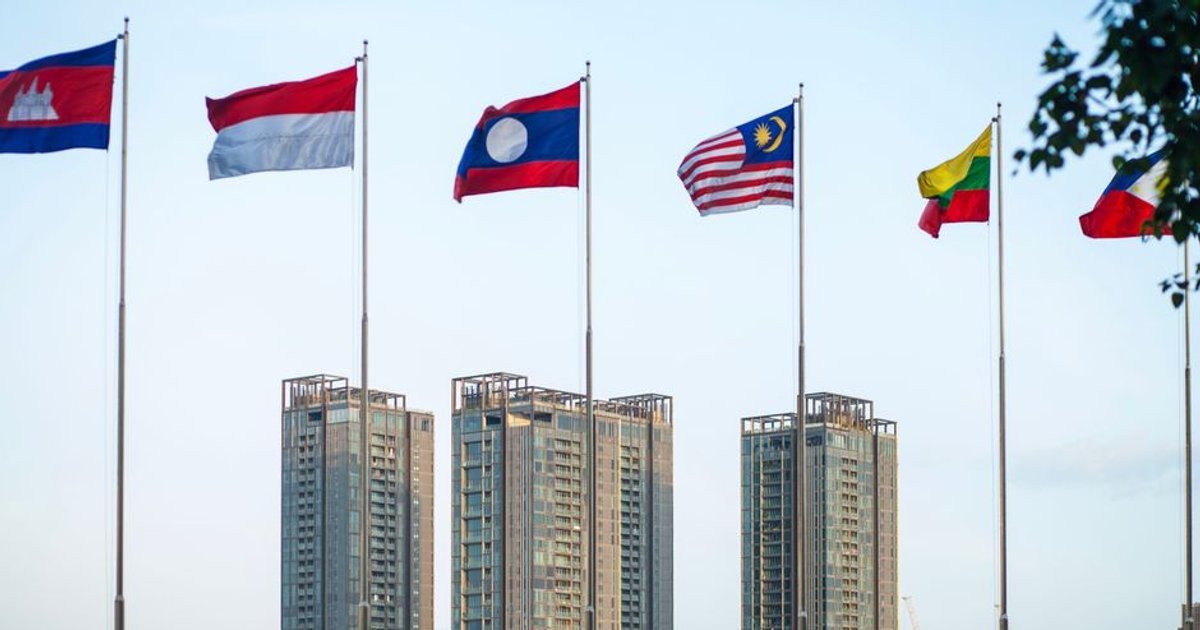
GoodHelp Singapore: How To Find Trusted Domestic Helpers From The Philippines, Indonesia, Myanmar And Cambodia
6 Oct 2026
Unveiling GoodHelp: The Digital Evolution of Domestic Helper Services in Singapore
For years, households across Singapore have relied on intermediaries to navigate the complex process of engaging domestic helpers. From traditional maid agencies lining suburban malls to informal word-of-mouth referrals, the system has, until recently, remained fragmented and labor-intensive. Now, in an era where digital disruption touches every corner of service provision, GoodHelp has emerged as a household-helper inquiry platform connecting Singaporean families with candidates from the Philippines, Indonesia, Myanmar, Cambodia, and beyond. While some may mistakenly conflate GoodHelp with a volunteer or charitable club, the reality is more nuanced, reflecting deep shifts in how essential domestic services are sourced, delivered, and safeguarded in a densely regulated market.
Mapping a Shifting Landscape: From Tradition to Tech-Led Convenience
Tradition Under Pressure. The legacy approach to finding domestic support in Singapore was built on physical agencies, personal introductions, and opaque pricing models, with families often investing weeks, if not months, before securing help. Regulatory vigilance from the Ministry of Manpower, high stakes surrounding legal compliance, and the intricacies of cross-border recruitment meant that both employers and helpers navigated uncertainty and risk.
Tech-Enabled Intermediation. Platforms like GoodHelp are rewriting this script by digitizing the journey from initial inquiry to onboarding. Their public-facing inquiry form allows households to specify their needs, preferred helper origin, timeline, and contact details, promising end-to-end support, transparent insurance packages, and logistical assistance. This is not volunteering; it is a data-rich, managed service targeting legal employment and mutual safety.
What GoodHelp Is, and Is Not: Busting the Volunteer Myth
No Volunteer Club. Despite speculation in forums and overlapping names in other geographies, GoodHelp’s Singapore-focused operations are not affiliated with any documented “volunteer club.” There are no public processes for volunteering, and no verified structure for charitable contributions or unpaid engagement in its ecosystem. The company’s value proposition centers strictly on facilitating legal, insured, and well-matched domestic placements.
Distinct from Charitable Platforms. This differentiation is crucial. National volunteering in Singapore is coordinated through dedicated channels such as Volunteer.gov.sg. Mistaking GoodHelp for a volunteer bureau risks confusion and may divert well-meaning individuals from platforms that are enabled, licensed, and audited for volunteering impact. In fact, unaffiliated foreign sites bearing the GoodHelp name, such as organizations in South Africa or the UK, further muddy the waters and require careful navigation before assumptions are drawn.
More Like This




Dissecting GoodHelp’s Customer Journey: Data, Segmentation, and Trust
Structured Inquiry Process. GoodHelp’s inquiry form is architected to capture critical segmentation data at the point of entry: the household’s service needs, preferred helper nationality, urgency, and contact details. By organizing the process around both “what” (service specifications) and “when” (timing, from this week to three months out), the platform demonstrates a clear intention to streamline lead qualification and enhance responsiveness.
Insured Onboarding as a Conversion Lever. The promise of an “attractive two-year insurance package,” coupled with coverage for handover costs and logistics, addresses one of the greatest anxieties for employers, what happens if things go wrong. This approach, rare in the traditional agency model, reframes helper placement as a managed service where risk mitigation is central, not peripheral.
WhatsApp Integration for Rapid Response. By collecting WhatsApp numbers, GoodHelp positions itself for conversational, real-time follow-up, leveraging a communication channel that is both familiar and immediate to Singaporean families. This enables faster matching, better documentation sharing, and a personal touch despite the digital interface.
Governing for Safety: The Regulatory Imperative
Due Diligence and Employer Obligations. Singapore’s Ministry of Manpower imposes clear requirements on households that employ foreign domestic workers. GoodHelp’s inquiry process, while user-friendly, still requires households to verify a maze of details: the legal entity’s credentials, all applicable fees, precise insurance terms, helper backgrounds, and the protocols for dispute resolution or replacement. The stakes are not just financial; personal data handling and WhatsApp privacy also demand scrutiny in an era of rising cyber risk.
Alignment With National Policy. Only licensed entities can facilitate lawful placements, and insurance, levy, and permitted duty guidelines are strictly policed. Households are advised to secure, in writing, granular details about every cost, coverage, and contingency before committing. GoodHelp’s design encourages proactive questioning, but ultimate responsibility lies with the employer.
Comparing Perspectives: Helper Platforms Versus Volunteer Clubs
Apples and Oranges: Service Platform vs. Social Mission. A household-helper inquiry platform such as GoodHelp is, by definition, a commercial service designed to broker employment relationships within legal and regulated frameworks. The core exchange is contractual and compensated, with robust support for compliance, documentation, and insurance.
Volunteer Networks Serve a Different Need. In contrast, volunteer platforms, nationally coordinated at resources like Volunteer.gov.sg, mobilize individuals for charitable, social, or community endeavors. These are not paid roles and typically require vetting, orientation, and clear boundaries to ensure safety and impact. Suggesting that users can “volunteer” via GoodHelp in Singapore is, at best, a misunderstanding and, at worst, misinformation.
Why the Difference Matters. For policy-makers, households, and helpers alike, clarity around these distinctions is not academic. Blurring the line between paid domestic work and volunteering risks compliance breaches, worker exploitation, and reputational harm for all parties.
Emerging Patterns: Data-Driven Insights and Sector Innovation
Country-of-Origin Segmentation. GoodHelp’s filtering by helper nationality is not accidental; it reflects cultural, linguistic, and practical preferences among Singaporean employers. Matching by origin enables better communication, familiar foodways, and more comfortable home dynamics.
Urgency Segmentation as Revenue Strategy. By allowing employers to specify timing, GoodHelp surfaces an innovative pathway for lead scoring and dynamic pricing. Urgent placements may command a premium, while longer lead times can be matched with candidates still undergoing training or processing.
Partnership Potential. Handover logistics, transport, accommodation, food, present adjacent opportunities for ecosystem partners in travel, hospitality, insurance, and training fields. Insurance, especially, has become a make-or-break factor; competitive platforms will need to keep refining policy scope, exclusions, and claims support to build trust.
Missed Data: The Need for Transparency. Notably, GoodHelp does not publicly disclose figures on active helper volume, placement success, or customer satisfaction. This is a gap. As the market matures and competition intensifies, platforms that track and share such benchmarks will command greater loyalty and drive sustainable growth.
Risks and Responsibilities: What Employers Must Know
Don’t Click and Commit Blindly. Households should never treat online inquiry platforms as turn-key solutions. The checklist for due diligence is substantial: verify licensing status, demand a fee breakdown, confirm insurance scope, scrutinize employment history and medical records, and clarify all logistical arrangements in writing.
Personal Data Protection. WhatsApp numbers, background documents, and employment records are sensitive assets. Employers must ensure that GoodHelp’s privacy and data handling standards are robust, compliant, and transparent.
Dispute and Replacement Policies. Even with comprehensive onboarding, mismatches and disputes do occur. Households should secure a clear, written explanation of the replacement, refund, and escalation process, and insist that roles and responsibilities are documented.
The future of household-helper services in Singapore will be won by those who combine compliance-first rigor with digital agility, where risk is managed proactively, employer and helper dignity are respected, and transparency replaces tradition’s opacity.
Forward-Looking Insights: Where Does GoodHelp Go From Here?
Opportunities for Commercial Innovation. With its structured inquiry, insurance integration, and agility in communication, GoodHelp signals where the sector is heading: toward managed, tech-driven, and segmented services that put the user journey at the center. As the bar for compliance rises and customer expectations sharpen, the platforms that succeed will be those embracing real-time feedback, data transparency, and robust cross-sector partnerships.
Limits to Impact Without Volunteer Integration. For organizations seeking to blend commercial and social missions, the absence of a formal volunteer or charitable dimension in GoodHelp’s Singapore operation is conspicuous. If the company hopes to build social capital and broader impact, future pivots could explore structured volunteer support, skills training, or partnerships with not-for-profits, but only with public clarity and proper governance.
Market Share and Expansion. Without reliable figures on placement volume, satisfaction, or cost, definitive judgments are premature. The sector would benefit if GoodHelp and its peers adopted open reporting standards, enabling households and helpers alike to make more informed choices.
Conclusion: The Strategic Significance of Clarity and Integrity
In a market where household security, helper welfare, and regulatory compliance intersect, the bar for accountability is high. GoodHelp’s digital-first, managed approach represents a welcome departure from the slow, opaque legacy of agency-based placement, but it is not, and does not advertise itself as, a volunteer or charitable platform. Employers must engage with vigilance, demand transparency, and verify legal compliance at every step.
For sector leaders, the lesson is clear: future dominance will accrue to those who blend digital speed with compliance-first trust and a willingness to publish metrics that matter. Social impact cannot be assumed; it must be built, documented, and earned.
For anyone seeking to serve rather than employ, Singapore’s official volunteer matching engine remains Volunteer.gov.sg. For those seeking household help, the responsibility is to engage platforms like GoodHelp as informed, diligent partners, never blindly or on assumption.
The future of domestic services in Singapore is being written now, in data, regulation, and user experience. Only platforms that match transparency with innovation will retain the trust of the households and helpers they serve.